
Gate Setup: What Fence Contractors Required to Know
Gate installment appears basic till you're basing on a gusty website with a hefty framework, a slightly manipulated opening, and a client asking why the lock "does not capture effectively any longer." After a few years installing gateways for fencing contractors, you discover the same truth over and over: gates are where small describing develop into big outcomes. The fence line can look perfect, however if the gate geometry, hardware, and set-out are off by a little, the whole system really feels sloppy.
This overview is composed for fence contractors that mount, service, or oversee entrance work, whether you're a Fence contractor, Fencing contractor, or a Fence installer handling staffs. I'll lean into the practical decisions you make on site, including the truths of Fence company Melbourne and Fence company Melbourne jobs where conditions can be demanding.
Gates belong to the fencing system, not a different project
A lot of gate problems start long before the first hinge takes place. Clients frequently deal with eviction as a standalone thing, however a gateway is an energetic moving framework affixed to a fence line that may be supported, blog post spacing, and dirt problems all contribute to the final fit.
If you're mounting a gliding gate or a swing entrance, the bordering fencing influences just how the opening holds positioning. If the posts clear up in different ways on one side, the gate ends up being a "moving target." Despite having quality steel, eviction will struggle if the frame is battling the fence line.
One work embeds my mind. Eviction looked great throughout set up, latch snapped confidently, and everyone mored than happy. 2 months later on, the latch quit aligning. The offender had not been the lock itself, it was a fence post that had shifted somewhat after rain and the driveway base compacted under website traffic. Eviction was great, the opening geometry had not been. That's when the equipment options and installment approach matter, due to the fact that they can either tolerate little activity or enhance it.
Start with the appropriate measurements, then gauge once more for the real world
The most costly mistake in gate installation is developing to a set of numbers that just feed on paper.
You wish to confirm, in the physical opening, the following:
- The clear opening width and height at the factors where the gate will really swing with or slide.
- The message to post geometry, not simply the nominal opening.
- Any slope or uneven driveway surfaces that will certainly change just how the gate gets rid of the ground.
- Where services are likely situated, specifically for power gateways and intercom wiring.
Even in straightforward installments, you'll generally have an "inch below, inch there" scenario when the site is irregular or the old fence is not perfectly square. On a lot of domestic job, that could imply remodeling eviction frame or changing hinge positions somewhat. On larger properties or business sites, that might suggest upgrading supporting and hardware placing points.
A practical method is to take measurements at more than one elevation. For a swing gateway, measure near the leading, center, and base. If the opening is wider at the top, you need to make a decision whether to correct the fencing opening, build the gate with a making up account, or pick a hardware plan that permits adjustment.
Hardware selection is where you earn your money
Clients typically focus on eviction style, slat spacing, or infill style. They'll typically desire a certain appearance, and you need to appreciate that. But on feature, equipment makes or damages the install.
The hinge and latch system requires to deal with:
For swing gateways, pivot hardware is doing a lot more than "holding the door." It has to stand up to torque and maintain the gate aligned through repeated use. For larger gateways, you commonly plan for hinges sized to handle the tons, and you put them so eviction does not turn as it opens up and closes.
For gliding gateways, the story is different. Track placement becomes whatever, and particles can transform a smooth-running system into a problem within a period. Despite having an excellent track, if the foundation or track installing is off, you'll see uneven wear and irregular entrance movement.
Whether you're helping a fencing contractor or straight as a Fence installer Melbourne design team, you find out promptly: equipment does not "take care of" a negative set-out. Hardware can tolerate small problems, however it can't deal with major misalignment without becoming a recurring service headache.
Post setup and supporting: the component clients never see
Many fence contractors do terrific gateway job as soon as the gate framework is developed. The failing point is frequently the blog posts that the joints and lock mount to. In a gate setup, blog posts are structural components. They don't just hold a framework, they resist dynamic forces.
Dynamic forces matter. An entrance doesn't experience simply fixed weight, it gets snagged, pressed, pulled, and in some cases slammed. Even mild everyday use creates duplicated filling. In gusty places, the gate can imitate a sail.
If you're setting posts for gateways, you need to believe in regards to stability and alignment. That suggests:
- Post embedment that matches soil problems, and regional technique for your region
- Straightness, not just "adequate"
- Bracing and positioning checks while concrete cures
- Planning for water drainage, since water relaxing blog post bases can increase motion over time
In Melbourne and comparable climates, wet-dry cycles can challenge structures. I've seen posts creep after duplicated saturated conditions, particularly where water drainage is inadequate. If you're setting up a gate for a Fence company Melbourne task near a driveway where water runs towards the joint side, it's worth checking the water drainage course prior to you secure hardware.
Clearance rules: ground, driveway, and the "scrape line"
A gate that scratches is generally not a "gateway problem." It's a clearance and placement problem.
Swing gateways need a clearance method based on the expected ground level with time. Crushed rock courses work out. Driveways can have a slight slope. Bordering rocks can shift. Also if your first clearance looks correct, eviction may drop slightly as the surrounding blog posts settle.
I typically aim for a useful void that allows activity without apparent daytime issues. For many household entrances, a little clearance is great, yet it depends heavily on eviction height, infill kind, and the chance of particles buildup. If your customer has animals that run under the gate or youngsters who press it, you also need to consider just how eviction behaves as it swings and returns to rest.
A typical situation is a gate installed with a certain clearance on "mount day," after that the owner later includes landscape design compost or shuffles dirt near the base. Within weeks the gate drags. The remedy is commonly straightforward but have to be intended: leave a little a lot more clearance and ensure the bottom rail design does not catch debris.
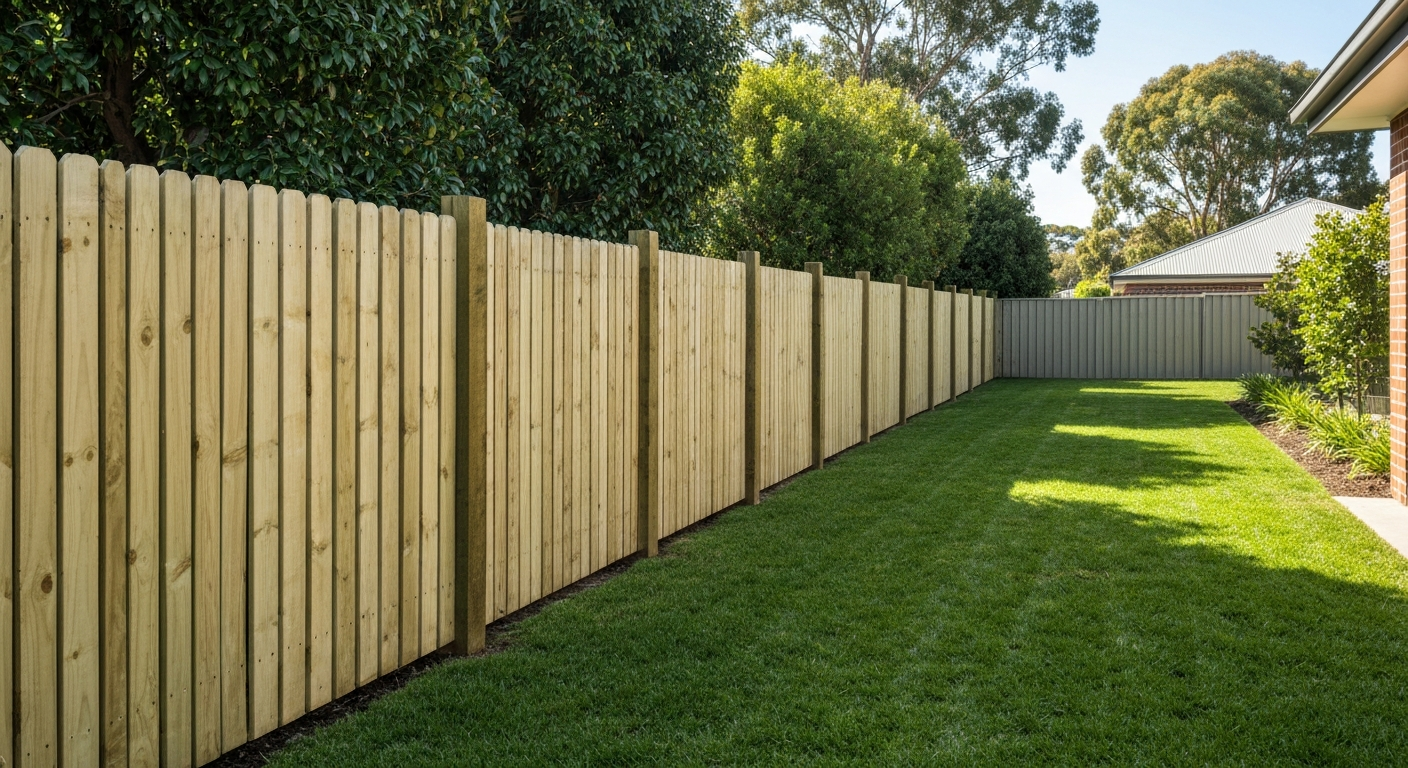
Fitting the framework: square issues, yet so does stiffness
When you develop a gateway framework, you're making a structure that needs to remain square via use. That sounds obvious, yet it's very easy to neglect rigidity. A tall lumber entrance frame can act like a lever. A steel gateway with the incorrect section size can still turn under latch tension.
The hinge side is particularly vital. If the joint side rail is also slightly out of square, eviction may shut yet will not straighten easily with the latch. Customers explain this as "it always requires adjusting," however what they suggest is that eviction is battling itself every single time it closes.
On site, you'll occasionally be able to remedy tiny geometry problems by readjusting joint settings or latch strike plate area. Yet you should decide very early whether the gate requires revamp versus change. If the gate is built with a considerable imbalance, requiring it to shut with hardware adjustment can place stress and anxieties right into the hinges and shorten their life.
If you set up frequently, you'll create an impulse for when "modification" is a quick fix and when it's an indication the structure is off. That instinct is what separates an excellent Fence installer from a fantastic one.
Wind, child safety and security, and the truth of how individuals make use of gates
Safety requirements and client expectations overlap, but they don't always match hardware limitations.
Swing gates that open onto pathways require to be prepared for hand clearance and squeeze factors. If eviction is for family members, you need to consider how the latch sits and whether fingers can be trapped.
Wind efficiency is the various other reality. A light gateway with ornamental infill could look penalty, yet wind tons can press it. When the lock does not hold, the gate bounces, and bounce causes put on. A robust joint setup and suitable lock geometry decrease the bounce effect.
If you're setting up for industrial properties or higher website traffic sites, eviction is utilized more frequently and extra about. In those cases, select hardware designed for repeat cycling, not simply "looks precisely an example."
Step-by-step on fit and alignment (the part you do prior to final tightening up)
This is the workflow that conserves you from callbacks. I'll keep it as a clear procedure, yet in prose and one brief checklist.
An excellent sequence is to position eviction in position, verify swing path clearance, and check alignment with the fencing line. Then you change the frame and hardware placements in a regulated order: joint alignment first, after that lock strike, after that final tightening. If you tighten every little thing early, you lose change versatility later.
Here's the fast pre-tension check I suggest for lots of Fence contractor groups:
- Hang eviction momentarily and confirm clearance at the hinge-side and latch-side edges
- Check the lock placement with the gate totally shut, not midway
- Verify the swing arc removes messages, wall edges, and any kind of ground bordering
- Adjust joint placing prior to last tightening, particularly for much heavier entrances
- Confirm the gate returns to its relaxing position and doesn't "float" open
That short list seems simple, but it's where most concerns obtain prevented. It likewise decreases the moment you spend loosening hardware later, which is where threads get damaged and positioning goes backwards.
Common gateway installment blunders I maintain seeing
Even experienced fencing contractors face these, generally because of time pressure or a hurried set-out.
One blunder is neglecting message settlement threat. If a gateway is mounted on messages that aren't well set or correctly braced, the latch positioning will certainly drift as the structure moves. The fix is not altering the lock, it's stabilising the posts and bracing eviction opening.
Another is selecting hardware without taking into consideration gateway mass and leverage. A lock can look correct, yet if it's undersized for eviction weight, it will put on fast and stop working under recurring load. The result is a latch that really feels "soft" or doesn't catch consistently.
A 3rd blunder is falling short to prepare for drainage and debris. Gates mounted with very little bottom clearance in locations with compost, ground cover, or driveway grit usually end up being complaints within a season. The fencing might still look good, yet eviction becomes hard to operate.
If you mount in Melbourne, you'll also notice how condensation and wet weather condition can increase corrosion when the equipment isn't treated or picked for exposure. You do not require "costs" everything, but you do need suitable material option, correct fit-up, and good layer compatibility.
Material and finish choices: match the hardware to the environment
Clients inquire about eviction material: timber, steel, composite, or a mix. Each jobs, yet the equipment should match.
Timber gates relocate. They expand and agreement with moisture, and they can rack if the structure isn't rigid enough. Metal gates can be very secure, however rust becomes a bigger variable if coatings are mismatched or harmed during installation.
For Melbourne websites, think of seaside distance, protected or subjected wind, and how often the gate area obtains washed. If your gateway equipment is economical or improperly ended up, you'll see early issues like surface rust around hinge pins or latch strikes.
A useful shop suggestion for fence installer groups is to verify that any type of bolts, pivot components, and lock components work with eviction frame material and finishing system. If you incorporate dissimilar steels without care, you can obtain increased rust at get in touch with points.
Adjusting after setup: what's acceptable and what is n'thtmlplcehlder 150end.
Not every concern can be prevented at set up time. Often sites shift, clients knock gateways, landscape design alters the ground surface, or an unanticipated car impact happens.
But not every modification ought to come to be the "new normal."
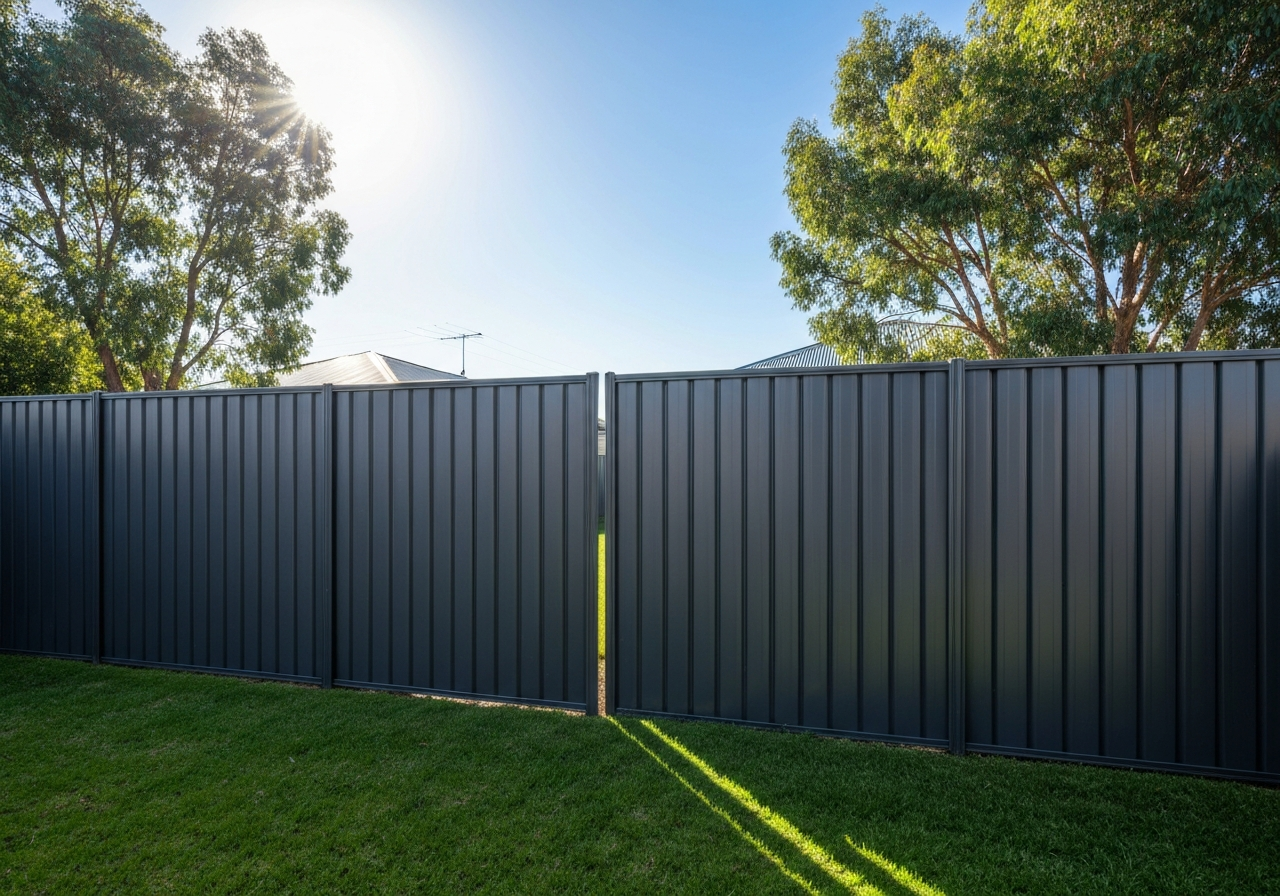
Minor change for latch placement is common, particularly in the very first couple of months as points work out. If a client reports that the lock "needs a push," it may be a little strike change, joint tightening, or a clearance correction.
If eviction begins to droop or drag after a brief time, don't simply maintain changing. Drooping typically suggests hinge lots is higher than expected, articles are relocating, or the framework is flexing beyond what the equipment can endure. In those instances, you'll likely need to revisit structure and structural components. That can seem like additional work, yet it safeguards the client from duplicated service visits.
An excellent fence contractor has 2 mindsets: resolve the present issue and identify why it occurred. Changing a lock without checking out the joint side alignment typically leads to the very same issue again.
Service and upkeep: set expectations with clients
You can install an entrance magnificently and still get issues if the upkeep expectations are unclear. An entrance is a relocating product. Even tough equipment requires easy care.
What I recommend telling clients depends upon the gate kind, yet the concept remains the same. If they utilize an entrance as an assistance, it will wear faster. If they hose down the latch location with high stress and the gate isn't cleaned up, dust can build up. If they don't inspect alignment seasonally, tiny problems develop into larger ones.
For fencing contractors and Fence company Melbourne teams, a short, sincere maintenance discussion decreases misunderstandings. People are more probable to care for what they understand.
When a gateway work obtains challenging: side situations you should intend for
Not every gate install is a straight repeat. The awkward work are where you need a calm procedure and excellent judgment.
Consider these common edge instances:
A driveway or path that has an obvious incline can make the swing clearance uncertain. If the gate base is alongside the ground at mount time however the ground modifications, you'll see dragging. In many cases, shimming joint placements or using a clearance layout that accounts for the slope is the best route.
A gateway installed right into an opening with uneven post spacing may need a slightly various framework arrangement. If the customer expects eviction to "fit exactly" without dealing with the fencing opening, you'll need to take care of positioning with equipment adjustment and mindful hinge placement. However if the opening is far out of square, requiring it through hardware adjustments can result in hinge stress and early failure.
If you're installing a gateway for a Fence company Melbourne site with sandy or responsive soils, anticipate some motion risk. That influences article embedment deepness, supporting selections, and exactly how you plan for change after cure.
Pricing and scheduling: why quick can cost even more later
Gate installation commonly takes longer than clients expect, and it's not due to the fact that gate job is "slow." It's due to the fact that entrance setup is specific. You're lining up equipment, validating clearances, and ensuring structural stability.
If you under-time a gateway job, you tend to avoid checks or rush concrete placement, and you spend for it later on with callbacks. Fence contractors that manage routines well safeguard both the client experience and the crew's quality.
A sensible plan includes time for setting and validating post alignment, after that time for entrance fit and change. If your subcontractor is developing structures off-site, you likewise require time for website verification, since the real opening is seldom similar to the drawing.
If you're stabilizing several work as a fencing contractor, deal with gate installments as "high influence, high precision." They don't require even more intricacy, they require much more care.
Working with the appropriate roles on site
Fence specialists rarely work in a vacuum. You may collaborate with a building contractor, landscaper, electrician, or driveway contractor. That sychronisation issues due to the fact that gateways attach to the world around them.
If someone puts a driveway after the gate is bought, ground clearances can change and eviction can instantly drag. If landscaping gets mounted prior to eviction is tuned, mulch and edging can obstruct motion. If power channels are set up late, automated entrance equipment positioning might require correction.
A functional way to handle this is to confirm the order of professions early. If you're planning an automated gateway, examine what wiring courses will be available before settling hardware placements. It's simpler to reroute an avenue during rough-in than after the structure is set.
A fast note on names you'll see in the trade
On work and proposals, customers and distributors may use different terms, but the obligation is the same. Whether you're listed as a Fence contractor, a fencing contractor, a Fence company, or a Fence installer, the gate is still the part that moves and puts on. Your online reputation comes from how eviction acts after installation, not how it looks in the very first week.
If you run a team that does fencing contractor Melbourne style work, the exact same concept applies throughout residential areas: obtain the set-out right, choose equipment that matches the tons and environment, and tighten up every little thing with an eye on how eviction will certainly work out over time.
Final ideas you can act upon following week
If you want fewer entrance call-backs and much better client confidence, concentrate on the fundamentals that drive outcomes: article security, positioning accuracy, hardware viability, and clearance preparation. Those points feel "boring" while you're doing them, but they are the difference between a gateway that functions smoothly for many years and one that quietly becomes a nuisance.
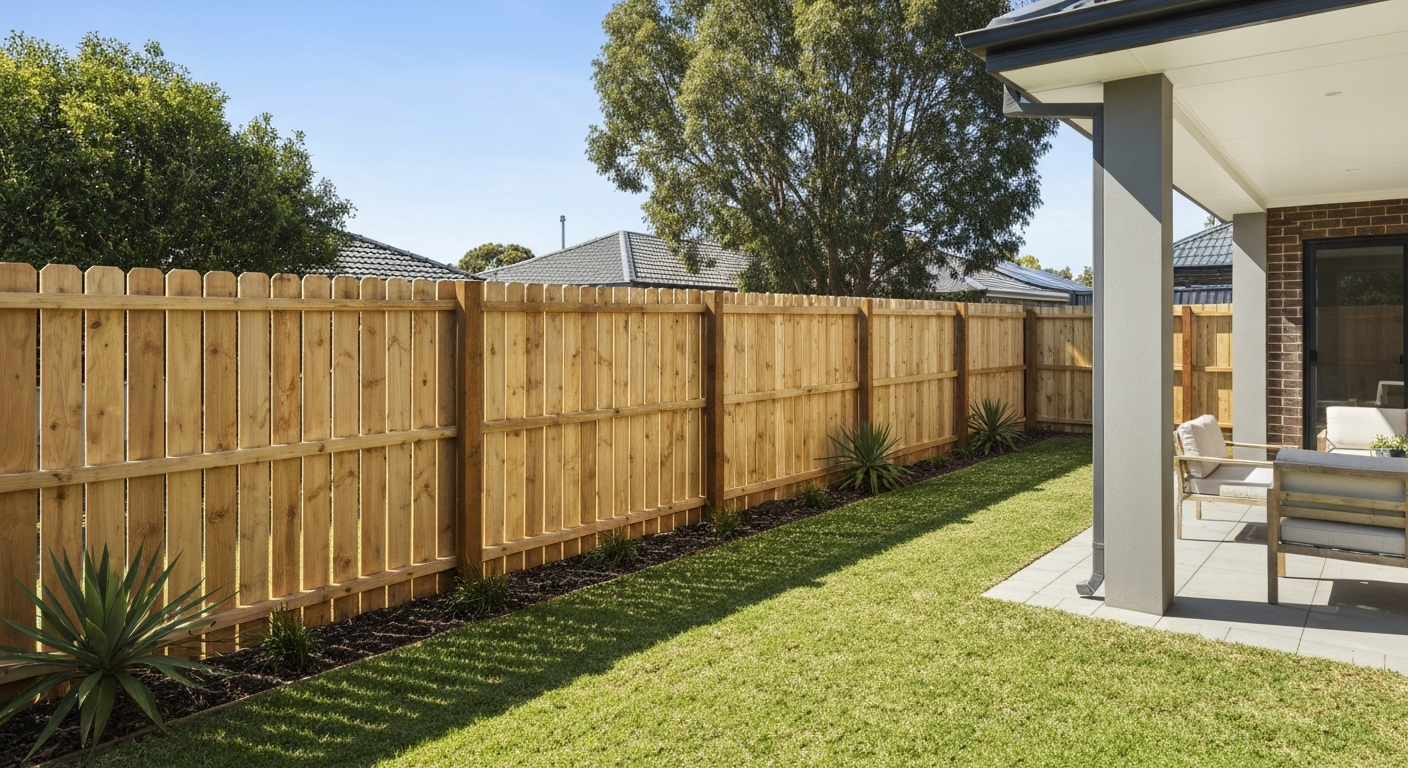
The ideal fence installers treat gate setup like finishing work, also if it's a little part of the whole fence project. You can deliver strong layout and tidy lines, however function depends on information. And that's where your staff's craft shows, whenever somebody opens up and closes eviction without thinking of it.
If you 'd like, tell me the common entrance types you set up (swing, moving, automated), your common materials, and whether you're functioning primarily domestic or business. I can tailor a sensible "jobsite playbook" for your process, including usual adjustment circumstances and how to prevent them.