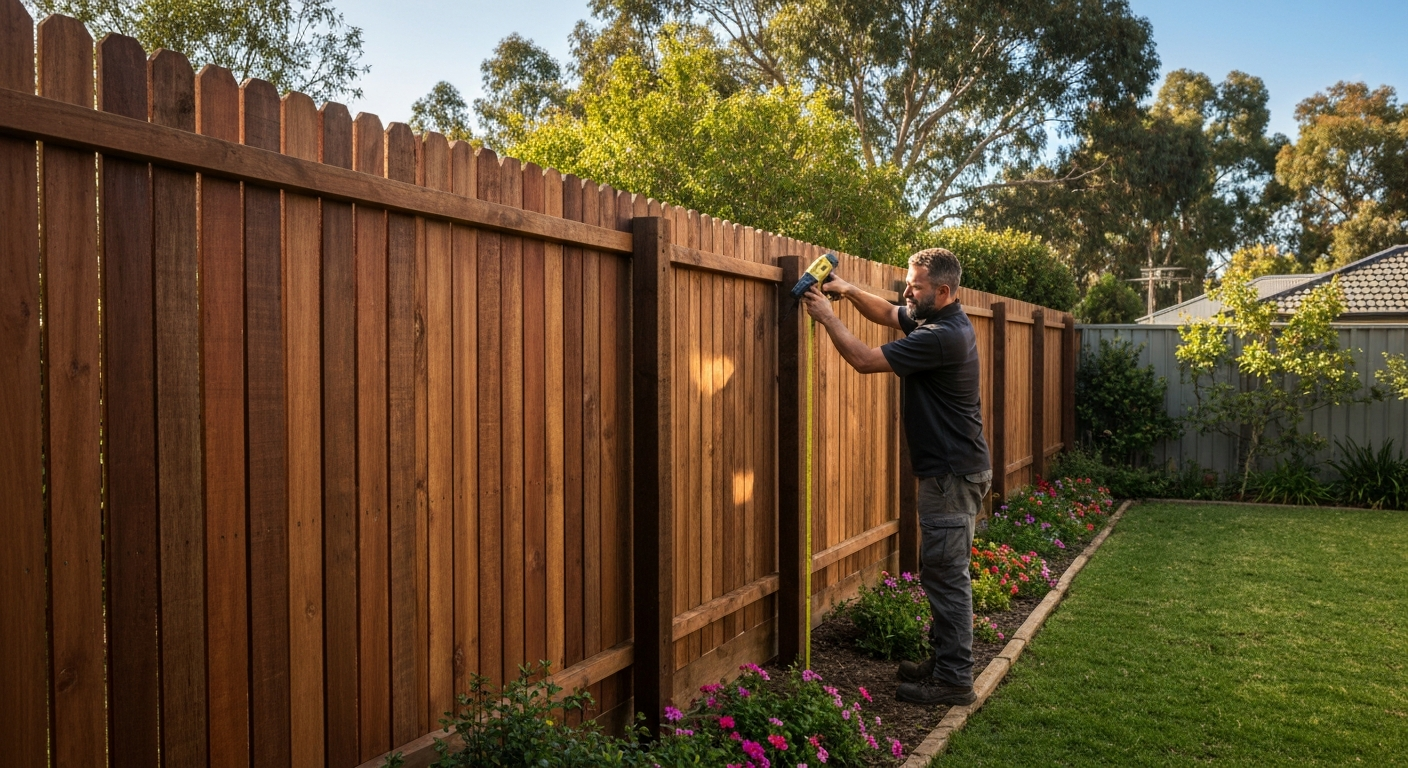
Fencing for Roof Decks and Raised Locations: Unique Factors To Consider
Rooftop decks and other elevated areas look basic from a range, right up until you stand on the completed surface area and recognize how unforgiving the physics are. A fence that functions fine at ground degree can feel flimsy on a roofing system since your perception modifications, the wind acts in different ways, and your maintenance routine obtains more difficult. The stakes increase quick when the decrease is more than an informal autumn. If you are working with fencing contractors or collaborating with a fencing company, you desire greater than "something tall enough." You want a fencing that remains rigid, drains water appropriately, resists deterioration, and fulfills the local policies that regulate guardrails.
This is where the very best fencing contractor discussions start. Not snappy photos, however with the realities of framework, code, lots, and exactly how the fence links to the building.
Roof facts that transform everything
A rooftop deck is not simply "a deck that happens to be greater." The roof surface area shifts and flexes with temperature swings, wind loading, and the weight of people. Even a strong roofing has motion. If the fence is connected in such a way that neglects that activity, you can end up with loose articles, wobbly rails, or bolts that back out over time.
Wind is the next huge adjustment. At ground degree, air moves around trees, structures, and unequal terrain. On a roof covering, the air has less challenges, so wind stress strikes the fencing more directly. If your fencing has a large opening pattern or makes use of infill panels that capture wind like a sail, the pressures on the articles enhance. A fence that feels solid in tranquil weather can start to drink when you get a gust.
Then there is water drainage. Numerous roof decks make use of waterproofing membrane layers underneath finishes like pavers, decking boards, or poured finishes. A fencing base that produces water paths or leaks waterproofing without correct describing is not simply a leak threat. It can additionally weaken the long-term integrity of the slab or framework below the deck.
Finally, rooftop customers act in a different way. On an elevated deck you obtain more leaning, extra leaning "simply for a second," more children running, and much more chairs dragged near the guardrail. I have actually seen completely certified rail heights fail functionally because individuals can grab the incorrect part, climb making use of midrails as footholds, or press through spaces that look tiny when you are measuring from throughout the yard.
Guardrails are not attractive fences
People mix up the terms "fence" and "guardrail," and a great deal of items obtain marketed as one when the building division anticipates the other. The distinction issues because guardrails are made for certain safety and security performance, not simply obstacle aesthetics.
A guardrail is meant to withstand loads, prevent drops, and lower chances for climbing up or passing through. Lots of rooftop tasks involve a mix of needs: a barrier for code safety, plus a personal privacy or enclosure component for wind and exposure. If your strategy includes screening panels, you need to consider exactly how those panels influence wind loads and the capability to inspect the fence structure over time.
If you are dealing with a fence company or a fencing contractor, inquire to clarify whether you are mounting a basic fencing system, a guardrail system, or both. The difference will alter whatever from equipment option to upload spacing and reinforcement.
Code and conformity: the component every person underestimates
Local building regulations differ, and you can not completely rely on a "typical" measurement learnt through a neighbor. Still, numerous locations follow comparable guardrail reasoning: elevation, space limitations, and limitations on just how conveniently somebody can climb up. Some locations likewise compare permanent guards called for on certain elevations and optional privacy fencing.
Even when the height is recognized, the "void" details can be where jobs fail. Designers typically concentrate on the leading rail height and overlook just how a guardrail behaves at different angles. As an example, a space that looks harmless from the deck's centerline can end up being a climbing up course if there is a lower horizontal rail or if outdoor decking patterns develop footholds.
Here is a brief checklist you can utilize when you talk with a fencing company, so you do not end up with a fencing that looks right but falls short examination:
- Confirm the required guard height for your roof covering deck elevation and occupancy kind
- Verify maximum allowed openings in between rails and around messages
- Ask just how the design prevents climbing and finger entrapment threats
- Determine whether the fence is treated as a guardrail, an enclosure, or both
If you have an HOA, the visual appeals may add another layer. I have seen HOA demands for attractive pickets collide with guardrail opening limitations. Sometimes the fix is basic, like utilizing a different infill pattern. Various other times it means revamping article spacing and rail configuration, not just swapping a panel.
The connection is the actual fence
On a rooftop, one of the most vital part is hardly ever the part you see. It is the add-on to the framework, consisting of exactly how the fencing deals with tons and how it secures the roof waterproofing.
There are a number of usual installment techniques, and each has trade-offs:
- Posts embeded in with the deck surface area with suitable blinking and waterproofing detailing, frequently with support around the penetrations
- Posts installed to the framing members listed below the deck rather than the water-proof membrane layer, when architectural gain access to is feasible
- Base plates that spread lots over a bigger location, coupled with securing systems developed for roof atmospheres
- Retrofit solutions that clamp or secure to existing structural steel or concrete features
The incorrect strategy can create concealed problems. Water locates tiny courses, sealer stops working ultimately, and rooftop membranes broaden and contract. A great fencing contractor will deal with the link as a roof covering information, not "simply a bolt work."
If you are uncertain whether your building contractor can document the deck framework, ask early. You need to know if posts can tie into light beams, if there is an existing steel curb, or if the deck mounting format limitations where you can anchor. Retrofitting after the roof covering is completed is where budget plans obtain strained, not during the initial quote.
Wind loading and the "personal privacy catch"
Many roof deck fences are installed for privacy, and personal privacy normally suggests more surface. That additional surface area transforms the forces the fencing have to resist.
A strong display, latticework, or close-spaced panel can act like a sail throughout strong wind events. That can result in publish motion, loosening hardware, and, in the worst situations, panel deformation that alters positioning. It likewise affects exactly how the fence feels to customers. People often interpret mild wobble as "it simply requires tightening." In time, the concern can intensify because small movements develop tiredness on the attachment points.
If you desire privacy, think about solutions that lower wind catch. Often that implies utilizing slats with a certain spacing, choosing lower-profile styles, or combining a code guardrail with a second personal privacy aspect that is crafted not to overload the main structure.
Material choice matters too. Light weight aluminum is lighter and frequently stands up to rust well, however you still have to design for stiffness and attachment. Wood looks natural and can be gorgeous, but roof conditions speed up rot danger if the fence style catches dampness or if the base information do not drain effectively. Plastic can be maintenance pleasant, however it can also become fragile in chillier environments depending upon solution and exposure.
Material choices that make it through rooftop conditions
A rooftop fence needs to handle sunlight direct exposure, freeze-thaw cycles (in numerous regions), salt air if you are near coastlines, and constant thermal biking. It also needs to deal with maintenance accessibility, since the top of a roof deck is not where you want to be doing frequent repairs.
Below are worldly factors to consider that I see constantly affect long-lasting efficiency for elevated areas:
Even within a material group, product quality differs. A light-weight frame that looks excellent in a display room can flex under roof wind. That is why you desire the fencing contractor to speak about structure and anchoring, not just the look.
Height, spacing, and the "climbability" problem
Guardrails have to do with greater than height. They have to do with what an individual can do with their hands and feet. On rooftops, you also have chairs, planters, and ornamental seats that people may move close to the barrier.
A fence that prevents dropping can still permit climbing up if the style consists of horizontal rails that develop a ladder result, or if spacing permits a person to place their feet and raise. Similarly, large openings can enable a child to slide with relying on the design and neighborhood code thresholds.
When you are evaluating a suggested design, stand at several factors on the deck, consisting of near corners and around furnishings. Look at the fence from reduced angles, not simply grown-up eye level. If you see that somebody can quickly grip a rail and pull themselves up, that is a warning, even if the elevation measurement is correct.
If your fencing includes attractive components or art panels, do not think they are unimportant. Decorative scrollwork can create unexpected grips. Wide decorative openings can also change the reliable obstacle elevation if they create "steps" along the side.
A fencing company that has actually done numerous roof deck jobs will normally know to treat these concerns as design restrictions, not second thoughts. If they are obscure, ask for particular style information connected to guarding.
Corners, transitions, and where difficulty collects
Rooftop layouts seldom form best straight runs. You have corners, jogs, transitions to parapet walls, modifications in deck altitude, and occasionally roofing system visuals that protrude over the membrane.
Those transitions are where installation high quality programs. If a fencing run fulfills a parapet wall surface, the rail height and opening pattern should stay regular. If the fencing is mounted along a sloped surface area, you require to validate how the rails will align so they do not tilt and develop spaces. If the deck side is irregular, post places might need modification to preserve safe spacing and constant leading rail height.
I keep in mind a job where a homeowner liked the last appearance from the road. The fencing was straight and neat. Then the first evaluation flagged uneven spacing near a corner because one section of the deck had settled somewhat. The contractor had to change article positions and change a number of rail sections. The hold-up harmed the timetable, yet the larger price was the labor renovate. That is a classic rooftop lesson: start with accurate dimensions and plan for exactly how little deck irregularities equate right into guardrail compliance.
Maintenance and weather condition exposure, planned for from day one
Maintenance is not glamorous, but it is the difference between a fencing that remains limited and a fence that slowly deteriorates. Roof atmospheres encourage build-up. Dust, plant pollen, and great particles accumulate at joints. In stormy periods, water can merge around post bases if the layout catches it.
You desire a fencing contractor to speak about how the fence will be cleaned up and inspected. Ask whether the style allows you to get to bolts, whether there are weep points or drainage paths, and whether safety coatings are specified for the roof exposure conditions.
Also, think about how wind-driven debris engages with your fence. On some roof coverings, leaves and tiny branches come to be abrasive under gusts, particularly on panel sides. That wear can subject raw metal or damage paint layers with time. An excellent fence system is designed to restrict abrasion factors, not simply to look clean on installment day.
Safety beyond the fencing: lighting, gates, and furniture
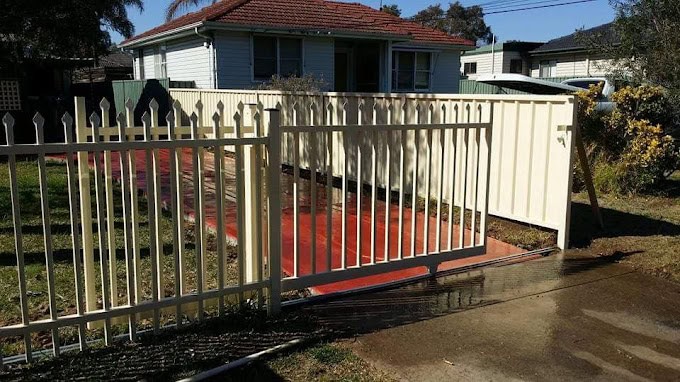
A fence is one layer. Roof safety and security often involves how people move around. Gates are frequent in rooftop decks, especially for access to roof devices or to meet structure requirements.
Gate equipment need to hold up to wind and constant usage. If a gateway shuts softly, it might be because springs or locks are underspecified for rooftop lots. When you open and close an entrance multiple times per day, you likewise worry placement. If the fence posts are not rigidly anchored, gateway placement issues become a loop: the gate scrubs, people readjust it, fasteners loosen up, and the barrier safety degrades.
Lighting issues too. If your roof deck uses lights installed near the guardrail, plan the electrical directing so you are not piercing arbitrary holes in the roof covering membrane. In my experience, tiny "fast solutions" done after installment frequently develop the largest waterproofing migraines later.
Finally, furniture is part of the system. Planter stands and bench seats can efficiently transform just how someone communicates with the guardrail. You may not control the furniture arrangement, however you can establish assumptions with the property owners or structure manager. A properly designed fencing minimizes threat also when individuals act normally, not simply when they act perfectly.
What to ask prior to signing: functional questions that prevent regrets
The most beneficial time to have the ideal conversation is prior to materials arrive. Once the fence is fabricated, modifications obtain expensive, and on rooftop jobs, modifications likewise mean added roof penetrations or rework around waterproofing.
Ask your fencing contractor a couple of direct concerns that cut through vague assurances:
A trustworthy fencing company will certainly not treat these as "gotchas." They will certainly treat them as typical project information. If they get protective or evade specifics, time out. A fencing that falls short since somebody presumed the roof covering information would be "close sufficient" is a costly trouble to deal with later.
A tiny tale that describes the real risk
I when enjoyed a rooftop fence installment where everything looked right during layout. The top rail height matched the drawings, the pickets were right, and the color matched the outside trim. The real issue revealed itself after the first gusty mid-day. The fencing subtly moved at one post, just sufficient to discover if you ran your hand along the rail.
It turned out the blog post anchor was not strictly connected into the structural framework. It was relying upon deck surface area problems and a sealing strategy that did its work at first yet did not account for long-lasting movement. The specialist had to revisit the link, strengthen the structure, and replace a section. Nobody was harmed, but the lesson was clear. Roof fencings do not forgive compromises since the forces are constantly present, and the individual experience exposes them quickly.
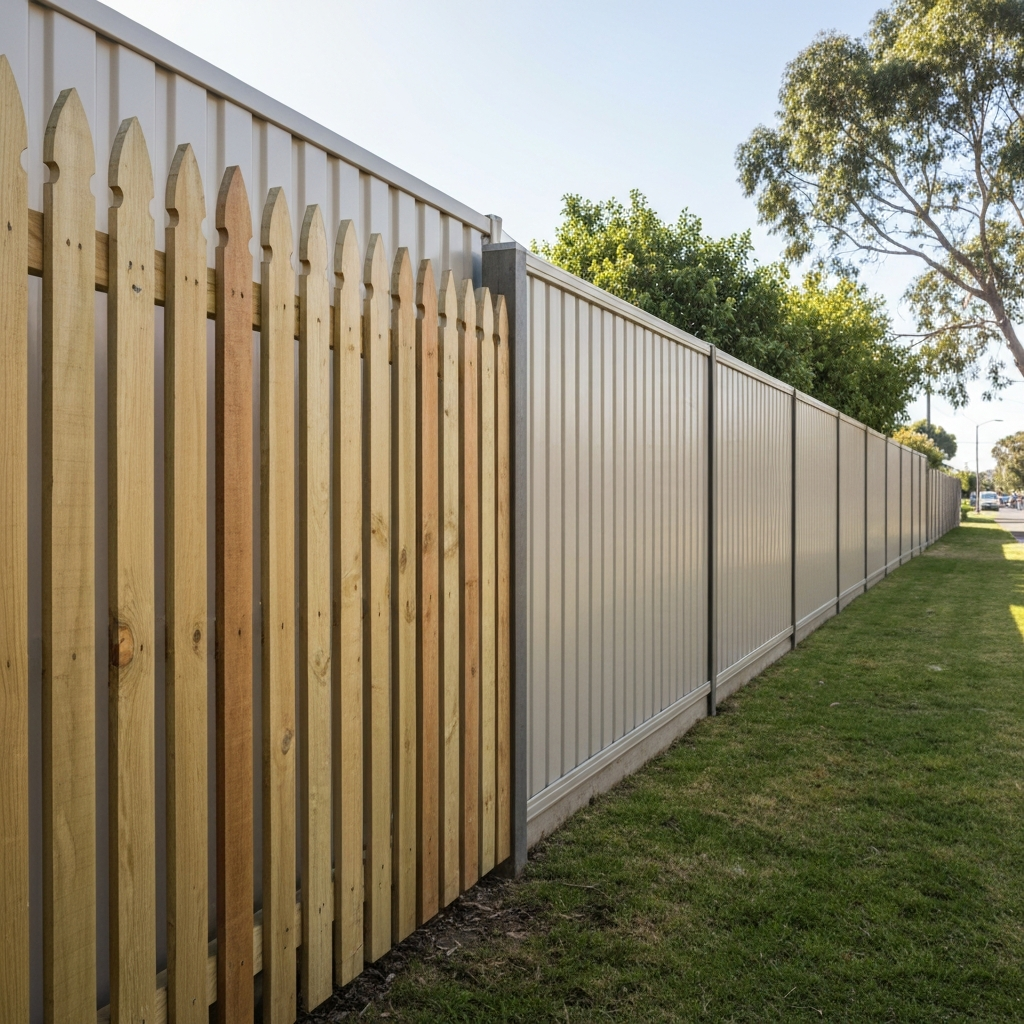
That is why solid fencing contractors talk about framework and attachment as the centerpiece of the design. A clean look is the access ticket, not the finish line.
Working with your group: home builders, roofing professionals, and permitting
Rooftop jobs are seldom the domain name of just one profession. You usually have a professional roofer, a deck home builder, and after that a fence installer. If those duties are not coordinated, the fence setup can interrupt the waterproofing plan, or the roofwork can be customized later on in manner ins which compromise the fence connection.
If you remain in allowing, bring the fencing scope into the procedure early. A fencing company that submits insufficient guardrail paperwork may get stuck awaiting revisions. That costs time, however extra importantly, it delays resolution of style restrictions like opening up dimension and climbing up prevention. Arranging matters too, due to the fact that an installation that takes place too soon can force rework as soon as waterproofing details are finalized.
The ideal outcome is when everyone comprehends that "roof deck edge" is a solitary system, not separate parts that occur to satisfy at the boundary.
Final fact check: the very best fencing is the one that remains safe under actual use
A rooftop deck fence has to do its work in wind, rainfall, warmth, and everyday wear. It should be stiff adequate to avoid wobble, described sufficient to shield waterproofing, and developed sufficient to meet the security demands that guardrails exist for.
If you are choosing in between professionals, do not just compare cost and aesthetics. Compare exactly how they speak about add-on points, exactly how they manage rooftop waterproofing outlining, and whether they ask the best concerns about the deck structure. That is where you locate the fencing contractor that will provide a fence that looks right and performs right long after the very first few photos.
And if your project consists of personal privacy panels or ornamental infill, insist on a wind-minded style approach. That is often the distinction in between "mounted" and "still strong after the very first huge storm."
When you deal with the fencing as part of the building's safety system, not a cosmetic device, raised areas become what they need to be: locations you can take pleasure in without second-guessing what occurs if someone loses balance, bumps the rail, or obtains brought away for a moment.