Understanding Tank Sensor Technology
Okay, so youre thinking about portable restrooms, right? Not exactly glamorous, but essential. And you might not think theres much to them beyond the basics, but actually, theres some pretty cool technology working behind the scenes, particularly when it comes to tank sensors. Understanding this tech is actually pretty important for anyone in the portable restroom rental business, or even someone just renting one for an event.
Think about it: nobody wants a portable restroom overflowing. Its messy, unsanitary, and a real pain to clean up. Thats where tank sensors come in. Theyre basically the unsung heroes that prevent these kinds of disasters. These sensors are designed to monitor the level of waste in the tank and provide alerts when its getting close to full.
Different types of sensors exist. Some use ultrasonic technology, bouncing sound waves off the surface of the waste to measure the distance and therefore the fill level. Others use pressure sensors, which detect the pressure exerted by the liquid. And still others might use float sensors, which, as the name suggests, float on the surface and rise with the level, triggering an alert at a certain point.
Why is understanding this technology important? Well, for rental companies, it allows for proactive maintenance. Instead of waiting for a customer to complain about an overflowing restroom, they can remotely monitor the tank levels and schedule servicing before it becomes a problem. This leads to happier customers, fewer emergency calls, and a more efficient operation overall.
For renters, understanding the basics of tank sensor technology can help them make informed decisions. Knowing that the portable restroom theyre renting has a reliable sensor system gives them peace of mind and assures them that their event wont be disrupted by overflowing toilets. Plus, understanding how the system works can help them use the restroom more responsibly, avoiding things that might clog the sensors or interfere with their accuracy.
In short, while it might not be the first thing that comes to mind when you think about portable restrooms, tank sensor technology plays a crucial role in ensuring a positive experience for everyone involved. Its a small piece of technology that makes a big difference in keeping things clean, efficient, and, well, less messy.
Types of Tank Sensors Used in Portable Restrooms
Portable restrooms, those unsung heroes of outdoor events and construction sites, rely on some pretty clever technology to keep things sanitary and manageable. One of the most important pieces of that technology is the tank sensor. These sensors are the silent monitors, constantly gauging the liquid level within the waste tank and preventing overflow disasters. But what kinds of sensors are actually used?
Youll typically find a few different types at work. Float sensors are a common and relatively simple solution. Imagine a small, buoyant object connected to a lever or switch. As the liquid level rises, the float rises with it, eventually activating a switch that triggers an indicator light or alarm. Theyre reliable and cost-effective, making them a popular choice.
Another type is pressure sensors. These clever devices measure the hydrostatic pressure at the bottom of the tank. The deeper the liquid, the higher the pressure, and the sensor translates that pressure reading into a liquid level measurement. Theyre generally more accurate than float sensors, especially in situations where the liquid might be sloshing around a lot.
Finally, there are ultrasonic sensors. These work by emitting a high-frequency sound wave and measuring the time it takes for the wave to bounce back off the liquid surface. The time delay is directly proportional to the distance to the liquid, and thus the liquid level. Ultrasonic sensors are non-contact, meaning they dont actually touch the waste, which can be a real advantage in terms of hygiene and maintenance.
The choice of which sensor to use often depends on factors like cost, accuracy requirements, and the specific demands of the portable restroom unit. Regardless of the type, these tank sensors play a crucial role in ensuring a clean and functional experience for everyone using these temporary facilities. Theyre a small but vital piece of the puzzle, keeping things running smoothly behind the scenes.
Benefits of Implementing Tank Sensors
Implementing tank sensors in portable restroom rentals offers a multitude of benefits that enhance both the user experience and operational efficiency. Firstly, tank sensors provide real-time monitoring of waste levels, allowing rental companies to schedule timely and precise emptying services. This proactive approach prevents overflows and reduces the risk of unpleasant odors, ensuring a cleaner and more hygienic environment for users.
Moreover, the data collected by tank sensors can be analyzed to optimize maintenance schedules and resource allocation. By understanding usage patterns and waste accumulation rates, companies can make informed decisions about when and where to deploy additional units or adjust rental agreements. This not only improves customer satisfaction but also leads to cost savings by minimizing unnecessary service calls and maximizing the lifespan of the equipment.
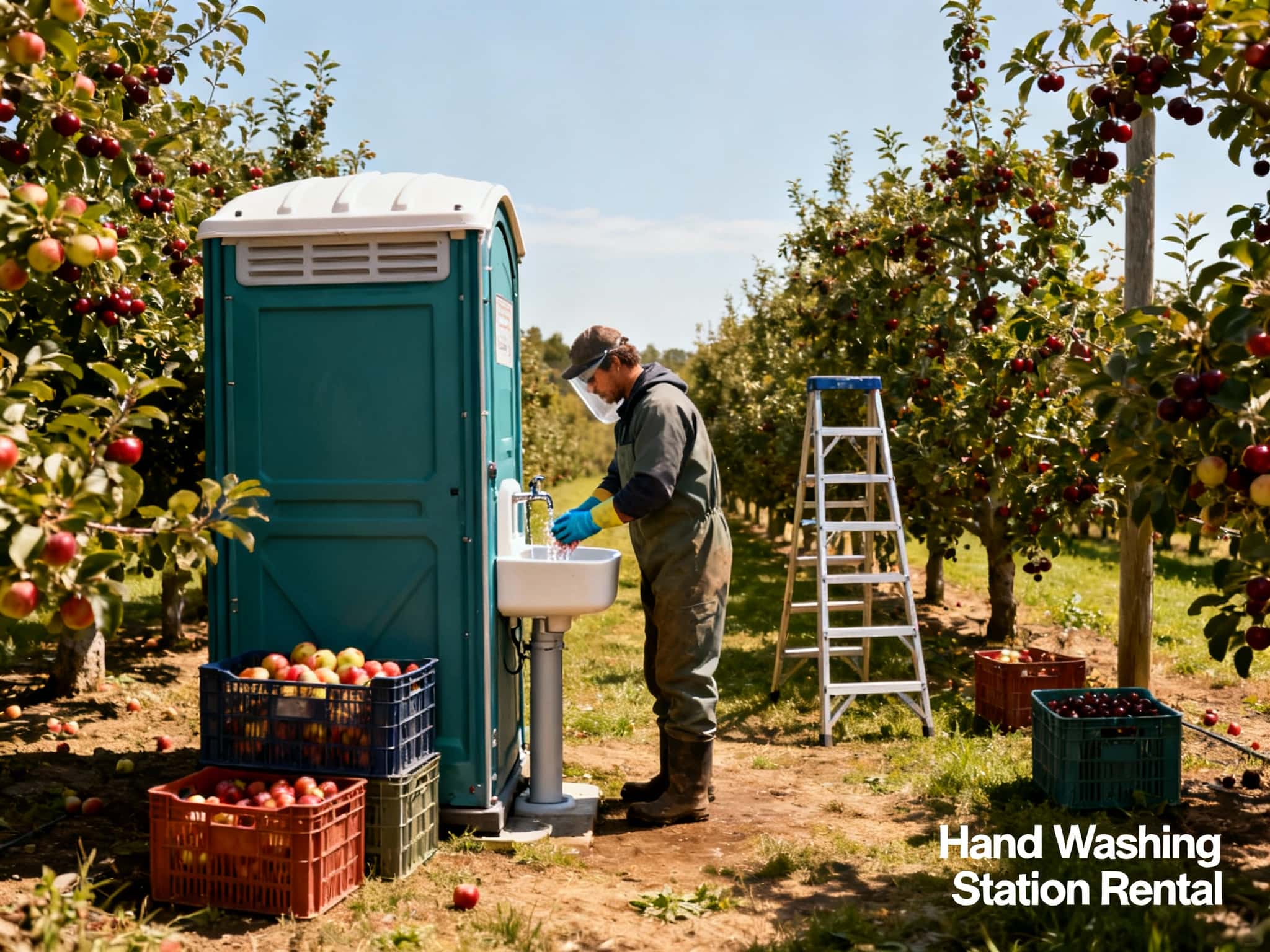
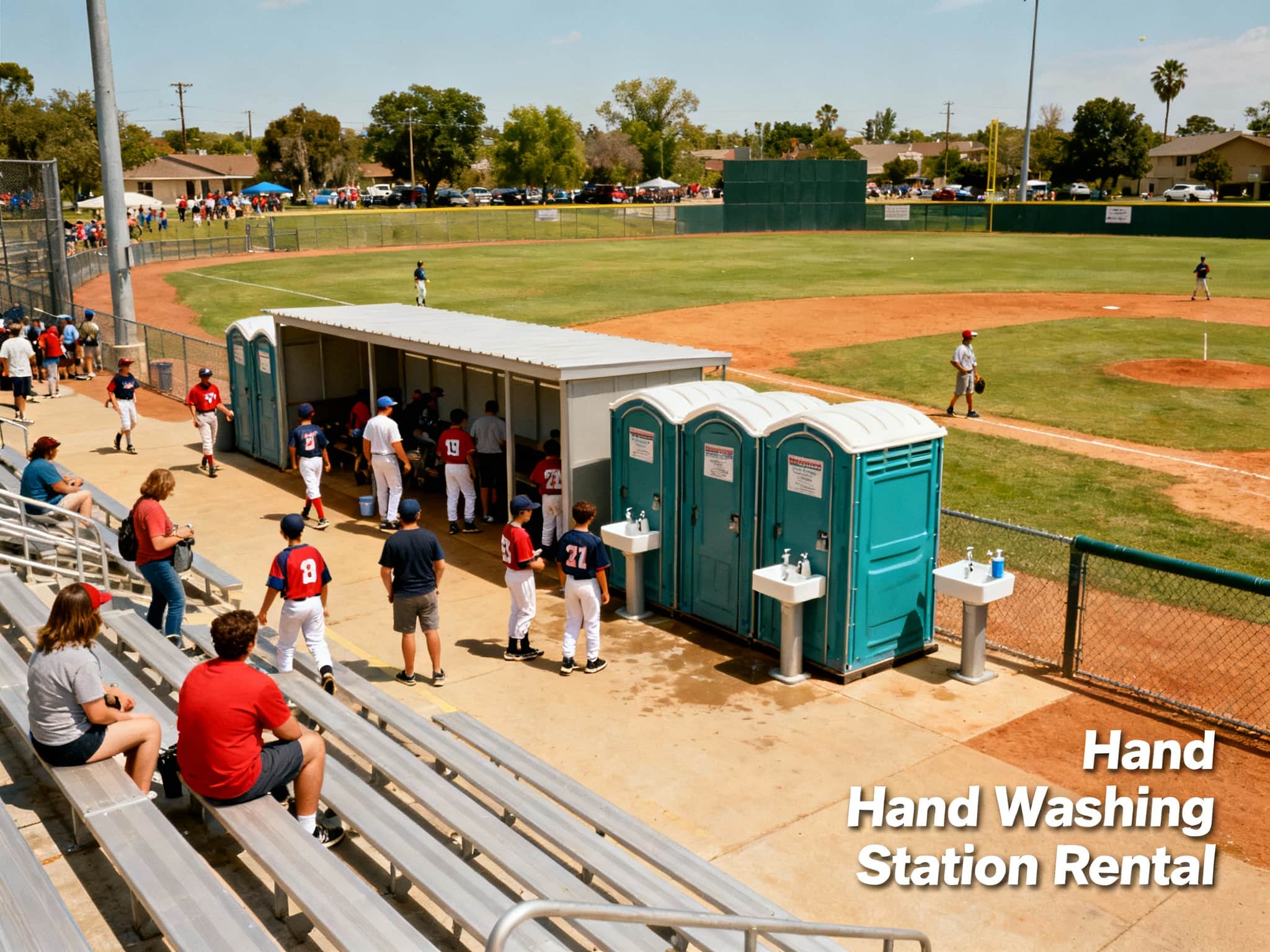
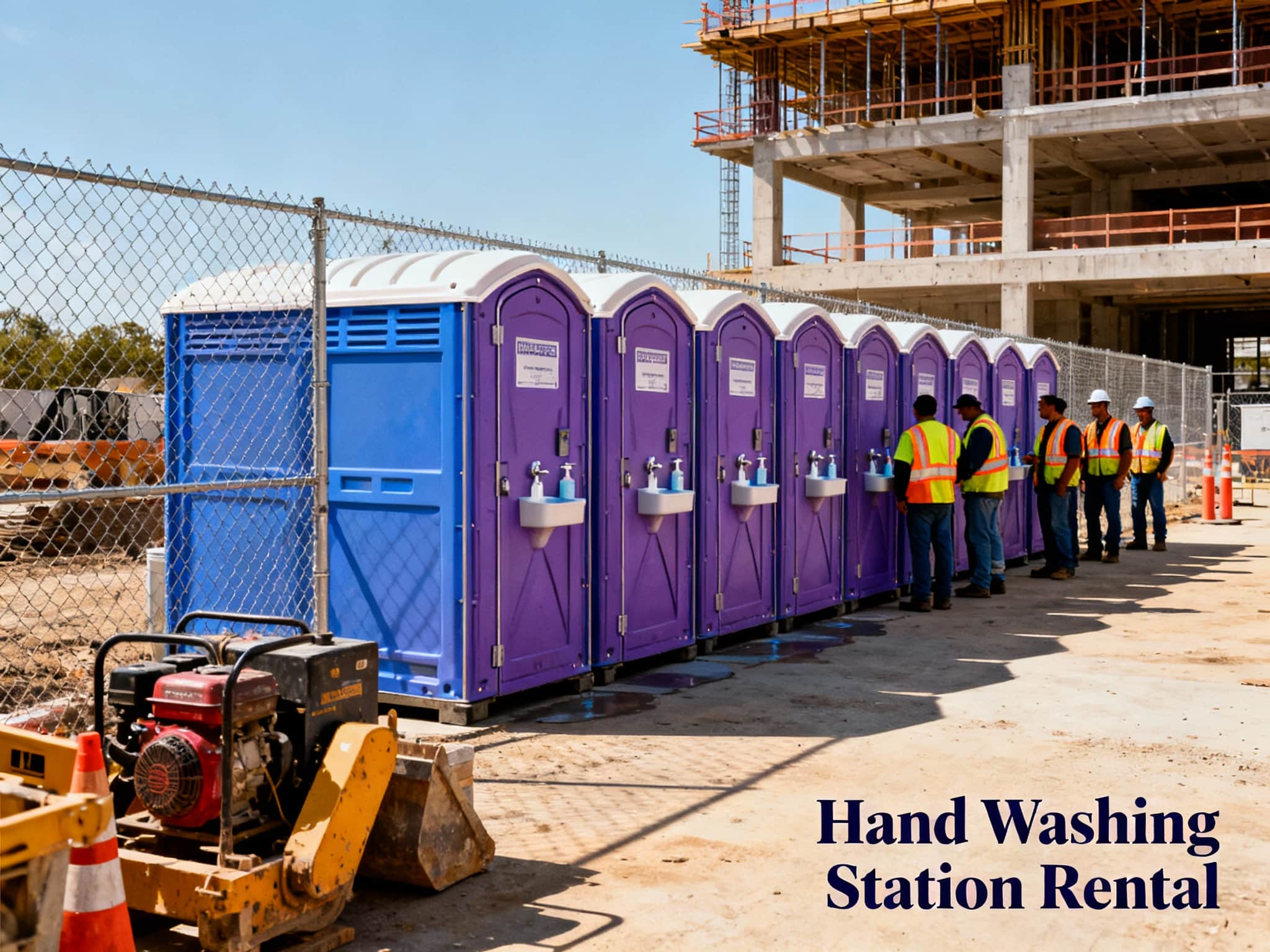
Event planners use rental sinks for food vendor areas construction site hand wash station dumpster.
Another significant advantage is the enhancement of safety and compliance. Tank sensors help ensure that portable restrooms adhere to health and safety regulations by providing accurate records of waste levels and service history. This documentation is crucial for maintaining transparency with clients and regulatory bodies, fostering trust and credibility.
Additionally, the integration of tank sensors can lead to more sustainable practices. By monitoring waste levels more effectively, companies can reduce the frequency of unnecessary trips for waste collection, thereby lowering fuel consumption and carbon emissions. This aligns with growing environmental concerns and demonstrates a commitment to eco-friendly operations.
In conclusion, the implementation of tank sensors in portable restroom rentals brings about numerous benefits, including improved user experience, operational efficiency, safety compliance, and environmental sustainability. These advantages make a compelling case for adopting this technology in the industry.
Installation and Maintenance of Tank Sensors
Okay, lets talk about keeping those portable restroom tank sensors humming along. When youre renting a portable restroom, you probably dont give a second thought to how the company knows when the tank is getting full. Thats where tank sensors come in. Think of them as the unsung heroes, quietly working to prevent overflows and keep things sanitary. But like any piece of technology, they need to be installed correctly and maintained regularly.
Installation is key. You cant just slap a sensor on and hope for the best. A careful, precise installation ensures accurate readings. This usually involves properly positioning the sensor within the tank, ensuring its securely mounted and protected from the elements, and correctly wiring it to the monitoring system. A poorly installed sensor can give false readings, leading to unnecessary service calls or, worse, a messy situation.
Then theres the maintenance side of things. Imagine the environment these sensors are working in! Its not exactly a pristine laboratory. Regular cleaning is essential to remove debris that can interfere with the sensors ability to accurately detect fluid levels. Think of it like cleaning the lens of a camera; if its dirty, you wont get a clear picture. Similarly, regular inspections are needed to check for any damage, corrosion, or loose connections. Harsh chemicals used in cleaning the restrooms can also corrode the sensors over time, so using sensor-compatible cleaning agents is critical.
The bottom line is, proper installation and consistent maintenance of tank sensors are vital for smooth portable restroom rental operations. It's not just about convenience; it's about hygiene, preventing environmental issues, and ultimately, providing a better experience for everyone using those facilities. So next time youre at an event using a portable restroom, take a moment to appreciate the little sensors working hard behind the scenes to keep things clean and functional.
Cost Analysis: Sensors vs. Traditional Monitoring
Lets talk about portable restrooms, those humble necessities often found at events and construction sites. Keeping them clean and functional is a must, and that means monitoring their waste levels. Traditionally, this involves someone physically checking each tank, a process that's undeniably, well, unpleasant and often inefficient. But what about sensors? Do they really offer a better, more cost-effective solution in the long run?
On the surface, sticking with the old-fashioned visual check seems cheaper. Youre just paying someones hourly wage, right? However, consider the hidden costs. Theres the labor itself, including travel time between units, which quickly adds up, especially if you have a large fleet scattered across a wide area. Then theres the potential for missed or inaccurate readings. A tank overflowing because it wasnt checked on time can lead to costly cleanup, environmental issues, and unhappy customers. Plus, imagine the time wasted checking tanks that are only half-full. That's unproductive labor.
Now, lets look at sensors. The initial investment is higher. Youve got the cost of the sensors themselves, installation fees, and potentially a subscription to a monitoring platform. This upfront expense can be daunting. However, think about the long-term gains. Sensors provide real-time data, so you only need to empty tanks that are actually full. This drastically reduces unnecessary trips and optimizes your routes, saving on fuel, labor, and vehicle maintenance. You can also anticipate potential problems, like leaks or unusually high usage, before they escalate into major issues. This proactive approach minimizes downtime and prevents costly emergencies.
Beyond the purely financial aspects, sensors offer other benefits. They provide a more professional image to your customers, showcasing your commitment to hygiene and efficiency. The data collected can also be used to optimize restroom placement and predict future demand, leading to better resource allocation. Plus, lets be honest, its a much more dignified job for your staff than manually checking waste levels.
Ultimately, the best approach depends on the scale of your operation and your specific needs. For a small business with just a few restrooms in a limited area, traditional monitoring might still be viable. However, for larger operations, the long-term cost savings, increased efficiency, and improved customer service offered by sensor technology make it a worthwhile investment. While the upfront cost might seem intimidating, the data-driven insights and streamlined operations that sensors provide can transform portable restroom rentals from a reactive, often messy, business into a proactive, efficient, and ultimately more profitable one.
Troubleshooting Common Sensor Issues
When it comes to managing portable restroom rentals, ensuring that tank sensors are functioning correctly is crucial for both customer satisfaction and operational efficiency. Tank sensors play a vital role in monitoring the levels of waste and fresh water, helping to prevent overflows and ensuring that restrooms are serviced in a timely manner. However, like any technology, sensors can sometimes malfunction. Here's a guide to troubleshooting common sensor issues in portable restroom rentals.
One of the most frequent issues is inaccurate readings. If a sensor consistently provides incorrect data, the first step is to check for physical obstructions. Debris or buildup within the tank can interfere with the sensor's ability to read levels accurately. A thorough cleaning of the tank and sensor may resolve the issue. Additionally, ensuring that the sensor is properly calibrated is essential. Many modern sensors come with calibration settings that can be adjusted to match the specific conditions of the tank.
Another common problem is sensor malfunction due to electrical issues. This can manifest as a sensor that doesn't respond at all or provides erratic readings. Begin by checking the power source to ensure that the sensor is receiving adequate voltage. Loose or corroded connections can also cause electrical problems, so inspecting and securing all wiring is a necessary step. If the sensor itself appears to be faulty, it may need to be replaced.
Environmental factors can also impact sensor performance. Extreme temperatures, whether hot or cold, can affect the accuracy of readings. In such cases, consider using sensors that are specifically designed to withstand harsh conditions. Additionally, ensuring that the sensor is installed in a location that is shielded from direct sunlight or extreme weather can help maintain its accuracy.
Software glitches can sometimes cause sensor issues, especially in systems that rely on digital readouts or remote monitoring. Regularly updating the sensor's firmware can help resolve these problems. If updates don't solve the issue, contacting the manufacturer for support may be necessary.
Lastly, user error can sometimes be the root cause of sensor issues. Ensuring that staff are properly trained on how to install, maintain, and troubleshoot sensors can prevent many common problems. Regular maintenance checks and keeping detailed logs of sensor performance can also help identify issues before they become critical.
In conclusion, troubleshooting common sensor issues in portable restroom rentals involves a combination of physical checks, electrical inspections, environmental considerations, software updates, and proper training. By addressing these areas, operators can ensure that their tank sensors provide accurate and reliable data, leading to better service and customer satisfaction.
The Future of Tank Monitoring in Portable Restrooms
The future of tank monitoring in portable restrooms is poised for a revolution, and its all thanks to increasingly sophisticated tank sensors. Think about it: nobody wants to rent a portable restroom and find it overflowing. Its unpleasant for the renter, a hassle for the rental company, and frankly, just bad business. But manual checks are time-consuming and inefficient. Enter the age of smart sensors.
Imagine a world where portable restroom tanks are equipped with sensors that constantly monitor fill levels, temperature, and even the presence of certain chemicals. This data is then transmitted wirelessly to a central platform, giving rental companies real-time visibility into the status of their entire inventory. No more guesswork. No more reactive service calls. Just proactive maintenance.
This means optimized routing for service trucks. Instead of following a predetermined schedule, trucks can be dispatched only when and where theyre actually needed. This saves fuel, reduces labor costs, and minimizes the environmental impact of unnecessary trips. It also allows rental companies to prioritize restrooms that are nearing capacity, preventing overflows and ensuring customer satisfaction.
Beyond basic fill levels, future sensors could offer even more insights. They could detect leaks, alerting companies to potential problems before they escalate. They could monitor usage patterns, helping to predict future demand and optimize placement of restrooms at events. They could even integrate with customer feedback systems, allowing renters to report issues directly through a mobile app.
Of course, there are challenges to overcome. Cost is a major factor. The initial investment in sensor technology needs to be justified by the long-term savings and improved service quality. Reliability is also crucial. Sensors need to be durable enough to withstand harsh environments and resistant to tampering. And data security is paramount. Rental companies need to ensure that sensitive information is protected from unauthorized access.
Despite these challenges, the potential benefits of tank monitoring are too significant to ignore. As sensor technology becomes more affordable and reliable, its likely that well see widespread adoption in the portable restroom rental industry. The future is clear: smart sensors are poised to transform the way we manage these essential facilities, making them cleaner, more efficient, and more convenient for everyone.