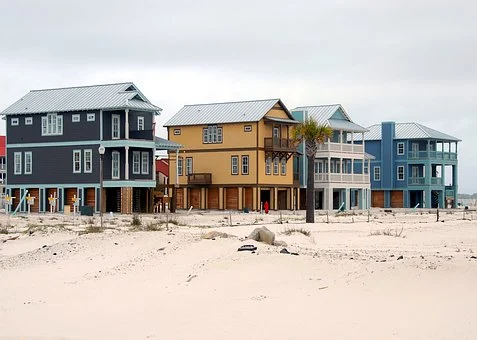
Home Weatherization: The Benefits
Home weatherization is a great way to increase your cooling and heating efficiency. It is not only a way to conserve natural resources, but it can also benefit the environment as well as your budget. Weatherization makes your home healthier, making it safer for your family. This is especially beneficial for people with allergies and other chronic conditions. This can also help to save money on your monthly electric bill.
The many benefits of home weatherization have been widely acknowledged. Over one-fifth (or more) of the U.S.'s energy use is currently attributed to residential buildings. The energy savings homeowners can expect from weatherization measures are well documented. A U.S. Department of Energy study has shown that home weatherization can reduce energy costs by up to 30%.
Homeowners can benefit from installing energy-efficient appliances. Studies have shown that weatherization reduces the risk for asthmatic hospitalizations, as well as air contaminants and fires. You will also enjoy better indoor air quality. Improvements in indoor air quality are possible by sealing cracks or air leaks. This is especially important for asthmatics or those with respiratory problems. Energy-efficient homes can also help save the planet by reducing your energy bills.
These are just some of many benefits that home weatherization can bring, but there are also other benefits. An important step in improving the economy is to increase the efficiency and sustainability of your home. Lower utility bills for homeowners are another benefit, especially when it is cold. You can save money with increased energy efficiency. The federal government has significantly increased funding for the WAP. But, homeowners without WAP are still limited in their ability to adopt home weatherization. These include a lack knowledge, insufficient BPI certified contractors, or lack of funding.
A weatherization service is an excellent investment in reducing your energy bills. This will not only improve the comfort of your house, but it will also lower the cost of heating and hot water. New York's weatherization standards require providers to use high quality materials and train in quality control. Home Energy Assistance Program - homeowners may also qualify for weatherization services. You can even get low-cost weatherization services that will lower your energy bills.
Weatherization is not only a cost-saving tool, but it also helps to protect the environment and promote economic growth. It reduces the energy burden for families. It is possible to weatherize low-income neighborhoods where forty million Americans currently live below the poverty level. For example, low-income families spend three to five times as much on electricity than those with higher incomes. Low-income families often live in homes without adequate insulation and heating systems. A quarter of households also spend more than they should on their energy bills.
Weatherization Assistance Program (WAP), which provides low-cost and energy-efficient home improvement options to households with income, is available. The program's goal is to lower your energy bills while increasing comfort and safety within your home. You must have a household with a minimum income and a large enough household to be eligible for Home Weatherization. Energy audits and energy-saving tips are available to those with low incomes. Weatherization services are also available to households with low income families and those with children.
The state's median income is 60 percent. This means that only those households have the ability to apply for weatherization assistance. If you rent, your landlord must give you written permission before you begin the weatherization process. Income isn't the only factor that will determine your eligibility for weatherization. However, it can make all the difference in how much you can save over time. Below are some benefits of weatherization, as well as how to apply.
Your home can be weatherized to reduce energy consumption by sealing it and insulation. New York's homes were built during a time when energy was scarce. This means that older homes are more expensive than energy-efficient, newer houses. All people receiving TANF/SSI automatically are eligible. HCR's Low Income Home Energy Assistance Program and TANF are two examples. For more information, contact your local provider.
Weatherization Assistance Program helps low-income families to reduce their energy costs, and ensure safety and health. The eligibility criteria for this program are determined by the number and type of income in the household. Pierce County Human Services offers weatherization services to residents with low income outside Tacoma. Anyone interested can apply online, or pre-register. If they are eligible, they will reach out to them to schedule their project.
Weatherization is possible if your home meets the requirements. These programs are free and offer all the necessary training. Below is a directory of providers. Contact a local provider if you're looking for a home weatherization system. They can provide you with contact information and answer your questions. Make sure to grab the 'how you can live in your weatherized' handout.
You can find a wide range of prices for home weatherization. You might want to look into weatherization grants if you are looking for the best option. There are many government programs as well as non-profit organizations that offer cost-share support for weatherization. Some programs provide cost-share assistance, while others require the homeowner to invest funds. You can save money on heating and cooling costs by weatherizing your home.
You can save a lot of money on your gas and electricity bills by weatherizing your home. Although the cost of home weatherization projects can be quite expensive, it will save you money over time. The cost of the project will be quickly offset by the savings. The best part is that you will increase the home's worth by several thousand. Your home can be weatherized for an average $300 per year. It may even increase its value.
Weather stripping can be done yourself, even if you don’t have the budget to hire someone. Caulk is a simple way to prevent heated air from escaping. This caulk is easily available and can be used in every room in a house, including the basement. Depending upon the size of the gaps you might want to use Mortite (a putty-like caulking product) or foam board.
Your income can also impact the cost of homeweatherization. The government will only pay for home-weatherization projects if there are greater savings than the costs. Recently, the government announced new incentives for Vermonters of low and moderate income to weatherize their homes. You might be eligible for free weatherization if your income qualifies. Efficiency Vermont has partnered with six Weatherization Assistance Providers. ThreeE Thermal will offer services to apartment buildings with five or more units. Apartment building owners have the opportunity to improve their buildings' energy efficiency through this program.
Your income will also affect how much you pay for home weatherization. If the savings from home weatherization are greater than the costs, the government will not pay. Recent incentives were announced by the government for low- and moderate-income Vermonters to weatherize their homes. You might be eligible for free weatherization if your income qualifies. Efficiency Vermont has partnered with six Weatherization Assistance Providers. ThreeE Thermal, for example will provide services to apartment houses with five or fewer units. Apartment building owners can increase their buildings' efficiency by using this program.
Tax credits are often used to cover the cost of home weatherization. However, your local utility company may be able to provide assistance. Vermont has a climate plan that will weatherize 120,000 homes in ten years. This program aims at reducing carbon pollution by 2.2million tons in that time. Although the cost of home weatherization may vary depending on where you live, it is an important step towards a more efficient nation.
It is one of the most cost-effective ways to reduce your energy bills. But you may not be sure when to schedule the installation. A full weatherization service may take up to a week depending on what type of weatherization is required and the schedule of the service provider. Contacting a weatherization service provider early will increase your chances of having it completed before winter season.
Your home's weatherization will save you energy for many years. Insulating attics and walls will help you save money for up to 30 years. You can also save money on heating equipment by making it more efficient for ten to twenty years. Weatherization is also a great investment that will pay off over time. These are some important things to remember about weatherization.
First, if your income is SSI/TANF, you might be eligible for free home weatherization. To be eligible you will need to meet income and resource requirements. Free weatherization services are available to anyone who earns less than 200% below the poverty level. Weatherization services are designed to keep you warm in winter and cool during summer. A qualified energy auditor will assess your eligibility for the services and make recommendations based on nine broad categories. Your auditor will recommend weather stripping and caulking for general heat waste. This will reduce heat loss and air infiltration. Your auditor will guide you in the implementation of energy-saving measures such as blower doors, and other energy-efficient upgrades.
Weatherization takes many months. It is a multi-step process. To be eligible, you will need written permission from the landlord. If you're a renter, permission must be obtained from your landlord prior to undertaking any work. Weatherization services will help you reduce your energy bills and make it safer. These services cannot do structural repairs, electrician work or plumbing upgrade. It doesn't matter what kind of weatherization work needs to be done, the home weatherization process can take longer than expected.