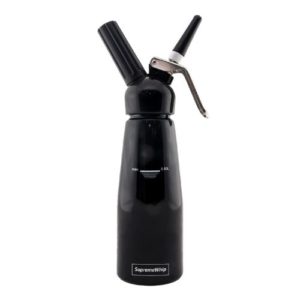
Picking Compatible Fittings for Your Nang Tanks
Compatibility is not a luxury in an expert kitchen area or bar, it is the standard for safety and security, accuracy, and poise under solution pressure. When you attach a fresh cyndrical tube prior to the first seating, you desire a quiet click, a constant gauge, and the assurance that the foam or oxygenated sauce will certainly act precisely as it did in testing. The installations you pick for your nang tanks and relevant hardware do far more than join two pieces of metal. They secure product quality, minimize wastefulness, and maintain your group out of injury's way.
I have established nitrous systems for bread counters that plate 150 desserts in a night, in addition to small bar programs where a single nang bottle has to draw double responsibility for whipped oils and a signature mousse. The best results constantly start with the ideal breeding of cyndrical tube, regulatory authority or charger interface, pipe, and incurable gadget. The incorrect string or a poor gasket will certainly not just leak gas, it will leak time, cash, and quite possibly reputation.
What we are in fact chatting about
Terminology in the profession can be unsafe. People state nang tanks, nang cylinders, nang canisters, or nang bottles rather reciprocally. In kitchens, two categories matter most.
Small, single‑use canisters, generally around 8 grams, bill a cream whipper head by puncturing a slim membrane. These act like consumables and need only the correct charger owner for your whipper. Then there are higher‑capacity cylinders used in some professional setups that feed a regulator and pipe to a whipper or dosing gun. They are refillable or adjustable devices with an appropriate valve, made for duplicated connection and interference. They lower waste, hold steadier pressure over a service, and permit fine control, however they likewise increase the risks on installations and safety.
Regardless of dimension, the gas in question for cooking use is food‑grade nitrous oxide, recognized in Europe as E942. That quality matters. Food‑grade gas is filtered and licensed for sensory neutrality. You taste it in the foam you serve, not as a flavor, yet as the absence of taint. If you have actually ever had a cream that do with a metal or solvent note, probabilities are the problem began at the source: gas top quality, cyndrical tube background, or contamination in the fittings.
A note on intent: whatever below speaks with legit culinary and drink applications. These systems are for whipping, rapid mixture, and controlled aeration in food service. Follow your regional legislations on acquisition, storage, and use, and do not make use of laughing gas for anything beyond food preparation.
Why compatibility makes or damages service
Nitrous oxide sits at a high vapor pressure. At around 20 degrees Celsius, you can expect roughly 750 psi, and it differs with temperature. This basic reality implies an ill‑matched string or ineffective gasket does not provide you a gentle hiss, it can offer you a flash freeze at the leakage factor and a quick loss of product. A regulatory authority with the wrong seat material can babble or ice up. A hose rated for air devices could soften, harden, or craze under chilly shock. You will be chasing a failure during the thrill, which is not the time to become a gas engineer.
Compatibility, then, covers the entire line: cylinder electrical outlet, any type of adapters, regulator, hose pipe and quick‑connects if used, and the terminal head on your whipper or application weapon. It also consists of the cleansing chemicals you enable near the seals and the lubes you never permit near the threads.

Anatomy of a secure, compatible setup
Picture a simple high‑capacity layout that feeds a lotion whipper. The cylinder offers a valve electrical outlet. That outlet connects to a regulator built for nitrous solution, which decreases the cylinder pressure to a functional functioning variety for whipping, frequently in the neighborhood of 5 to 10 bar depending on the prep work and head style. The regulator electrical outlets to a hose pipe, and the tube ends at a connector that companions to your whipping head or exclusive dosing handle.
Each junction has 3 compatibility inquiries to answer.
First, mechanical fit. Do the threads match, is the seat geometry proper, and is any quick‑connect absolutely the exact same pattern. Second, chemical compatibility. Are the products stable in contact with laughing gas, particularly when cold. Third, hygiene and conformity. Are these materials food‑grade, and do they have a tidy background with the best documentation.
In tiny container systems, the picture is simpler. The right charger holder threads to your cream whipper head, and the puncturing pin and seal in the head do the rest. Even right here, compatibility matters. A curved or out‑of‑spec puncturing pin will fracture a seal, leak, and potentially embed pieces right into the seal seat. An inexpensive battery charger owner with soft threads will cross‑thread, and once you have that burr, it will certainly abrade every fresh seal you install.
Threads, seats, and the trap of "close enough"
From the outdoors, 2 installations can look similar. I have actually seen cooks compel a near‑match and shed a complete cylinder in secs. Strings are a language. Metric and royal usage different pitches for the same diameter. Seat angles can be level, conical, or proprietary. Some shutoffs secure on the face, others on the flank. There are even differences in turning direction in some gas households. A regulatory authority that appears to attack and transform efficiently might still have only partial thread engagement. That is not a link, it is a time bomb.
The discipline is straightforward. If you can not name the thread requirement and seat type, you do not attach it. Utilize a caliper and a string pitch scale to recognize unknowns, and verify with the vendor's data sheet. Bring a small reference card with your house standards to the back space where you alter cyndrical tubes. The two measurements that save the day are significant size and pitch, complied with by confirmation of seat geometry. If you do not have the tools, your supplier should.
With little nang canisters, the cross‑thread trap is common at the charger holder. If you are changing owners throughout different brand names of whipper, test them cold and completely dry, by hand, without any battery charger packed. The moment you feel grit or irregular resistance, stop and take a look at the threads on both pieces under intense light. A tsp of perseverance here prevents an evening of micro‑leaks.
Materials that love nitrous, and those that do not
Nitrous oxide is an oxidizer. It is not oxygen, however it does not play well with every polymer or hydrocarbon grease. Steels like stainless steel, brass, and aluminum are broadly compatible, however not all qualities are equivalent. In food solution, 304 and 316 stainless steel earn their maintain. Brass carries out well if you value two things: layering high quality and cleanliness. Any type of raw brass in a food course can add a preference. Nickel‑plated brass elements are common and functional, supplied the plating is intact.

For seals and seats, PTFE and PCTFE have a solid record in nitrous service. FKM, typically recognized by a trade name for fluoroelastomer, offers great resistance also. EPDM is in some cases utilized on the equipment side, but chilly shock and nitrous can tense it, bring about bad securing after a period of usage. Silicone o‑rings really feel luxurious when brand-new, however many qualities do not belong in a nitrous path and can carry tastes. If an o‑ring touches the gas path, pick a product ranked for N2O and validated for food contact.

As for lubricating substances, err on the side of absence. Lots of groups grew up putting a touch of oil on stubborn threads. Do not do it below. If you must oil a regulatory authority thread defined by the maker, use only an oxygen‑compatible item in the smallest possible quantity, and keep all lubricating substance far from the gas course. Clean outside threads with isopropyl alcohol, enable to completely dry, and connect tidy to tidy. A glossy string is not the goal, a clean dry string is.
Regulators that behave under stress and throughout service
A high‑capacity cylinder wants a regulator that subjugates it to an exact, repeatable line pressure. Theoretically, any regulatory authority with the best inlet and electrical outlet might appear appropriate. In method, the seat layout and inner products identify whether your service feels crisp or disorderly. A regulator intended for nitrous will specify compatible seat products and stress varieties that match your culinary needs.
Pay focus to two numbers on the spec sheet: maximum inlet pressure and the control variety. For nitrous, you want charitable expenses in the inlet score, typically 1000 psi or more, with a control band that covers your dishes without parking the handle at either extreme. If you typically run mousse at 7 bar and quick mixtures at 5 bar, a regulatory authority with a 0 to 10 bar additional array offers you headroom and fine adjustment. A regulatory authority designed for carbon dioxide soda systems could technically fit, yet supply erratic stress as the nitrous cools the internals. Cold sensitivity shows up as rising or slow recovery.
If your program makes use of quick‑connects for speed, systematize on a single family members. Mixing patterns looks tidy till a hectic bartender attempts to connect a pipe right into a nonmatching stem. Install dust caps on both sides, and soak the caps, not the couplers, when you sanitize components. Water inside a connector becomes ice under solution, and when you feel that obvious rigidity, you will be compelled to retire the coupler mid‑night.
Adapters: an assistance, not a crutch
Every team acquires an adapter one way or another. A credible, manufacturer‑supplied adapter that brings the ideal ratings is a bridge when you require it. The negative practice is piling adapters because a person neglected to purchase the appropriate regulatory authority. 2 adapters might look smart, but they add leakage paths and push the working length of the link out where it can flex and gall. If you have to use an adapter, use just one, and treat it as a short-lived repair until the correct component shows up. Label it, stock it, and retire it when the irreversible service remains in hand.
Gas high quality, qualification, and sensory neutrality
The most beautiful foam is ruined by the pale taste of solvent. Nitrous carries fragrances if the cyndrical tube or the shutoffs are polluted, or if the gas is not truly food grade. Work just with vendors that supply food‑grade qualification and traceability. In the European market, look for E942 on the paperwork. In various other markets, request for an evaluation certificate and a declaration of food suitability. Ask candid inquiries regarding filling up lines and whether they segregate food‑grade and commercial grades. Then run your own sensory. Charge a neutral cream, hold the foam under your own nose, https://syd1.digitaloceanspaces.com/tastytreats/nang-delivery-melbourne/the-environmental-influence-of-disposable-nang-canisters.html and taste it. Keep an index card on the wall with the whole lot number and a basic pass or stop working mark after each new distribution. This act takes under a minute and shields months of dish development.
Storage, transportation, and the quiet art of not letting gas go missing
Treat nang cylinders with the exact same regard you provide a glass of wine you would certainly not dare spill. Secure them upright with chains or bands. Keep the safety cap on the valve when not connected. Store in a great, completely dry room with good ventilation. Warmth drives stress up, and while cylinders are developed with safety and security in mind, there is no reward for pressing limitations. A walk‑in colder is great for short jobs, however if you are cooling cylinders to decrease pressure prior to transforming fittings, do not leave them cold for days. Condensation invites rust around strings and seats. Wipe them completely dry, keep them covered, and return them to ambient.
Transport should have equal care. Move cyndrical tubes on a small cart with a band, not under an arm. A went down cylinder can knock a shutoff, and a shutoff transformed projectile is not staged, it is disastrous. It takes seconds to protect a load and possibly your entire period's P&L to regret it if you do not.
Leaks conceal in peaceful spaces. Prior to solution, fracture the shutoff and view the regulatory authority scale clear up. Utilize a foaming, food‑safe leakage detector or a fresh soap solution brushed onto the joints. Fine streams develop tiny domes that expand gradually. If you see a bubble at a joint you believed was tight, you have a void. Power down, vent safely, and fix it. Do decline also a whisper of a leakage. Apart from expense and safety, gas in the air dries out the area and brings strange aromas.
Climate, elevation, and other edge instances that matter
Kitchens stay in microclimates. In a cozy bar at 28 levels Celsius, your cylinder will sit at a higher pressure, really feel generous, and need much less from the regulator. In a cool prep room, line pressure can sag after lengthy attracts. These changes are normal. What is not normal is a configuration that barely functions at one temperature level and becomes unmanageable at an additional. If your service goes across spaces, choose a regulator that preserves setpoint easily, and insulate the line if required. In dry mountain air, you may see a little different foam structures at the same scale reading due to altitude and temperature interplay. Log your setpoints by terminal, not simply by recipe, and train team to adjust within a little accepted range.
If you are pushing large volumes quickly, frosting shows up on cool places at installations. It looks remarkable. The cure is to minimize circulation for a moment, after that resume. If frost repeatedly develops at the exact same joint, suspect a limitation or an interior geometry that speeds up cooling. Take another look at that component option with your supplier.
Cleaning practices that keep fittings honest
Food solution demands tidy equipment, yet water and cleaning agents can be rough on gas components. Stay clear of soaking regulators or quick‑connects. Clean them. Use lint‑free cloths and a mild, food‑safe cleaner that leaves no deposit. Enable complete drying prior to going back to solution. For whipper heads and battery charger holders, take apart completely, soak the detachable parts, and deal with strings with a nylon brush, never a steel one. If you should sanitize components near seals, select agents that will certainly not embrittle elastomers. An once a week clean with isopropyl alcohol on outside threads and metal seats maintains deposits at bay.
Retire seals the minute they look polished, flattened, or nicked. Maintain a classified box of replacements at each station, and instruct personnel to alter them in the past, not after, a leak appears.
Supplier conversations that divide penalty from forgettable
Good providers do not simply deliver boxes, they address inquiries. I expect the complying with when I vet a partner: clear thread and seat specs for their nang bottles and installations, stated product grades for all wetted parts, food‑grade certification on gas, and suggestions for regulator control arrays by application. If a sales associate shrugs at a question on seal product or suggests "it must fit," I relocate on.
Ask for spare components on the very same invoice. Gaskets, o‑rings, and a substitute battery charger holder or more cost little bit, and they avoid downtime. Ask whether adapters are their own or third‑party. Ask about training. The best providers will certainly invest ten minutes strolling your team via a connection, pointing out where to look for leakages, and what not to touch.
A brief story from a Friday that might have gone wrong
In a hectic pastry kitchen, we ran 2 high‑capacity cylinders in parallel for a sampling menu with three oxygenated parts. The brand-new regulatory authority on cylinder B looked right, felt right, and went on without complaint. Thirty minutes right into solution, a thin halo of frost appeared at the inlet joint. We had a line stress that danced when the nozzle shut quick, then steadied. A soap examination showed tiny bubbles. We closed it down and relocated all quantity to cyndrical tube A. In the back, with the lights intense and the noise gone, we gauged the suspicious regulator. The inlet was a near‑match thread, very same significant diameter, wrong pitch by a hair. It had actually engaged just sufficient to really feel seated. The repair was as plain as it was pleasing. We marked the regulator, returned it to the provider with dimensions, and replaced it with the proper system. The following evening, service relocated like a pianist's hands.
The lesson stuck to the group. Never compel a link. If you can not call it, you do not utilize it. And you maintain a measured, documented spares package within reach.
A sensible compatibility list prior to you buy
- Identify the exact cylinder outlet requirement for your nang tanks or larger nang cylinders, including thread kind, pitch, and seat geometry.
- Confirm the regulator's inlet score, products, and control range are specified for nitrous oxide and meet or exceed your anticipated stress band.
- Verify every seal and gasket product in the gas course works with N2O and accredited for food call, with spares available.
- Standardize quick‑connect families and pipe ratings, and avoid mixing patterns across stations or shifts.
- Require food‑grade gas documents for all nang canisters and nang bottles, and perform in‑house sensory on first use each lot.
Verifying a new arrangement on shipment day
- Inspect all threads and seats under brilliant light, dry fit without pressure, and verify complete, smooth involvement by hand.
- Pressure examination with a lathering leak detector at reduced flow, then at the workplace flow, viewing determines for creep or surge.
- Charge a neutral tool, such as unseasoned cream, and preference for neutrality to discover off‑odors from new components.
- Train the group on setpoints by dish and by station, and upload a tiny card with appropriate change ranges.
- Label adapters as momentary and stock seals, dirt caps, and tools at the point of use.
When something tastes wrong however the evaluates look right
Not all troubles announce themselves with a hiss. If your textures correspond but a meal tastes somewhat metallic or strange, presume the non‑mechanical side. Modification only one variable each time. Swap to a different great deal of gas first, after that to a different whipper head or pipe, then to a various regulator if required. Keep a tiny log with times, lots, and end results. This investigative work takes a few mins and will generally arrive at a perpetrator faster than intuition. Usually, you will find a cleansing chemical made its way right into the gas course, or a seal aged faster than expected in a cool station.
Legal and plan notes that matter in real kitchens
Regulation varies by country and state. Many areas need that laughing gas for food use be sold and recorded clearly from industrial gas. Some territories manage retail sale and ownership for obvious reasons unrelated to gastronomy. Keep buying centralized, maintain records neat, and train personnel that these cyndrical tubes and canisters are tools, not toys. Shop them locked if your place's plan or neighborhood regulation demands it, and want to say no to any type of request that smells like abuse. The self-respect of your program, and the security of your team, hinge on a culture of seriousness around pressurized gas.
The silent payoff
When fittings are chosen with care, your team stop thinking about them. The regulator holds setpoint. The pipe does not battle the hand. The battery charger holder slides on, seats, and launches exactly as it should. Foam lines taste like what you worked so tough to put into them. You lose less, spend less time troubleshooting, and your group maintains their concentrate on the craft. That is the luxury you are actually purchasing when you purchase compatibility for your nang tanks, whether you run a jewel‑box bar or a high‑volume treat station. It is the sort of luxury that develops into uniformity, and consistency becomes trust.