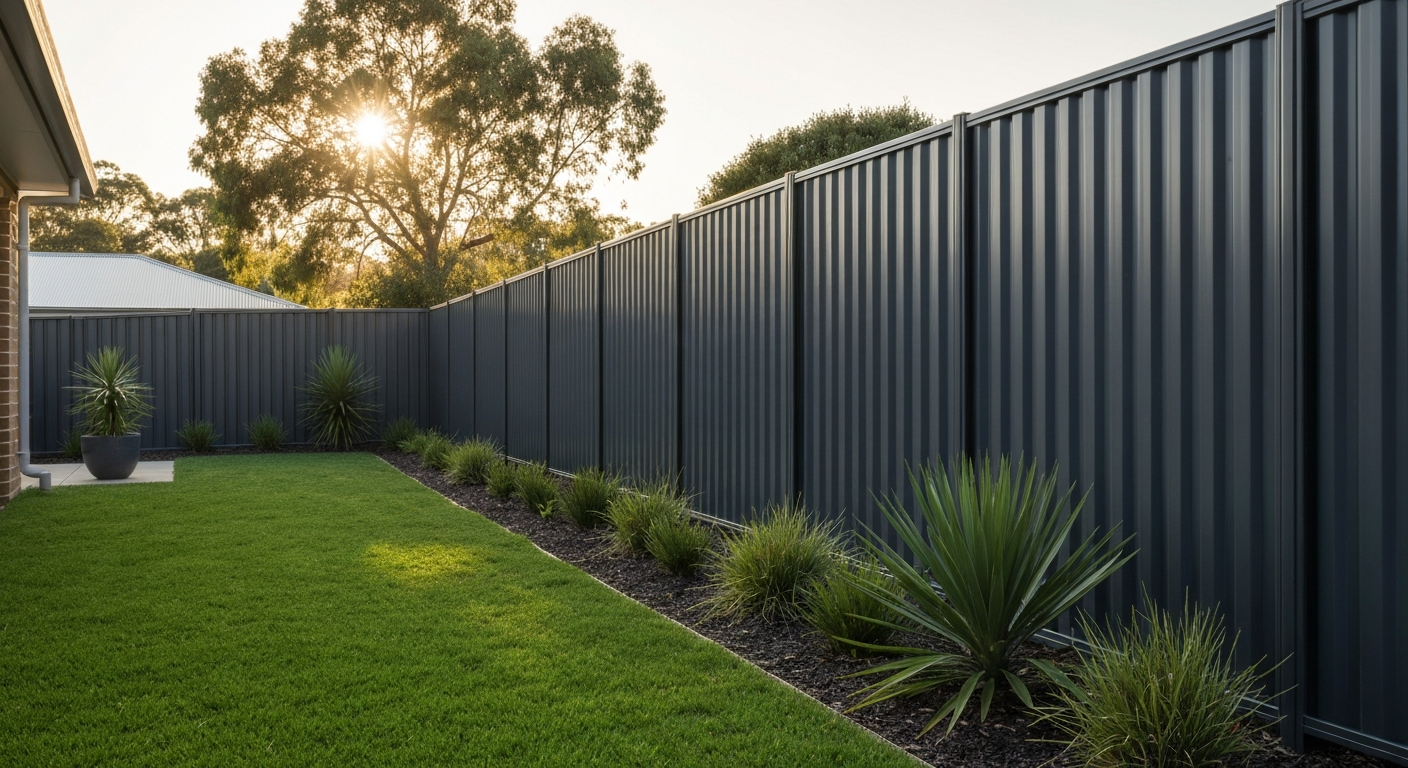
Fence Company Interaction You'll Love
The first time I employed a fence company, I treated it like a normal home task. I called, requested a quote, picked a style, and waited on the schedule to arrange it out. That was my blunder. Fence looks uncomplicated from the curb, but it's an entire chain of choices and information once you're standing in your yard looking at posts, gateways, slopes, and energy lines.
Communication transformed that job from stressful into actually satisfying. Not due to the fact that every person suddenly became joyful, but due to the fact that the best inquiries got the answer early, the strategy stayed visible, and we had a common understanding of what "done" implied. If you have actually ever before seemed like you were chasing updates, or you had no idea whether your fencing would certainly show up as promised, you already recognize just how useful great communication is.
This is a functional overview to the type of fence company interaction you'll love, with instances from what tends to fail, what often tends to go right, and just how to obtain your task moving without tipping on landmines.
The concealed truth behind "we'll call you when it prepares"
Fence job isn't a solitary event, it's a sequence. Products obtain validated, permits or rules get examined (depending on where you live), layouts get gauged, posts get set, panels go in, entrances obtain tuned, and last touches happen after everything settles.
When a fence company communicates well, you can see that series as it unfolds. When they don't, you obtain unclear messages like "we're servicing it" and afterwards absolutely nothing for days. The job still takes place, but you are left presuming what component is occurring, what could be delayed, and who is accountable for the next step.
A great pattern seems easy, however it matters a great deal: clear next actions, a practical timeline, and updates that match the stage of your task. You do not need constant text. You require messages that respond to real questions.
Here's the difference in between the two kinds of interaction I've seen:
One fence company told me, "We'll be out next week." That was true, but it didn't answer whether they were validating measurements, marking the design, or currently organizing install. It left me questioning what I ought to prepare, like removing the area, moving lorries, or making the yard accessible.
Another fence company sent a message like this: install day, arrival window, that would certainly get on site, what they would require from me that early morning, and where they would stage materials. They didn't overpromise, and they didn't bury information. By the time they brought up, I had not been clambering. I was ready.
Adventurous jobs really feel different. They have energy. You can sense the crew is positive since they have actually done their preparation beforehand, and your interaction is part of that confidence.
What "great communication" appears like in genuine life
People make use of the phrase "good interaction" to imply various things. For fence, I seek 5 functional signals.
First, they confirm measurements and assumptions before ordering or constructing anything. Fencing is ruthless. If you miss a line, it shows. If you choose a gate requires to swing a various direction after articles are set, that's costly. The very best fence company communication really feels proactive right here, like they're planning ahead about how choices influence construction.
Second, they discuss compromises, not just choices. As an example, privacy fencing height may be flexible relying on local guidelines, yet wind exposure can matter too. A taller panel can look fantastic, but it can also require more powerful post spacing or hardware modifications. A business that describes these things is steering you far from surprises.
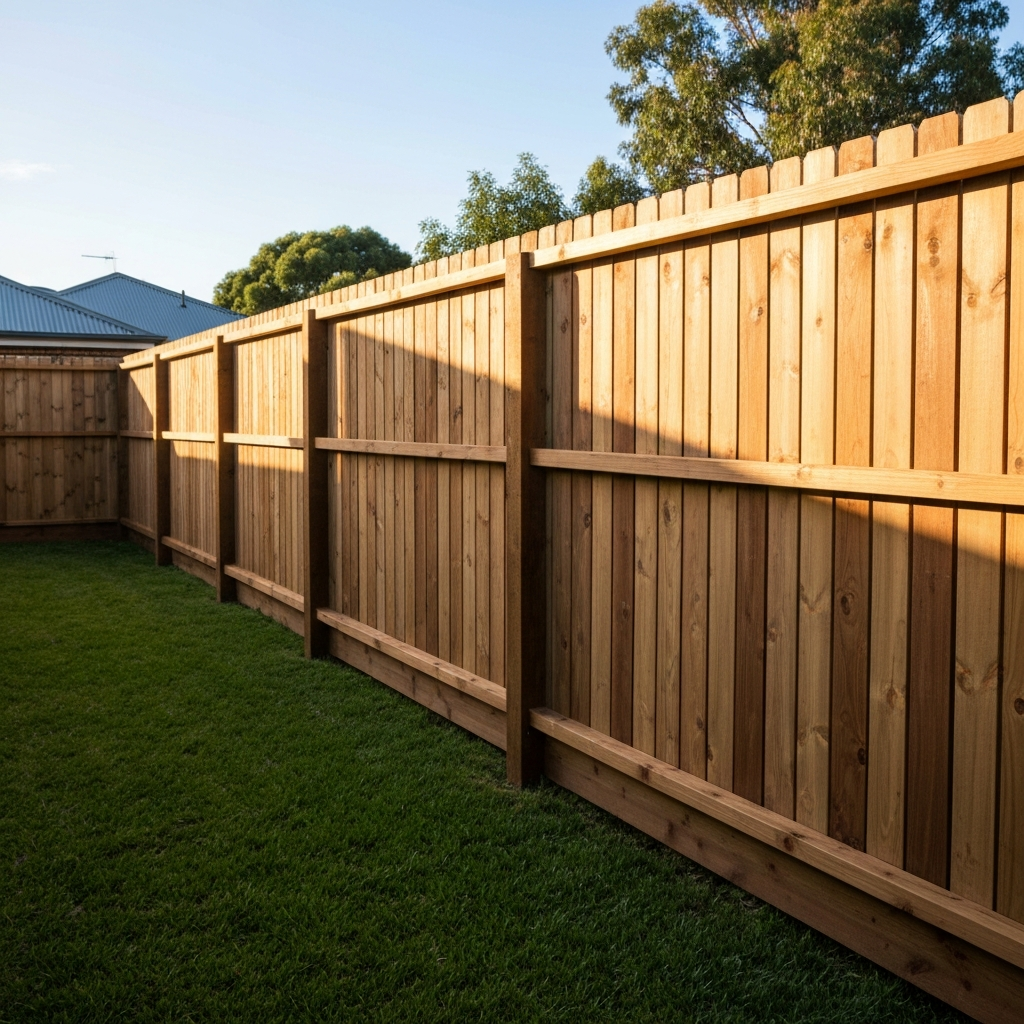
Third, they establish assumptions about weather condition and organizing. Rainfall does not constantly stop work, yet it can decrease certain phases, like post holes and concrete treatment times. A firm that connects likely delays similarly they communicate starting times is easier to trust.
Fourth, they communicate changes immediately, also if the modification is your very own decision. If you request an add-on, they should validate prices and how it affects timeline. If they uncover a condition on site, they must clarify the influence and deal alternatives rather than compeling a solitary path.
Fifth, they connect completion standards. You should recognize what "ended up" includes: gate latching, positioning checks, clean-up, and any touch-up paint or discoloration. The very best fence company communication consists of photos or documents after setup. Not to be remarkable, however since it shuts the loop.
The first call: where trust fund is constructed (or shed)
Your earliest discussion is when you're most likely to get a bland quote or a sleek sales pitch. That's normal, but you can still steer the discussion towards clarity.
I like to ask about workflow, since process exposes whether they build fencings for a living or just hustle leads. Questions like "How do you take care of measurements and design?" or "When do you note the fence line about the property?" draw the discussion right into the actual work.
A fence company that communicates well will answer with specifics, not unclear confidence. They might explain that they map the line, account for fences near existing structures, and confirm entrance placement prior to products are gotten. They may additionally describe how they deal with lawn inclines, fencings that require to follow home line adjustments, or areas with hidden challenges. The information aren't there to impress you, they're there due to the fact that this is how they stay clear of rework.
If a business avoids your inquiries, offers you broad responses, or talks just in advertising language, that's a signal. Respectable crews do incline your inquisitiveness. They've found out that clearness in advance conserves everyone time.
The day they come out: what you ought to anticipate to be asked
When a person pertains to your home for measurements or a layout review, you're getting in the "reality stage" of the job. You can not connect well without really seeing what you're building.
You must anticipate concerns regarding:
- existing fencings or landscaping attributes you want to keep or function around
- where the gates must be located and just how they must open
- whether you have pets, youngsters, or equipment that affects fence gain access to
- any well-known energy lines, sprinklers, or underground concerns
- how very closely you care about matching a neighbor's fencing line or preserving visual consistency
An excellent fence company does not treat this like a fast drive-by. They appear prepared to identify constraints, and they describe the plan while they work.
One point I've learned the hard way: do not presume the staff will certainly know your preferences for sightlines. If you desire the fencing to look straight from the street or you desire the leading rail straightened with a details existing limit, say it early. People forget those details because they appear noticeable in their heads. Communication turns "obvious to me" right into "documented and constructed that way."
A timeline you can actually use
Fence tasks operate on a timeline, yet it's not constantly a straight line. Products can take much longer, permits can slow down points down, and weather condition can impact treating times. Still, you want a timeline that you can intend around.
The ideal communication offers you a minimum of three timestamps: when they anticipate to finalize layout and dimensions, when set up is scheduled, and when the project will certainly be "ready for review," suggesting walk-through, punch list, and last cleanup.
If your fence company uses a timeline that has no space for real life, beware. Too-tight timetables can lead to rushed installs. Too-loose timetables without updates can lead to frustration.
A sensible approach is to ask about the "form" of the schedule. Instead of simply "when will certainly it be done," ask how they deal with hold-ups. If they say, "If climate presses the post setup, we still intend to finish panel installation however we adjust healing and lock in a new day for last gates," that's confidence with flexibility.
That's the communication style you'll love. It tells you they're handling the task like it has physics behind it.
Change orders are where communication matters most
Change orders don't constantly take place, however when they do, your experience can turn in any case fast. A great fence company deals with modification orders as a normal component of building, not as a confrontation.
Common modification factors consist of gate revisions, switching between designs after seeing sample boards in your lawn, adding a section for accessibility, or adjusting height to match privacy needs.
The secret is exactly how changes are communicated:
- You ought to get clear confirmation of what changed.
- You must recognize what it costs (or what it sets you back about the initial plan).
- You needs to recognize how it influences timeline.
Here's a short list I use when I'm authorizing modifications, since my mind intends to say "yes" prior to it totally refines information:
- confirm the exact place and measurements of the changed area
- confirm any equipment changes, like lock kind or gateway hinge orientation
- ask whether additional licenses are needed, if appropriate
- get an upgraded conclusion date or install strategy
- request a written summary so everybody is straightened
If the fence company can't give a created recap or keeps the information unclear, that's when I decrease. It's far better to ask two times than to think as soon as and spend for corrections.
Photos and updates: the difference between "signed in" and "kept in the loop"
I do not need a daily vlog from the set up staff. However I do anticipate updates that match the job stage.
During format, a fast photo of marked blog post locations assists every person. During the very first day of setup, a couple of images showing messages set straight and entrance openings aligned can stop misconceptions. After the fencing is up, you want photos that show the fence line, end caps, and any type of gates working with the best clearance.
Even a basic message like "We established messages along the front line today, entrances are staged for tomorrow" informs you the strategy is undamaged. If communication is delayed, even a brief description like "Concrete cure timing pressed us half a day" is enough. The trouble isn't the hold-up. The issue is the silence.
There's one more functional angle as well: images secure you. Not in a judicial sense, however in a useful sense. If you see a mismatch later on, you can reference what was constructed when.
Examples of communication that conserved me money
I have actually paid for fencings that looked wonderful yet cost more than they need to have, mainly due to the fact that we didn't align on details early. Here are the kinds of issues that good communication helps prevent.
Example 1: gate instructions confusion
In one yard, we initially settled on where the gate needs to be. We didn't totally verify which side the joints would sit on relative to the driveway and just how eviction would remove a nearby planter. A thoughtful fence company caught it during format evaluation. They flagged that eviction would certainly swing into a zone I required for trimming and that the lock placement would be awkward if we didn't rearrange the blog post. We readjusted prior to anything readied, and it saved us the price of rework.
Example 2: slope and message deepness assumptions
Another time, we bought based on the assumption that the fence line would certainly be "rather level." The yard wasn't substantially sloped, however the modification sufficed that the post depth and rail placement mattered. The fence company that communicated well clarified how they would handle it: they would certainly tip the imprison a way that still looked clean while ensuring appropriate structural security. Due to the fact that they talked with it before install, we really did not feel blindsided when the ended up fence really did not look like the straight-line photo from the quote.
Example 3: products showing up late, without drama
Once, a delivery was delayed by a couple of days as a result of variables outside their control. They really did not just claim "at some time." They gave a clear update on what they could do in the meanwhile, like preparing the design or completing areas that really did not call for the missing product. The interaction didn't eliminate the delay, but it stopped the task from becoming a stall.
Those outcomes really feel "adventurous," in the common sense: you're not stuck waiting in a grey area. You're relocating with the process.
How to talk about budget without transforming it right into a negotiation war
Communication needs to not turn into a consistent bargaining session. Yet budgets require guardrails. The challenge is phrasing, due to the fact that you can sound either careless or demanding.
Instead of asking "Can you do it more affordable," I prefer questions like "What choices most impact cost in my situation?" That opens a constructive discussion concerning options that really matter.
A fence company can discuss cost chauffeurs like:
- material grade
- rail and article spacing
- gate design and hardware
- whether you require added labor for irregular surface
- whether removal of existing fence is included or not
If they communicate well, they can show you where costs gets resilience or where it's mainly cosmetic. Occasionally the very best value isn't least expensive timber or most standard plastic. It's the right message spacing and appropriate installment so the fencing does not change in the very first year.
Budget conversations go smoother when they concentrate on the job's result, not your urgency.
The tiny details that become large when interaction is sloppy
Fence tasks have a handful of information that seem minor till you're looking at them on a daily basis. Excellent interaction treats these as essential.
For instance, ask how the firm handles:
- fence line offsets from property boundaries, if that's relevant
- how they deal with existing trees or origins near planned messages
- cleanup standards, like eliminating particles, scuffing up concrete remnants, and leaving gateway areas clear
- how gateways are leveled for locking and just how clearance is measured
One firm I worked with once assured me cleaning would certainly be "extensive." It was, however they used "extensive" in their own language. I later recognized they had not included carrying away some old material, although it was part of the cleaning assumption. It had not been harmful, it was simply ambiguous. The fix would have been clearer range communication.
This is why created clearness issues. You do not require a lawful document, however you do require ordinary language that matches what you anticipate to see when they leave.
Questions you can ask that typically obtain genuine answers
If you want interaction you'll actually appreciate, ask questions that compel specificity. The firm's actions expose whether they intend well.
You can ask points like:
- "How do you confirm the fence line in the area, and do you note it prior to buying?"
- "What takes place if problems change after the design is accepted?"
- "Just how do you deal with entrances, like latch elevation and clearance for the surface area?"
- "Do you consist of clean-up and haul-away, and can you explain what it looks like?"
If you get answers that consist of process details and what you will certainly see on site, you remain in excellent hands.
If solutions remain common, you may be handling a company that relies upon you to capture gaps. Those projects can still succeed, yet your experience will depend heavily on you staying on top of whatever, and that's tiring.
Communication throughout install: the tone of the crew matters
There's a difference between "expert" and "pleasant." I'm not requesting for required friendliness. I want quality and respect on site.
When a team gets here and interacts like they're taking care of a build, you feel it. They could introduce themselves, mention where products will certainly be presented, and describe what they'll do initially and why. They might likewise clarify safety expectations, like keeping youngsters and animals far from active message holes.
If the staff is uncommunicative or appears aggravated by fundamental inquiries, that's not instantly a deal-breaker, but it influences your capacity to capture issues early. Fence is easier to readjust when it's still a structure. Communication makes those very early adjustments possible.
A second list, for your very own sanity
Here's the lightweight "remain aligned" checklist I maintain for the day of setup. It's not implied to micromanage, it's implied to stop misconceptions when you're busy and they're functioning fast.
- take a quick photo of the marked layout prior to job begins
- confirm the gate place and swing direction before messages are set
- ask for a brief walk-through of just how they'll handle slopes or uneven ground
- note any worries right away, before concrete collections or rails are installed
- request a last walk-through for latches, placement, and cleanup
If the firm rolls their eyes at this kind of interest, that's a red flag. A positive, arranged fence company welcomes alignment.
When interaction falls short, below's how to recover without shedding trust
Sometimes the interaction isn't wonderful. Perhaps updates are late, actions are slow, or your phone call obtains rerouted. You still have choices besides overlooking it or escalating immediately.
The recovery method I such as is easy: request a standing and a plan in one message.
You can say something like, "Can you validate where we remain in the procedure, what's occurring next, and when you'll be able to arrange the next action?" That turns an unclear stress into concrete task management.
If they can't provide a clear solution, you can ask that the factor individual is and how they prefer updates. Some crews utilize message for fast organizing and email for formal confirmations. Some rely on a coordinator. Your job is to jump on the very same channel.
If the fence company absolutely battles to communicate, you could consider stopping decisions till you have clearness. You do not need to be confrontational, you have to be precise.
Most jobs do not collapse because of one missing update. They unravel when misconceptions accumulate and assumptions go unchallenged.
The relationship you're constructing, not simply the fence you're buying
A fencing isn't just an obstacle. It's personal privacy, limits, safety and security, and everyday regimens. It changes exactly how you feel in your backyard. When communication is great, you get another thing as well: you feel consisted of in the build.
That suggests you're not simply waiting on a fence company to appear. You're actively forming the end result through choices that make good sense in your area. You're not guessing about timelines, and you're not shocked by the finish high quality. You know what to expect, and the staff knows what matters to you.
If you want a secure fencing job that really feels adventurous in the most effective way, go for the type of interaction that develops energy. Messages that match the stage of the job. Verifications that lower surprises. Updates that value your time.
The fence itself will certainly represent years. The interaction ought to be equally as strong, improved clearness, honesty regarding constraints, and a willingness to respond to inquiries prior to they come to be problems.