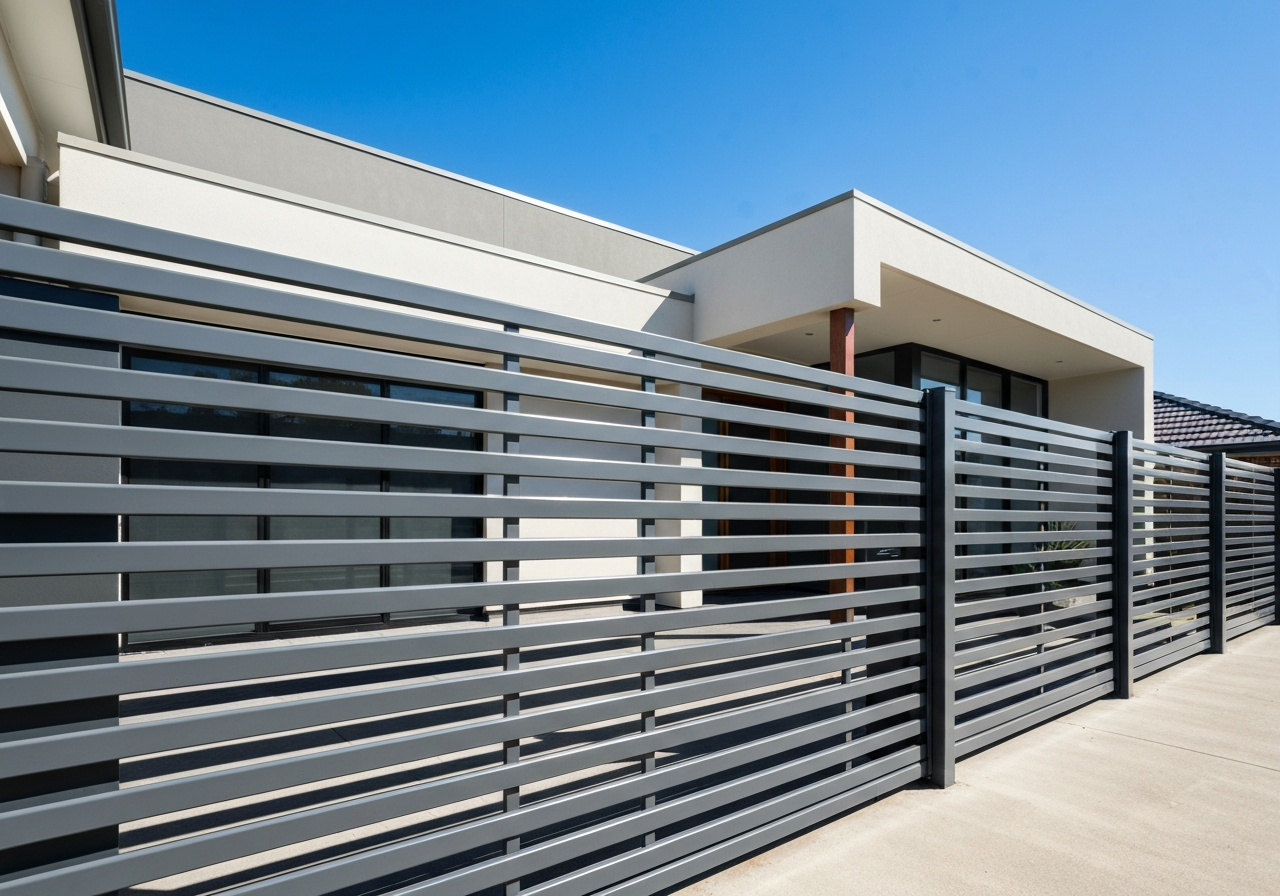
Dog-Friendly Fence Company Options
There's a certain audio a pet makes when they've discovered a boundary worth screening. It's not barking, not exactly. It's even more like resolution covered in nails on pavement, the quick patter of paws toward a spot where the fencing appears to "finish" also when it does not. If you have actually coped with that type of energy enough time, you stop imagining fences as lines on a survey map. You begin treating them like living systems: something that has to stand up with digging, leaping, seasonal activity of soil, and the daily routines of sniffing.
Choosing a dog-friendly fence company is where that state of mind becomes sensible. The ideal contractor helps you select materials and information that match your dog's routines, your building's shape, and the truth of your spending plan. The incorrect one can still mount something that looks penalty from the road while quietly falling short at the precise weak points your pet dog will certainly obsess over.
Start with your pet dog, not the brochure
Every "dog-friendly" fencing pitch at some point becomes the exact same questions, yet it helps to inquire in such a way that results in decisions.
Is your dog a miner or a mountain climber? Do they run the fencing line like it's a route map, or do they park near one corner where the lawn feels most exciting? Are they inspired by birds and squirrels, or by other pets who occur to stroll beyond? If you've enjoyed them speed at the fencing for ten mins, you're already gathering evidence.
When I've assisted friends think through this, the most significant unlock is finding out which failing setting they're developing versus:
- Small voids end up being "authorization slips" for a dog that fits through.
- Loose bases invite digging and undercutting.
- Weak upright rails end up being grips for a jumper.
- Slats that look safe to people can still be pressed apart by relentless noses.
A fence company that inquires about these actions early is usually better than one that just quotes the most inexpensive material.
The three most typical fencing troubles for dogs
A good setup is much less about the panel itself and a lot more regarding the details around it. A lot of dog leaves I have actually seen beginning in foreseeable places.
First, the bottom edge. Also a fencing that looks solid can leave a narrow course underneath if the ground isn't degree or the soil shifts with time. Canines do not need a huge opening, they need a single powerlessness and a minute of traction.
Second, edges and gateways. Corners are where tension focuses. If a gate locks somewhat off degree or a hinge pulls under load, the gap can be unnoticeable to you but evident to your canine's head and paws. Many owners only observe after the first attempt, which suggests the system has actually already been stress-tested by teeth and momentum.
Third, the "exactly how high is high" question. A fence that satisfies elevation demands for people is not necessarily high enough for your specific jumper, specifically if the dog can get utilize from landscape design, a patio area step, stacked fire wood, or a thick spot of grass that makes an easy launch pad. I have actually viewed a canine jump greater just because a person parked a wheelbarrow inside the lawn for two weeks. That kind of thing matters.
Materials that often tend to function well for dog containment
Different pet dog traits set better with various fencing kinds. You don't require to go after the fanciest alternative. You require something your pet can not make use of quickly and you can maintain without consistent repairs.
Wood personal privacy with the appropriate gaps and lower control
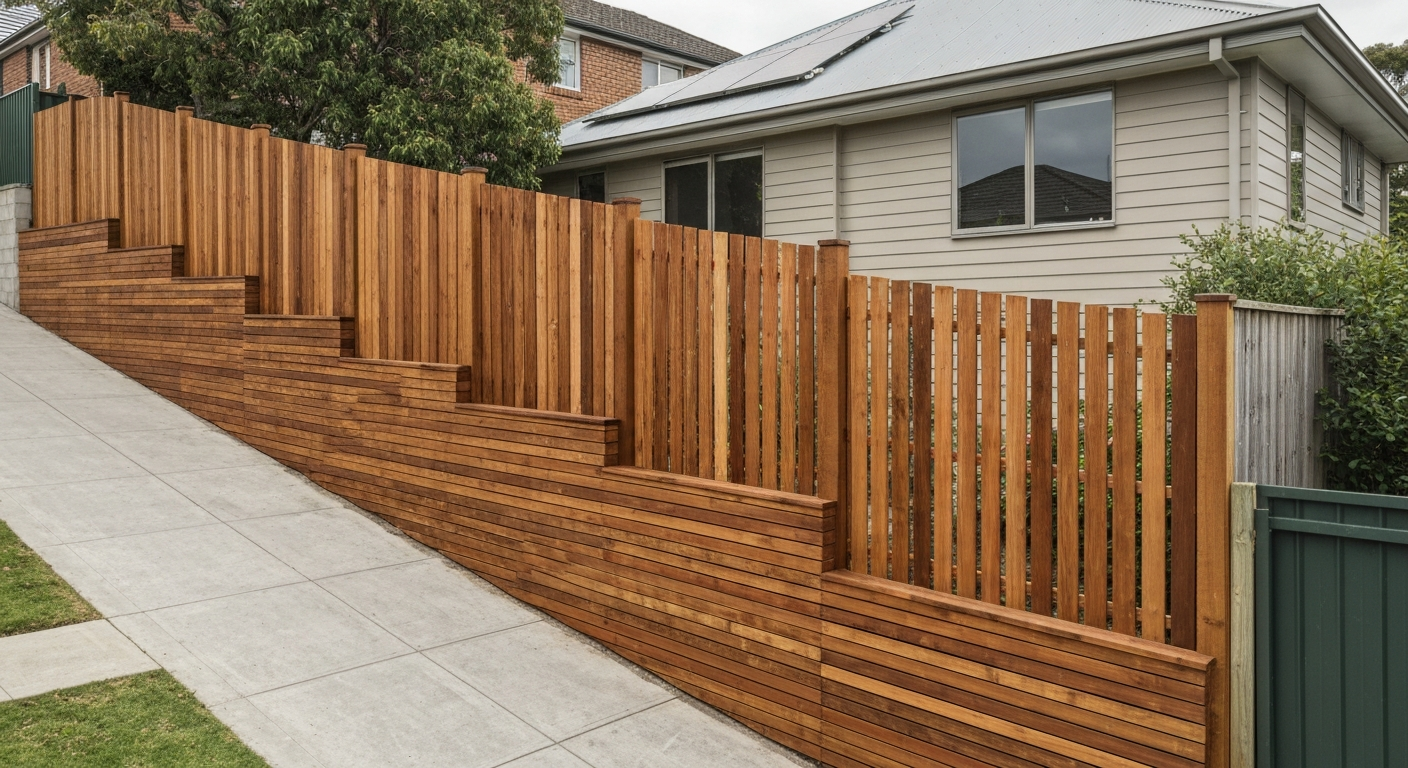
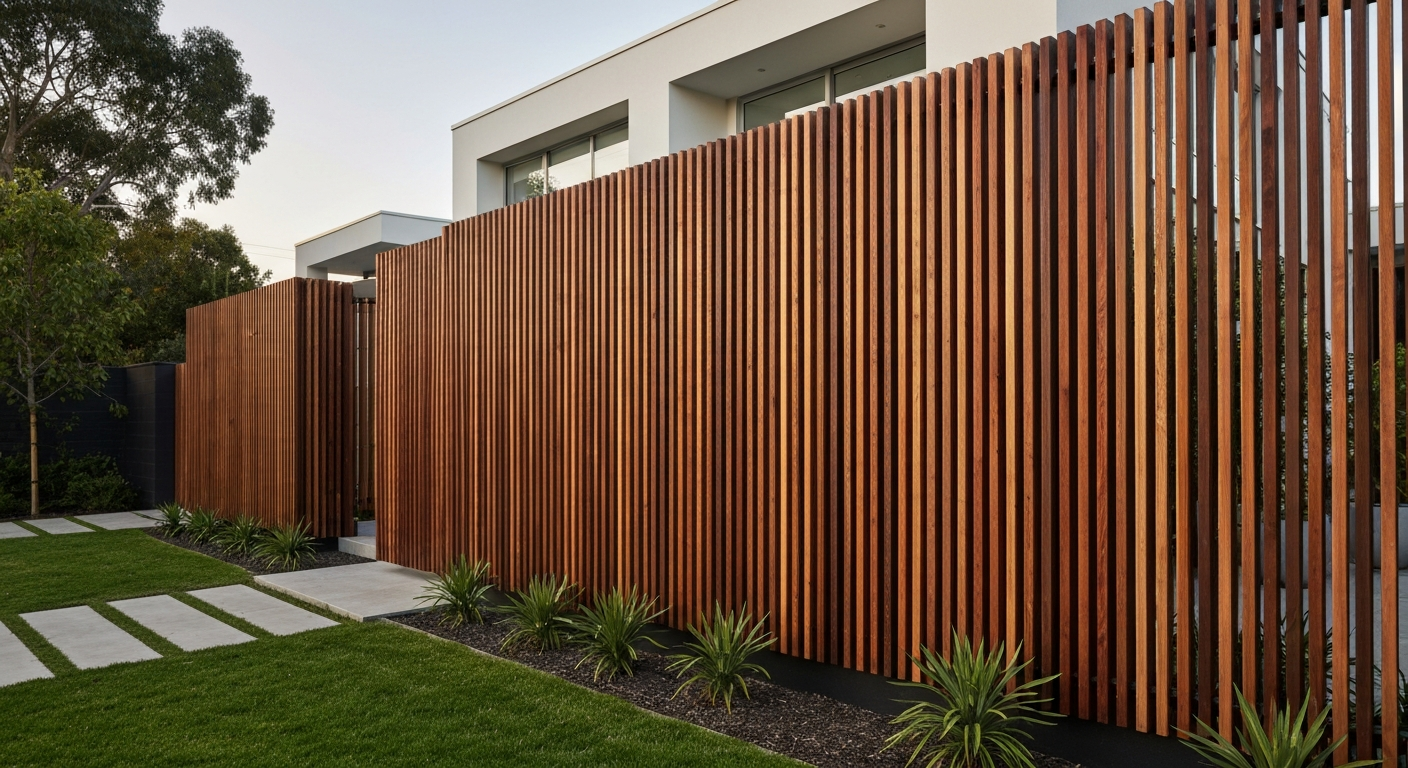
Wood personal privacy fences can be a terrific match for pet dogs that are a lot more curious about staying out than climbing through. Solid boards lower visual stimulation, which decreases fence pacing for many pet dogs. The catch is that timber needs careful spacing, tight nailing, and excellent base securing. If boards are spaced as well extensively, determined noses can discover courses. If the bottom clearance is generous, undercutting becomes a project.
I like timber fences where the installer is thinking about the dirt and the future, not just the day of installation. A fencing that's developed with a suitable bottom obstacle and a prepare for unequal grade generally ages better, also if the preliminary appearance is similar throughout bids.
Chain-link with extra security for diggers and climbers
Chain-link is typically praised for visibility and toughness. It can additionally be a strong choice for pets that do not stress over shapes. Yet chain-link includes its very own collection of vulnerabilities. If a canine can press its head via an opening, or if the lower line is prone to digging, the fencing comes to be a ladder or a runway.
In my experience, the winning version of chain-link for pets includes support where pet dogs function hardest: sturdy line blog posts, tensioned textile properly protected, and a lower approach that doesn't leave a very easy channel under the mesh. Some homes also take advantage of an upper deterrent if you have a mountain climber. A dog-friendly fence company ought to want to speak about these upgrades without acting like they're unusual.
Vinyl privacy with steady support
Vinyl can stand up well in several climates, and privacy styles lower disturbances. The main question for pet dog containment is not whether vinyl looks clean. It's just how it's set up around edges, gates, and ground abnormalities. Plastic posts and rails still need solid anchoring, and the panels still need to be aligned so they do not develop "creep paths" at edges.
Also, plastic expands and agreements with temperature level. A fence company should account for that in installment details so the fence doesn't progressively loosen where your canine tests it.
Wrought iron and the "dive and capture" reality
Wrought iron can be gorgeous and durable, and it's difficult for several pets to abuse. Yet iron styles with straight components can sometimes offer a climber something to utilize. And for dogs that are very tiny or really established, the spacing can be enough to squeeze with if the fit is right.
If you're dealing with a canine that leaps or makes use of energy, the iron design matters as much as the material. A dog-friendly fence company must show you exactly how spacing and completing choices influence a canine's leverage.
Gates: the overlooked weak point
People consider panels since panels are what pictures well. Gates are what your pet communicates with numerous times a day. A gate is the hinge, latch, and positioning system all in one. If a gate swings somewhat and resolves after a stormy stretch, a gap can develop. If the latch isn't readjusted right, it might remain "nearly shut" in such a way that's invisible to people up until the first escape.
When examining options with a fence company, inquire about the gate plan in simple terms. Just how will the gate be kept lined up on unequal ground? What equipment is used, and is it ranked for the gate's weight? Exactly how is the lock positioned so it does not drift as the timber or posts settle?
If your residential or commercial property has an incline, gates are entitled to added focus. Gravity works on you and your pet equally, however your pet dog uses even more force.
Bottom obstacles for diggers, joggers, and opportunists
If you've ever before seen a pet dog paw at the ground under a fencing like they're looking for buried treasure, you currently understand that "fencing elevation" is just half the tale. Under-fence control is the other half.
Common strategies include tighter lower clearance, installing an obstacle along the base, or making use of support products made to stand up to digging. The best selection relies on your dirt and how your pet digs. Some pets scrape simply put bursts and get bored. Others enter into a continual excavation mode, functioning a particular place till they discover a tunnel.
The "daring" part of pet dog ownership is that shocks happen. Soil kinds shift. Freeze-thaw cycles can loosen a base. Lawn expands over an edge you suggested to keep noticeable. A fence company that chats via just how they will attend to undercutting without transforming the yard into an irreversible building and construction site deserves prioritizing.
Tracking abilities: exactly how to spot a fence company's real competence
You can discover a lot before they ever before put a message in the ground. Not from their advertising. From the inquiries they ask, the means they determine, and the choices they push.
Here are signals I pay attention to:
- Do they inquire about the canine's habits, or do they only inquire about aesthetics?
- Do they talk about gate positioning and lower control, or do they concentrate on fence type alone?
- Are they comfortable discussing trade-offs, like why a certain board spacing can matter for little dogs?
- Do they clarify how they deal with irregular ground, edges, and shifts to existing structures?
A builder that seems flattered by your budget plan but worried about your problems is a danger. Fencing job has to do with long-term performance. Your pet will discover the weak spot, so the job requires to be constructed around that likelihood.
Budget: where cash assists and where it does n'thtmlplcehlder 98end.
It's tempting to chase the most affordable bid, especially if the yard feels immediate. But pet dog containment isn't a location for "inexpensive and hope." The technique is spending where it stops failings as opposed to where it develops a better aesthetic view.
Money has a tendency to matter most in:
Materials that withstand eating or pressure, relying on your pet dog. Mount quality around the fencing line, particularly bottoms, corners, and entrances. Hardware and reinforcement that keeps alignment over seasons.
Money is much less most likely to matter in simply aesthetic information if your pet dog never ever sees them. Privacy panels, decorative caps, and surface area finish can be nice, yet they do not stop damaging by a determined digger. If your canine's main leisure activity is fencing line getaway, focus on the containment details first.
If you're contrasting quotes from different fence company alternatives, request specifics rather than overall cost. You want to understand what they're in fact constructing. "Costs materials" suggests little if the installer prepares to leave a generous gap at the bottom.
Examples from real-world lawn problems
A close friend of mine had a tranquil pet dog with a solitary obsession: the corner near the neighbor's walkway. The remainder of the fencing looked unblemished for weeks. We viewed the pet for an hour and saw something important. Each time a person passed near eviction side, the dog ran to that corner and tested the base. Eviction itself stayed closed, the middle panels looked excellent, but the corner had a minor opening where the fence satisfied the ground.
They changed the corner information and added a lower barrier. The canine quit attempting. No dramatic redesign, just a modification at the real failing point. That's why behavior-first planning beats common recommendations.
Another next-door neighbor had a jumper, not a miner. They installed a fencing they liked, yet it didn't consist of any type of support on top and the posts were not spaced in a way that protected against small flex. The canine made use of the fencing line like a moving system, touchdown and pressing off repetitively until the mesh or slats loosened.
The solution was various, extra concerning framework and rigidity than concerning blocking the ground. In both cases, the fencing itself was not the only variable. The dog's design of escape identified which upgrades deserved paying for.
A quick yard-and-dog fit check
Before you authorize anything, it assists to do a rapid evaluation that turns uncertainty into functional needs. Use this as a discussion starter with your fence company.
Write down the answers, also if they're rough. An excellent fence company will certainly take your notes and help convert them into a useful design.
Materials contrast that actually reflects dog behavior
Below is a simplified take a look at how common fencing types often tend to carry out for various pet habits. Your building and dog still win the debate, yet this gives you a starting factor for questions.
|Fence kind|Best suitable for|Typical vulnerable points to deal with||-- |-- |--|| Wood personal privacy|Fencing pacing, pets that dislike browsing|Base clearance, board spacing, corner shifts|| Chain-link|Long lasting control, pets that don't stress at silhouettes|Bottom digging paths, loosened tension, weak edges|| Vinyl personal privacy|Personal privacy and aesthetic barrier, stable containment|Post anchoring, alignment near gateways and grade changes|| Wrought iron|Durable obstacles, pet dogs that do not climb|Horizontal utilize for climbers, spacing for lap dogs|
If a fence company attempts to guide you towards a "one dimension fits all" product without talking about these weak spots, that's a red flag.
Permits, obstacles, and the reality of lines on paper
Fence policies can differ a lot relying on where you live, and also whether you're managing a boundary line, an HOA, or a home near easements. Setbacks can influence how high you can develop and how close you can install to a line. Some areas need permits for sure fencing elevations or for fences that sit near public space.
I'm not going to make believe everyone can browse this alone. A credible fence company typically deals with the practical side, or at least understands what documents is frequently required. Still, it's wise to ask who is responsible for permits and inspections. If something goes wrong, you desire quality on whether the contractor is assisting the procedure or hoping you will certainly figure it out after the fact.
How to evaluate proposals without obtaining lost
When you request quotes, the temptation is to contrast the total number and carry on. Instead, contrast what you are in fact buying.
Ask for:
- The fencing kind and height.
- How the fencing will be mounted on uneven ground.
- Gate equipment details and how alignment will certainly be maintained.
- Bottom strategy for excavating and undercutting.
- Material thickness, message spacing, and support at anxiety points.
You're not attempting to out-engineer the installer. You're attempting to make sure the design matches your dog's retreat style. A pet dog that digs does not respect decorative caps. A canine that climbs does not appreciate a smooth top rail if the blog posts flex.
Installation day: what you can see for
Even if you're not helpful, you can observe whether the work is careful. The very first day issues. Articles set the future shape, and excellent fencings start with great measurement and layout.
I like to look for consistent article spacing, strong supporting throughout building, and focus to the line at corners. On unequal backyards, a thoughtful installer won't act the ground is flat. They adjust the strategy so the fencing line remains protected and the bottom side does not develop new gaps over time.
Also expect gate fit. A well-installed gateway ought to close strongly without needing force. If you find yourself pushing it right into placement, that's an indication the lock might drift later, particularly with temperature level changes and dirt movement.
Maintenance: the component people forget
Dog-friendly control does not mean "no maintenance." It implies upkeep that does not spoil your life.
Wood fences usually require occasional checks: loose boards, damaged sections from a canine that panics and goes for the fencing, or areas where the bottom side has actually changed. Vinyl can need less frequent repairs, however it still requires examination at joints and entrances. Chain-link could require stress modifications if the fence line experiences anxiety. Wrought iron needs rust checks and finishing touch-ups if your environment is difficult on metal.
The best fence company alternatives are the ones that treat maintenance as part of the strategy instead of an afterthought.
Choosing the right "fit" for your lawn's adventures
Dog-friendly fence is not about transforming your residential or commercial property into a fortress. It has to do with providing your canine secure liberty without requiring you into consistent supervision. That equilibrium is what makes the decision really feel enjoyable as opposed to stressful.
If you have a dog that checks borders in foreseeable ways, the job becomes a layout problem. Your pet dog's character is the major variable, your yard's shape is the 2nd, and your upkeep resistance is the third. A fence company that can speak with those 3 variables with confidence is building greater than a fencing. They're building your trust.
So when you request for quotes, don't just ask what they can construct. Ask what they can defend. Ask where failures normally occur and how their style avoids them. Then, match the fencing to your pet dog's most likely moves, not your next-door neighbor's configuration or a generic recommendation from a brochure.
Once the fencing is done right, the very best moment is peaceful. No pawing at the base, no frantic edge runs, no enigma gaps. Simply a backyard that seems like it comes from your pet, with the type of limit that doesn't ask you to chase it every day.