
Safety Illumination and Fence Assimilation Tips
A fencing does a lot of peaceful job. It defines limits, slows down unauthorized accessibility, and acquires you time. However safety illumination is what tells you what that fencing is doing at 2:17 a.m., not simply what it appears like in daylight. The error I see frequently is dealing with the fencing and the lights as different tasks, with separate installers that never contrast notes on articles, wire runs, placing elevations, glare control, and what really takes place once the community's dark corners start talking back.
When safety illumination and fence are integrated well, you obtain a system. When they are bolted on later, you obtain dead areas, vandal-prone devices, and cable paths that will not survive the following fence repair service. Below are the sensible, field-tested tips I use when working with lighting with secure fencing, whether you're hiring fencing contractors, a fencing company, or functioning as the point individual yourself.
Start with the "task the lights need to do," not the fixtures
People shop fixtures initially. That is usually in reverse. Components are just the hardware. The goal is the sightline and discovery zone you want.
On a normal border, your essential question is basic: where do you require a person to be noticeable soon enough for a cam to catch information, for you to discover, and for feedback to take place before they are gone? Lighting is not just concerning brightness. It is about where the light come down on surface areas that matter, like entrance sides, lock areas, and the very first line of fencing blog posts where somebody would naturally pause.
I have actually been on websites where the backyard looked "intense" from the road, yet the fencing line itself was rinsed. A cam can battle when the history is equally intense, because the subject does not stand out. The far better technique is usually regulated lighting at the fence plane, with enough comparison so a moving individual is understandable versus the background.
An easy way to consider it is this: you desire illumination that sustains identification, not simply lighting that transforms night into day. "Daylight" lighting can make safety and security even worse by flattening detail and enhancing glow in the camera lens.
Plan wire routes like you intend the fence line
If you have actually ever before watched a fencing contractor drill via avenue locations that were presumed, you understand the pain. The very best lights combination happens when every person settles on where power, low-voltage circuitry, and data cords will certainly live prior to any kind of articles go in.
The fencing is an architectural rhythm. Blog posts produce repeating anchor factors. Rails and pickets produce duplicating voids. Gates present movement and various anxiety factors. Illumination cable televisions and avenues must value that rhythm rather than combat it.
In technique, I suggest mapping routes in 3 layers:
This is where sychronisation with a fence company or a skilled fencing company matters. Some specialists are great at aesthetic appeals, but they deal with electrical as a separate scope. If you work with a fencing contractor that has never paired lights with fence, ask details inquiries concerning channel directing, knockouts, and how they deal with remodel when a trench is found to be also near a footing.
Choose mounting locations that endure maintenance and vandalism
Lighting fixtures fail in the areas you the very least want to review. Dampness invasion, loosened seals, and fractured lenses take place due to the fact that water can enter, and due to the fact that equipment obtains overturned time.
On fencings, I such as locations that are:
- Protected from straight impact, like installing behind a railway rather than sticking out right into strolling paths.
- Not resting where a staff will unavoidably grab a trimmer, lawn sprinkler head, or gate lock during regular work.
- Easy to gain access to for cleaning without removing fencing sections.
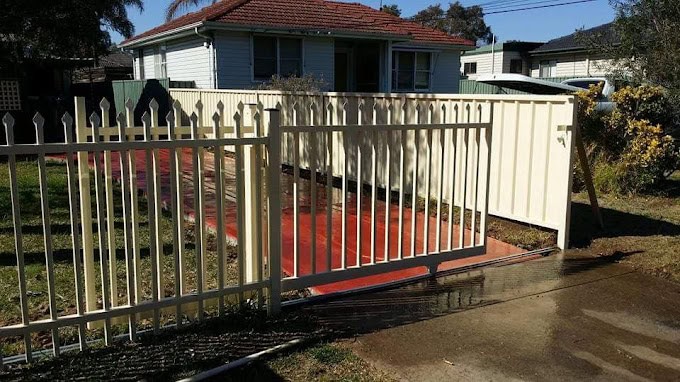
If you're installing onto the fence itself, think about the fencing's lifespan. Timber fencings broaden and contract. Steel fences can send resonance. Plastic fencings can be unrelenting for bolts if you drill in the wrong place. The mount should match the fence material, not simply the fixture.
One website educated me this by hand. A property owner accepted attractive wall-pack style lights undecided posts. Within a year, the glass lenses were cloudy due to the fact that watering overspray landed straight on them, and the fixture guards were not secured well. The fencing stayed best, but the illumination ended up being dim and inconsistent. The solution was not just changing components. It was moving them and adjusting the fixture objective and seal points so water flow really did not pool on the lens.
Get the height right, then aim for contrast
Height affects both discovery and glare. Too reduced, and you obtain darkness from gateway hardware and fence pickets. Expensive, and you may light the sky or clean the tops of articles, leaving the mid-height where somebody would stand to be partly hidden.
Instead of guessing, do a straightforward examination before completing. If you can, temporarily place a fixture at your recommended elevation and angle and view what it does on:
- Fence blog posts and rails
- Gate joints and latch area
- The ground right in front of the fence, since that's often where electronic cameras require visibility
I have actually found that fence-mounted lights often need a somewhat downward aim contrasted to wall-mounted lights on a house. House wall surfaces can serve as shielding surfaces. Fence lines do not shield a lot, so light spreads a lot more. That can be a good idea for cameras if you regulate glow, however a bad thing if your electronic camera is aimed at shiny metal or shiny surfaces.
If you have neighbors close by, you likewise require to attend to spill light. Protection lights that frustrates every person has a tendency to obtain changed or switched off. A well-aimed component can be much more efficient also when it is not as intense on paper.
Use the right lights kind for fence security
Lighting choices generally fall under a few pails: flood style, wall-pack style, and area lighting that might be aimed towards particular zones. Each acts in different ways when placed level of fencing posts.
Flood and location fixtures can be powerful, yet they can develop glare and light spill if you aim them also broadly. Wall-pack style components can be much less aggressive, but you have to ensure they still cover the discovery zone at human height.
The most reputable setup I have actually seen is when the light protection overlaps with the camera's field of view. That appears apparent, yet many systems fail since the video camera proprietor and the lights installer are not checking out the exact same map. If your video camera is sharp a little far from the brightest zone, you may assume the lighting gets on, while the electronic camera is still "blind" to the important moment.
Also, take into consideration just how the light behaves throughout poor weather condition and dirt. Some component housings air vent in ways that allow fine particulates to build up on lenses. That lowers result slowly. Intend on gain access to and cleaning, specifically if the location is near building and construction or dirty roads.
Integrate entrance illumination early, since gateways are the weak point
Gates are where task happens. If someone desires in, they check the gate first. If you light the fence line however disregard eviction mechanics, you often miss the most important information: pivot motion, lock setting, and whether an individual is actually attempting to force entry.
Gate lights has 2 unique difficulties. First, gateways relocate, so circuitry and installing need to suit motion. Second, gate locks and locks demand visibility without blowing up reflective surfaces that can puzzle exposure.
A sensible strategy is to treat gateway lighting as its own mini-zone. Choose where an individual's hands would certainly be when they come close to. Goal light so latch locations are plainly noticeable from the cam angle. Stay clear of lights that creates a bright area directly behind the gate, since that can silhouette an individual and flatten their face details.
If you're making use of a fence company that builds custom-made gates, ask whether they can collaborate fixture placing factors and electrical wiring courses before construction. It is a lot easier to develop networks for circuitry right into the gate assembly than it is to retrofit after eviction is installed.
Coordinate controls: movement sensing units are handy, but know their limits
Many homeowners enjoy motion-activated lights due to the fact that they conserve power and really feel receptive. But motion sensors can additionally introduce discouraging hold-ups or missed out on insurance coverage depending on the sensing unit positioning and discovery pattern.
On perimeter fencings, movement sensing units sometimes discover shadows initially, or they trigger on family pets, passing cars, or relocating tree arm or legs. The outcome is a flood of light that does not represent the moment somebody climbs up, or lights that never ever cause when you require them most.
A much safer approach is to deal with controls as a split system:
- Steady low-level lighting that preserves baseline visibility.
- A higher output activation when something relocates near the fencing line or gate.
- Cameras utilizing their own setups to prevent overexposure when lights spike.
If your system consists of electronic cameras, validate the camera exposure technique during brilliant activation. Some cameras lose information when the light turns on suddenly. That is not an illumination problem alone. It is an assimilation issue. Talking with camera setups with whoever is installing the security system can protect against an expensive cycle of "attempt it, adjust it, repeat."
Choose hardware that matches the fencing material and the local environment
Materials transform the guidelines. Timber, plastic, chain web link, aluminum, and decorative steel each respond differently to boring, mounting stress and anxiety, and corrosion. If you neglect that, you might obtain a beautiful set up that fails early.
For outside illumination on fencings:
- Expect condensation inside components in humid climates. Pick fixtures with ideal sealing and venting design.
- Assume freeze-thaw cycles will emphasize mounts, especially on wood posts.
- Plan for corrosion if you are near salt air or areas with heavy de-icing chemicals.
This is where a good fencing contractor gains their pay. They comprehend just how an offered fencing kind manages drilling and fastener tons. If the fencing company that mounted your fence will certainly not coordinate component placing, you might still have the ability to work with them to prevent damage, but you must not improvisate placing points yourself.
When you do the job right, the illumination enters into the fence's maintenance plan. When you do it wrong, you create new failing points that require consistent attention.
Don't create cable television courses that assure future damage
Most boundary illumination troubles appear months later, after some normal maintenance happens. A next-door neighbor's leaner line goes across a cable television. A fence repair service requires to change a post and reduces an avenue. A gateway change changes alignment and pulls a wire.
The fence line need to not be a delicate network. It must be durable enough to manage replacement.
Some protective routines are worth adopting:
- Use conduit where useful, specifically if cable televisions run near areas most likely to be trenched again.
- Avoid running wires where future fencing hardware will certainly be removed.
- Leave an upkeep slack loophole where local code and best practice allow it.
You do not need to overbuild whatever, yet you do require to prevent "soft courses" that depend on the exact placement of future fence work. I've seen circuitry linked loosely beside a post. It looked fine at installment. After that a fence contractor changed the article during a tornado and clipped the cable bundle. The homeowner condemned the lights. It was really the transmitting and slack method that caused the failure.
Set up a lights and camera test before last sign-off
The most professional safety installs include an examination period. That does not have to indicate expensive equipment, but it ought to consist of real-world observation. I like testing on three evenings when possible: one completely dry night, one light weather night, and one with nearby reflective conditions like damp pavement or intense streetlights.
During screening, check:
- Are faces understandable at the expected distance?
- Do lights activate when someone approaches the gate and fence line?
- Do you get glare in video camera lenses?
- Does the illumination spill right into windows where it will certainly create complaints?
A cool method is to stroll the detection zone on your own, if safety and privacy allow. Enjoy where you end up being noticeable and where you disappear behind fence shadows. That assists you recognize whether your trouble is brightness or positioning and aiming.
If you are collaborating with a fencing company that additionally coordinates safety and security hardware, insist on this examination before everybody leaves. When the ground cover, landscaping, and fencing trim are completely ended up, adjustments obtain expensive.
Hiring the appropriate individuals matters greater than many home owners expect
You can purchase great fixtures. You can even acquire great video cameras. But if the fencing contractors and the lighting installer are not lined up, the system will underperform.
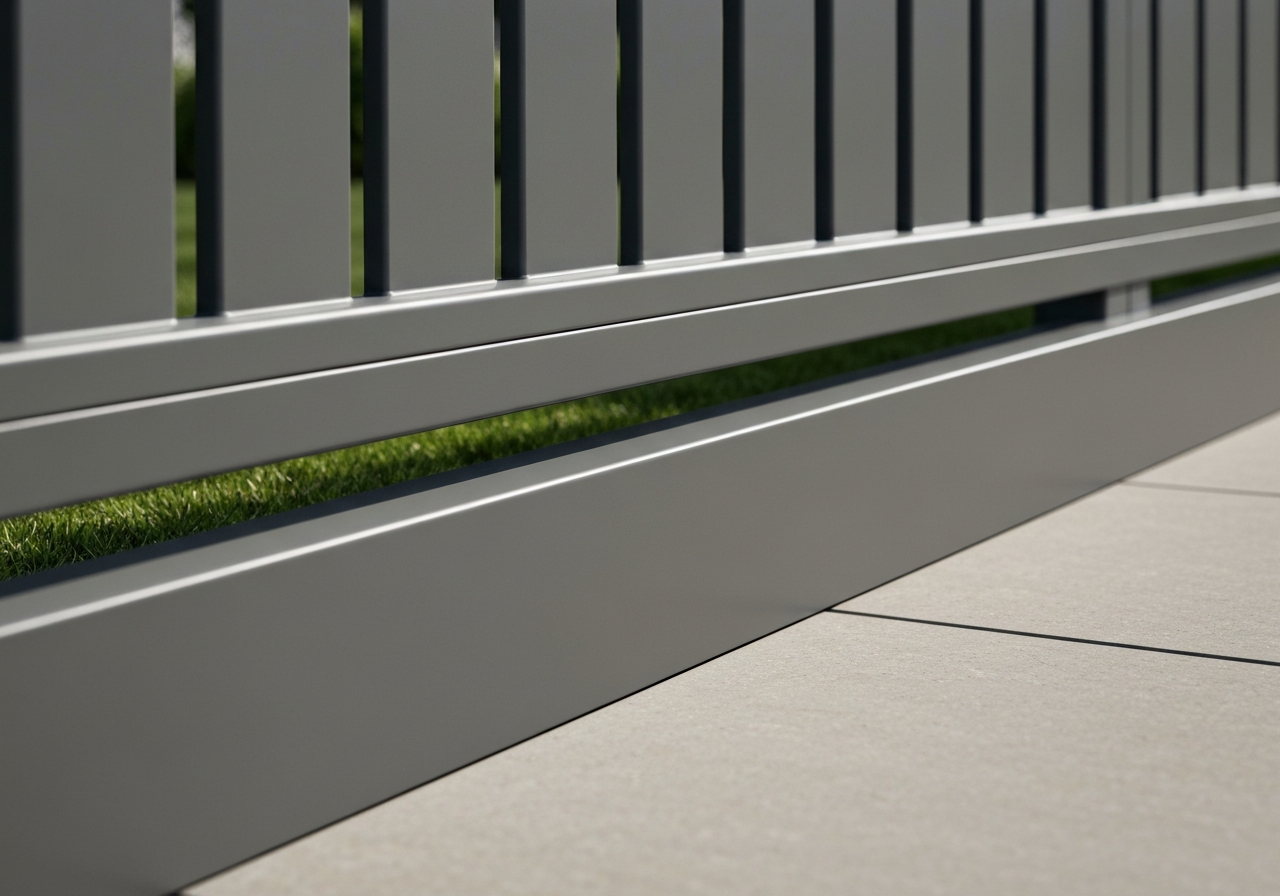
When choosing a fencing company or a fencing contractor, I suggest asking exactly how they handle assimilation, not simply installment. Especially, ask about conduit coordination, blog post drilling techniques, component installing strategy, and just how they safeguard circuitry throughout future repairs.
Here's a brief collection of questions that tends to emerge skills fast:
- Do you work with avenue or cord routing with the lighting strategy before messages are set?
- How do you mount components securely on this fencing material without compromising structure?
- What is your strategy for electrical wiring that goes across gateway joints and moves?
- How do you regulate glare and go for camera compatibility?
- If a message or section needs replacement, where does the electrical wiring live and exactly how is it accessed?
Good solutions sound sensible, not vague. They include information regarding accessibility panels, transmitting courses, and what obtains recorded after installation.
Common mistakes that cost real money
Lighting and fencing assimilation failures commonly follow foreseeable patterns. The goal is to identify these early, before you secure the layout.
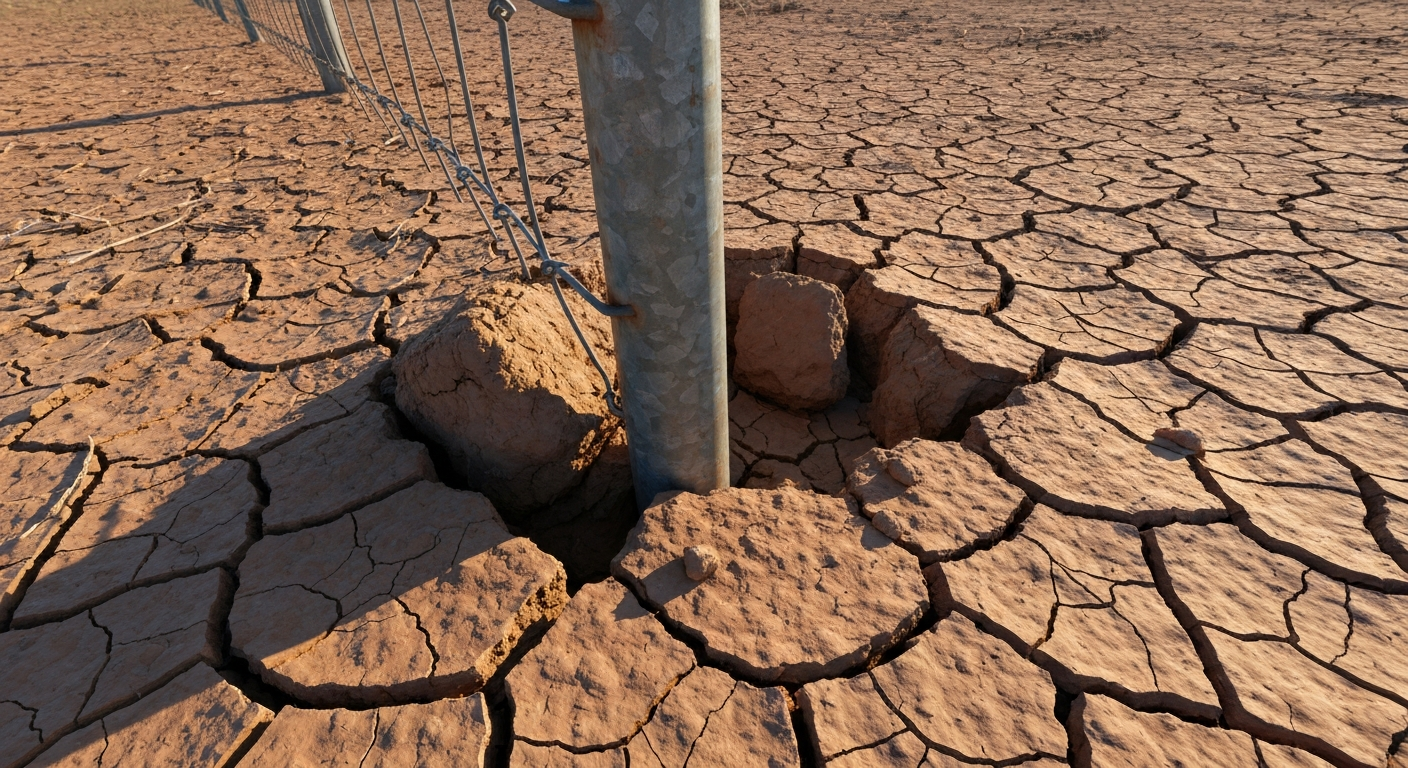
One traditional mistake is putting fixtures where they look in proportion on paper but create tough darkness from fence pickets. Another is running conduit without thinking about fence development, gateway swing, or future post replacement. A third is making use of high illumination without bookkeeping for video camera direct exposure and glare.
There are likewise "silent" mistakes. As an example, a motion sensor established to activate on a passing cars and truck can lead to lights beginning all evening. That could not seem like a big concern till your neighbor complains and the system obtains rejected. Or it may affect your video camera's capability to tape functional video footage throughout the very occasion you appreciate, because direct exposure cycles become chaotic.
The ideal method to prevent these blunders is to treat lights like part of the fence build, not an afterthought.
Make it look excellent and still be secure
Security upgrades must boost the property, deficient appear like an airport terminal parking lot. You can have strong boundary lights while keeping the design clean.
Aesthetics typically originate from two points: fixture choice and mindful intending. If you pick fixtures that match the fence style and use protecting or cut-off optics where ideal, you can reduce glare and keep the lighting concentrated on the safety zone.
Also, neat cord monitoring issues. Conduit runs should be right, constant, and shielded where they converge fencing components. If you hide whatever but it's breakable, you will wind up subjected when you need accessibility. The equilibrium is to protect where damage is likely and keep access where repairs happen.
The most enjoyable installs are the ones where you neglect the system exists since it simply functions. The fencing is still the fence, however in the evening you obtain useful presence at the exact minutes that matter.
A useful way to think of scope and sequencing
If you are coordinating a task, sequencing conserves money and time. Generally, fencing work ought to be planned with illumination in mind so you do not need to tear things up later on. Trenching and conduit placement should take place at the ideal phase to avoid repeated landscape design disruption.
One workable sequencing approach is to finalize the illumination layout and cam sight first, after that coordinate conduit courses and installing points prior to the fencing messages and entrance hardware enter. After wiring and channel are ready, components can be set up and aimed, then landscape design can be recovered. Final screening follows every little thing is settled.
That sequence protects against one of the most costly scenario: mounting the fence, discovering avenue conflicts, then puncturing completed panels or reworking posts.
Keep upkeep in mind from day one
Security lights is not "install and forget" for several residential properties. Outdoor fixtures can gather dirt and crud. Lenses can mist somewhat in moist locations. Motion sensing units can drift if they are installed where resonances happen.
Your maintenance strategy need to match your installation. If your fixtures come without ruining the fence, you will in fact maintain them. If you place everything in places that call for removing fence sections, most people avoid upkeep, and efficiency drops silently.
Maintenance can be straightforward. Wipe lenses occasionally, check for water breach indicators, confirm intending after any storm, and make sure entrance procedures have actually not drawn on wiring. The very best systems are made so upkeep does not come to be a negotiation.
Final support for incorporated security
Security lighting integrated with fence is a control issue as high as it is a layout trouble. You need the fencing line, eviction mechanics, the electrical wiring paths, the video camera view, and the light intending to act like one system.
If you remember just a couple of concepts, you will certainly stay clear of the common traps: strategy cable courses prior to articles go in, place fixtures in position that can stand up to climate and upkeep, go for comparison at human height, and test at night in actual conditions. Then, when you employ fencing contractors, a fencing company, or a fencing contractor, make sure they recognize integration, not simply installation.
A well-built boundary is stable, constant, and noticeable when it needs to be. It slows down individuals down, it records what you need, and it does not develop brand-new weak points every single time someone repair work a fence section. That is the difference between "lights on" and real security.