
Just How Fence Builders Manage Rocky Ground and Hard Soil
Rock and hardpan do not care about your drawings. They neglect neat opening schedules and poke fun at the expression basic message spacing. A fencing that goes up quickly in loam can chew up a week once the auger begins sparking. The distinction between a task that drags and a job that lands solid comes down to reading the ground, selecting the right footing technique, and dealing with devices that can take a beating. The best Fence builders do not combat rock blindly. They make it lug the load.
What "rocky" actually suggests on site
Rocky is not one thing. I have actually sunk posts right into round river patches that swallowed concrete like a coin container, and I have watched a new carbide little bit glaze over on blue granite. I have drilled via caliche in the Southwest that seemed like low-grade concrete, then struck an unforeseen soft seam that wished to break down right into slurry. Tough soil can be compressed clay that binds to teeth and stalls, or decomposed granite that drills tidy however plunges without confinement.
A Fence builder that treats every one of this the very same will certainly waste time and accident gear. The ground determines the method:
- Cobble lenses relocate under the auger, which can lead to egg-shaped holes and poor sidewall contact.
- Shale fractures along aircrafts, so a post can relocate if you do not vital it properly.
- Basalt and granite are dense and unpleasant, perfect for mechanical anchors when you reveal bedrock.
- Caliche acts like concrete while drilling however may not bond well unless you clean the dirt and make use of a solid mix.
- Hardpan clay holds form however battles every inch en route down, particularly in the completely dry season.
Understanding that difference is step one. Tip two is determining whether you are tiring into it, around it, or pinning to it.
The first hour on site chooses the following three days
Rushing to establish string lines and fuel the auger is how you shed a day. The very best Fence Contractors begin with a brief, disciplined assessment. It is quicker in the long run and more affordable for the client.
Here is the fast field check I run prior to the very first hole:
- Walk the line with a digging bar and listen for tone changes. A boring thud, thick clay. A near-bell ring, shallow rock or slab.
- Probe a couple of examination places with a 3 or 4 foot rebar pole. Feel for drifters, spaces, or unexpected refusal.
- Scrape a number of superficial examination openings. Note wetness, bit size, and whether fines bind to tools.
- Check frost deepness and current climate. Frozen hardpan for 6 inches can masquerade as bedrock.
- Mark utilities with more caution than the paint marks recommend. In rocky ground, lines are frequently shallower than the map.
Those ten to twenty minutes form the plan: tooling, opening diameter, footing kind, and whether you must change a blog post a couple of inches to dodge a stone without endangering format. An experienced Fencing Contractor recognizes that a refined adjustment, agreed with the client and noted on the strategy, can save hours.
Choosing the ground strategy by substrate
There is no one finest footing for rock and hard dirt. There are excellent suitable for certain conditions and bad behaviors that constantly trigger trouble.
When rock is intermittent, and you hit periodic boulders within or else diggable soil, anticipate to offset an opening facility by two to four inches to sneak past the blockage. Use a somewhat bigger diameter to recoup cover around the post. I commonly upsize from 8 inches to 10 or 12 inches when wobble is likely. A rigid layout theme at rail height maintains spacing true also if the footing centers move slightly.
In thick cobble, traditional flighted augers tend to stroll and bind. A rock auger with bullet teeth helps, however in some cases the smarter move is to drive a pilot opening with a demolition hammer and afterwards ream with the auger. Backfilling with compressed, angular crushed rock in lifts can secure a blog post far better than slick concrete that never ever fairly displaces the voids in between rocks. Where concrete is liked, wash the opening sides, after that shake or rod the mix to chase after out air pockets.
Shale wishes to shear. A straight cylindrical opening is inadequate. Undercut by cracking a little ledge or key the ground with brief rebar pins hammered into the sidewall. If you encounter bedded shale near the surface, pinning the blog post base to a shallow pad with mechanical supports can beat wrestling for depth.
Granite and basalt are the one in charge. When refusal arrives at eight inches and the table is solid, I will quit chasing deepness and adjustment tactics. Core drill for a snug message sleeve, or set a base plate and standoff secured with wedge supports or epoxy-set threaded pole. For chain link stretches, I have made use of core-drilled sockets set with non-shrink cement, a method obtained from barriers. That provides a tidy, solid base without large excavations.
Caliche methods numerous beginners. It drills like weak concrete however generates fine dust that can inhibit bond. Blow the opening tidy with a compressor, then moisten before you place concrete. I increase cement material or utilize a high-early mix when temperature levels drop during the night, since caliche slides a bit if the collection is delayed and traffic or wind shakes the post.
Hardpan clay is the classic hand battle. It battles the little bit, after that grabs the blog post. I like to open up the last inch or more with a digging bar, scarify the sides, and make use of a gravel base for water drainage. If you pour concrete versus tough clay without drainage, freeze cycles can jack the ground. Bell the base only if you can keep water out and you are not in large clay. In swell-prone soils, a straight shaft with a slip airplane sleeve near quality can help separate movement.
If frost is an element, obtain listed below the regional depth or use a shallow pin base that resists uplift mechanically as opposed to counting on friction in the leading area. The ground will certainly attempt to lift anything it can order. Do not offer it a handle.
The devices that gain their keep in rock
A good Fence Installer lugs more than one method to make a hole. The right tool saves shoulders, little bits, and hours.
Rock augers with changeable carbide teeth are the normal very first line. They rotate slower and attack much more continually. Change teeth before they mushroom. A single dulled tooth tosses the removed of equilibrium and sends the bit walking.
Core drill gears feel slow till you watch a worker shed 2 days on rocks. For a few openings in real rock, a handheld core drill with a vacuum base and water feed is enough. On long runs over bedrock, support a stand. Maintain the slurry under control with a damp vac and tarps. Neighbors endure rock work much better when you maintain points tidy.
Demolition hammers with clay spades and rock points select battles the auger need to not. I have actually punched pilot holes with stubborn lenses, then followed with a small-diameter auger to tidy and expand. A blog post driver, either gas or skid guide placed, sometimes proves faster than exploration, especially with steel articles. Screwing helical heaps is an additional course when refusal is not outright. In mixed fill and difficult layers, a helical pier will snake past difficulty and offer validated torque for capability. Not every Fence Installer owns that arrangement, however a Fencing Contractor with a helical unit in the lawn wins a great deal of calendars.
Water makes or damages exploration. In hardpan and caliche, a little water reduces dirt and helps teeth clear. In cobble, excessive water develops a slurry that conceals voids and fools you right into assuming the opening is sound. Use water as a device, not a crutch. Same for piercing muds. They can stabilize friable sides, however they belong with teams who recognize clean-up and bond implications.
Skid steers with worldly augers seem like excessive for domestic, till you are on your ninth opening of rejection with a portable unit. A small machine with downforce and the best bit will defeat three strong backs each time. A clever Fence builder likewise lugs extra pins, tooth sets, and a torch for stuck collars. Downtime kills spirits and budgets.
Footings that battle heave and uplift
Rock and tough soil change how the tons transfers, particularly in wind areas and along long, straight stretches that see stress from rails and cable. You are not just holding a blog post up, you are maintaining it from walking out.
Concrete choice matters. A 3,000 to 4,000 psi mix is typical. In rock get in touch with, I often tend to define 4,000 with 3/4 inch accumulation. In cold wave, a high early alternative keeps schedules relocating. Non-shrink grout radiates in core-drilled outlets and around support bolts on bedrock. Expanding foam message items have their location in light-duty applications, but I avoid them in uneven rock holes where spaces and sharp user interfaces require the mass and circulation of concrete.
Backfill strategy is not one size fits all. Angular crushed rock compressed in lifts gives dependable side rubbing and weeps water away. In natural clays or caliche with reduced leaks in the structure, I will commonly set a crushed rock base, then a concrete column, and finish with a thin gravel collar under the topsoil to drop water. A bell is useful listed below frost line in non-expansive soils, yet bells in large clays invite heave. If you bell, bell deep.
Pinning to bedrock is pleasing job. Tidy the surface area, blow the dirt, in some cases harsh it with a cup wheel. Drill for epoxy-set rebar dowels or threaded pole. Set a small pad type with a drainpipe path, then position a standoff base or install a short socket. The fence will outlast the paint.
For chain link and farming stretches, driven posts can beat footings in rocky areas if you have the motorist and the post stock to match. A 2 3/8 inch timetable 40 driven article in gravelly till will withstand wind without a shovel of concrete. In intermittent boulder areas, drive to refusal and afterwards sleeve with a brief concrete collar over the obstacle.
When openings wander and panels need to fit
Rock pressures improvisation, however the finished line has to look crisp. On panel systems, hole drift comes to be rail misalignment. I construct and bring design templates. An easy plywood or steel jig with specific on-center ranges at rail elevation allows you set message heads true even if ground centers bend. For timber personal privacy, large-scale notches or slotted brackets offer a fifty percent inch of mercy. Vinyl is much less flexible, so you plan much deeper and more accurate at the opening stage or be ready to core and reset.
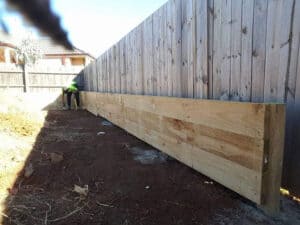
Racking panels on incline over rock is another dancing. Many brand names acquire to 8 or 12 levels. If you require more, alternate tipping and racking. The articles must tell a straight story even when panels play on the quality. That implies you can not let a hole press an article off line even if the auger located a stone. Shift the hole attentively, brace articles as you set, and make use of momentary rails to control plumb while the footing cures.
Tensioned systems like straight cord or lengthy chain link stretches will broadcast placement errors. Set incurable messages like monoliths. Overbuild those footings or pin them if you suspect superficial rock close by. A Fence Installer who deals with terminals lightly in rock is a repeat client for guarantee callbacks.
Safety in rock work is not optional
Rock enhances every threat. Silica dirt is real, specifically when drilling caliche, granite, or concrete backfill. Usage water reductions or a proper shadow with a HEPA vac. Eye security is non-negotiable when chips start flying from bars and hammers. Listening to security issues greater than satisfaction. I have actually viewed an assistant drop a carve and grab an ear after a completely dry core drill kicked. That is a lesson you do not forget.
Mark energies, after that assume they stray. In rocky corridors, plates and previous Fencing Installers have left lines superficial or off the significant facility. Hand reveal where the stakes state maybe. In ranch setups, old steel lines can rest unmarked and near to a brand-new fencing line. A magnetometer or even a careful move with a locator can conserve a message and a connection with the neighbor.
Manage slurry and spoils. Concrete washouts and rock slurry will discolor rock outdoor patios and driveways. Tarps, berms, and a washout tub make you the great next-door neighbor on the road. A professional Fencing Builder does not leave white pools for the rainfall to spread.
Three jobs that educated the appropriate lessons
A hillside in lava, message and panel cedar. The initial 2 openings quit cold at six inches. We moved tactics early. Core pierced 5 inch sockets in the exposed lava, established galvanized sleeves with non-shrink grout, and moved 4x4 blog posts into place the next day. Included weep paths under each socket to avoid wintertime ice rings. That conserved 2 days and offered a base we might count on wind. The property owner got a cleaner take a look at grade without any massive grounds at the surface.
A cobble river terrace, chain link with privacy slats. The auger strolled and damaged. We turned to driven 2 3/8 inch posts using a skid steer vehicle driver, after that established concrete collars where refusal kept us also superficial. The run took a day and a half for 300 feet, compared to an estimated four days if we had drilled every little thing. Uplift resistance examined out fine since the gravel matrix hugged the driven steel. The client expected concrete, got a far better fence earlier, and discovered that not all strength resembles a sack count.
Caliche and hardpan mix behind a college, aluminum decorative panels. Dirt obstructed the bond lines in the first two holes. We quit, generated water, and changed to a high-early combine with a vibe pole. We also broadened to 12 inch holes where drift danger was high and used steel post placement jigs to hold heads real while establishing. Rails broke in without a grinder touch. The assessor asked why the switch in mix. I handed him the collection graph and a simple note concerning caliche dust. Sign-off took 5 minutes.
Pricing, schedule, and the sincere conversation
Rock adds labor, wear, and consumables. A Fence Contractor that bids flat for rock will lose money or thrill. The ideal technique is to price the base work, then add a rock condition that covers either time and products after a certain refusal limit, or unit rates for core boring, pinning, or helical setup. Clients regard clarity. Tell them up front that a 4 inch piece of granite at 10 inches changes the plan. Share options with expense and performance, not a solitary take it or leave it.
Schedule barriers issue. Build in a day on lengthy rocky runs, even if you believe you could not need it. Weather condition substances the obstacle. An abrupt rain transforms caliche dust to soap. Freezing mornings make hardpan feel like armor up until noon.
Tool wear is a real line thing. Carbide teeth, anchor bolts, epoxy, grout, water handling, also tarpaulins and vac filters accumulate. A professional Fencing Installer accounts for them. That is how you remain in company and maintain teams safe.
Working with a professional, what to ask prior to you start
If you are hiring the job, the best inquiries divide a real professional from somebody who only shines in soft loam.
- What is your plan if we struck rejection at 6 to 10 inches, and just how will certainly you value the change?
- Do you have or have access to rock augers, core drills, and a message chauffeur, and when do you pick each?
- How do you manage frost deepness and drain in difficult dirts so grounds do not heave?
- Can you reveal pictures or addresses of fences you set on rock or caliche, and clarify the ground used?
- How will certainly you manage dust, slurry, and sound, and secure nearby finishes and neighbors?
An experienced Fencing Contractor has straight answers. They will certainly mention pinning, sleeves, torque logs for helicals, or base plates on bedrock without blinking. They will certainly also be straightforward concerning when a fence layout needs a tiny shift to outrun a boulder.
Codes, examiners, and the small print that attacks later
Jurisdictions differ on footing depth, size, and frost needs. In some locations, inspectors accept pinning to bedrock at superficial depth because the substratum is stationary. In others, they desire an engineer's letter, specifically for tall personal privacy fencings or swimming pool units. A seasoned Fencing Builder keeps a collection of typical details, marked when required, and brings them to the authorization counter prior to the first opening is drilled.
Pool code is a special pet. If you are fencing a swimming pool on rock, focus on climb resistance and gate geometry, yet do not overlook grounds. Entrance posts carry focused loads. Overbuild them. Use larger cores, stronger supports, or much deeper driven blog posts. A drooping gate that will not latch is not just a problem, it is a violation.
HOAs enjoy a straight leading line. If a rock compels a blog post off grade, work with a tipped or racked remedy and get it blessed. Do not request mercy after the truth on a street-facing run. Great Fence Installers read commitments like they review soil.
Materials and equipment that prosper in rock work
Rock holds water on its own terms. Grounds in pockets can stay wet. Usage hot-dipped galvanized or stainless hardware where budgets enable. Powder-coated blog posts over raw steel resist abrasion scars better during rough installs. In salty air or deicing zones, stainless supports earn their expense. Epoxy for supports must match temperature and wetness problems. I have seen cheap epoxy cure sluggish in a cool, wet core and turn a tight routine right into a wait.
Lumber matters too. When you set wood into sleeves or concrete near rock that remains amazing and damp, you welcome rot unless you pick ground-contact rated product and leave breathing space over grade. For steel blog posts core set in rock, a weep hole at the low side keeps water from pooling in the outlet and requiring a freeze wedge.
The human factor
Rocky jobs use crews down. Keep rotations wise. Alternative boring with setup and bracing to spread out the stress. A Fence Installer that wore out on the 4th hole is a safety and security danger on the seventh. Little conveniences matter. Shade in summertime, windbreak in winter, a clean staging location where tools discover their back. Every min you invest arranging conserves two hunting for a shed pin or a fresh tooth when the sunlight drops and the last footing still needs to set.
Communication with the client maintains buy-in solid. Text a picture of the initial refusal, share the adjusted strategy, and clarify why a base plate on bedrock is much better than defending an additional 10 inches. People respond to craft. They appreciate that a Fencing Builder is not simply muscling with yet making reasonable selections based in experience.
When to generate specialists
Not every fencing crew possesses a helical heap machine or a full core rig. The very best Fencing Contractors recognize when to partner. On a cliffside set up with superficial broken rock and high wind loads, we generated a helical service provider to establish 6 torque-verified anchors for terminals, after that ran line blog posts with a mix of driven and tiny cores. That mix kept the appearance constant and the structure honest.
If you think karst or void-prone geology, or you see sinkhole background, speak to a geotech. A couple of hundred bucks in advice can conserve thousands. In wildfire reconstruct zones, ash and debris can impersonate as diggable soil, with huge surprises a foot down. Regard the site background, not just the map.
The quiet reward of getting rock right
A fence that sits tight on a ledge, rails level, messages plumb, entrances that turn true months later, that is the fulfillment. You can hear it when you tap a post set right into bedrock and really feel the ring. It claims the builder met the ground on its terms. That is the distinction a top-tier Fence Installer brings, the judgment a skilled Fence Contractor offers, and the craft that keeps Fencing Contractors in demand long after the simple lawns are done.
When the soil is stubborn, lean into approach, not muscle. Allow the rock lug the tons where it can. Where it will certainly not, choose a footing that respects frost, water, and wind. Bring tools that can bite cleanly, maintain your team safe, and possess the information that make a fencing look inescapable. That is how Fencing Builders turn hard ground right into a strong line.