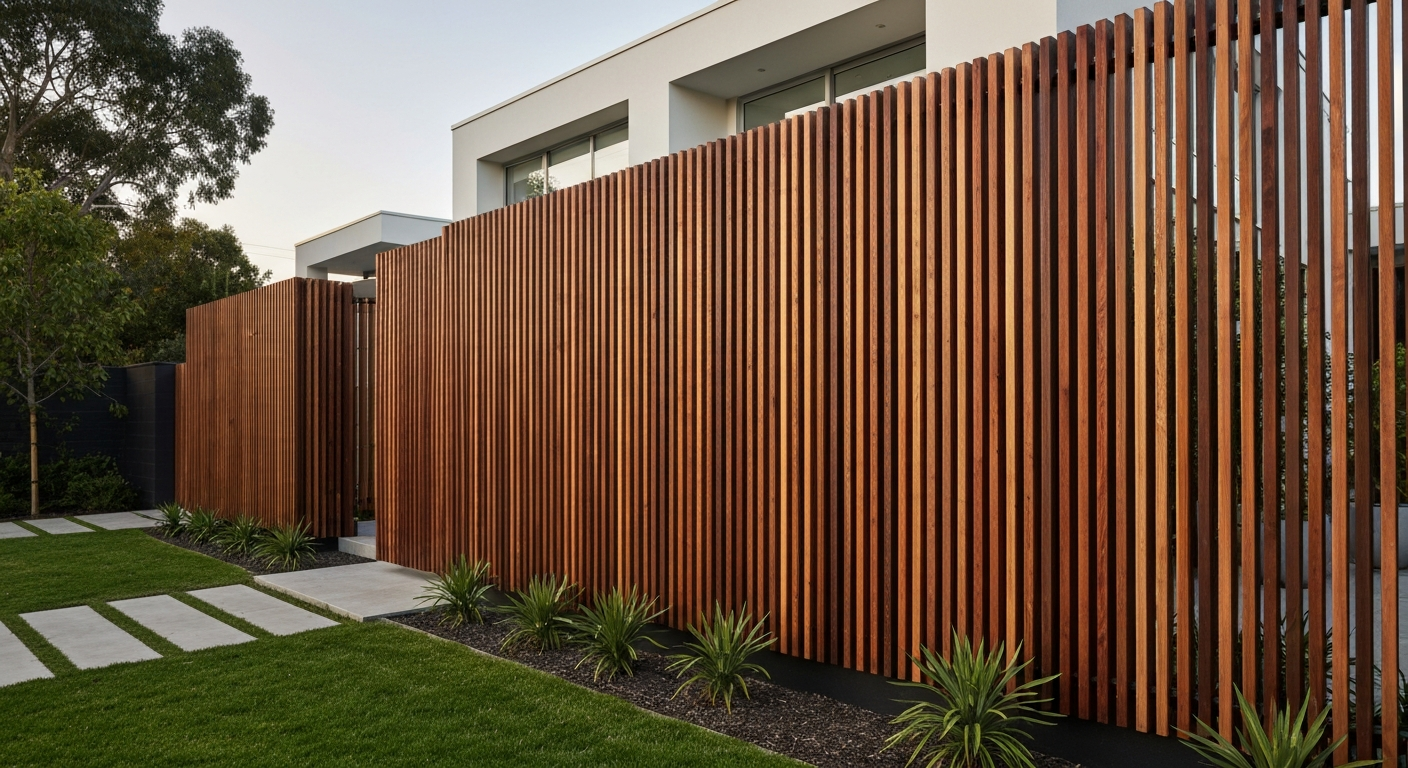
Just How Fencing Contractors Make Sure Appropriate Message Installment
Every strong fence starts with the posts, and every message starts with dirt. That is the fact seasoned Fencing Contractors discover by moving thousands of extra pounds of soil, setting hundreds of holes, and taking another look at minority that failed to identify why. The distinction in between a fence that stands directly for 20 years and one that sags in three often boils down to what happens underground in the very first number of hours.
I have actually set articles in beach sand that plunged like sugar, in clay that battled the shovel like a persistent burro, and in urban whole lots where every 3rd opening uncovered a shock, from watering lines to a bowling sphere. Great outcomes originate from judgment honed by those experiences, not from a solitary dish. Right here is exactly how a thoughtful Fencing Contractor checks out the ground, prepares the format, and executes the set so the rest of the fence goes smoothly.
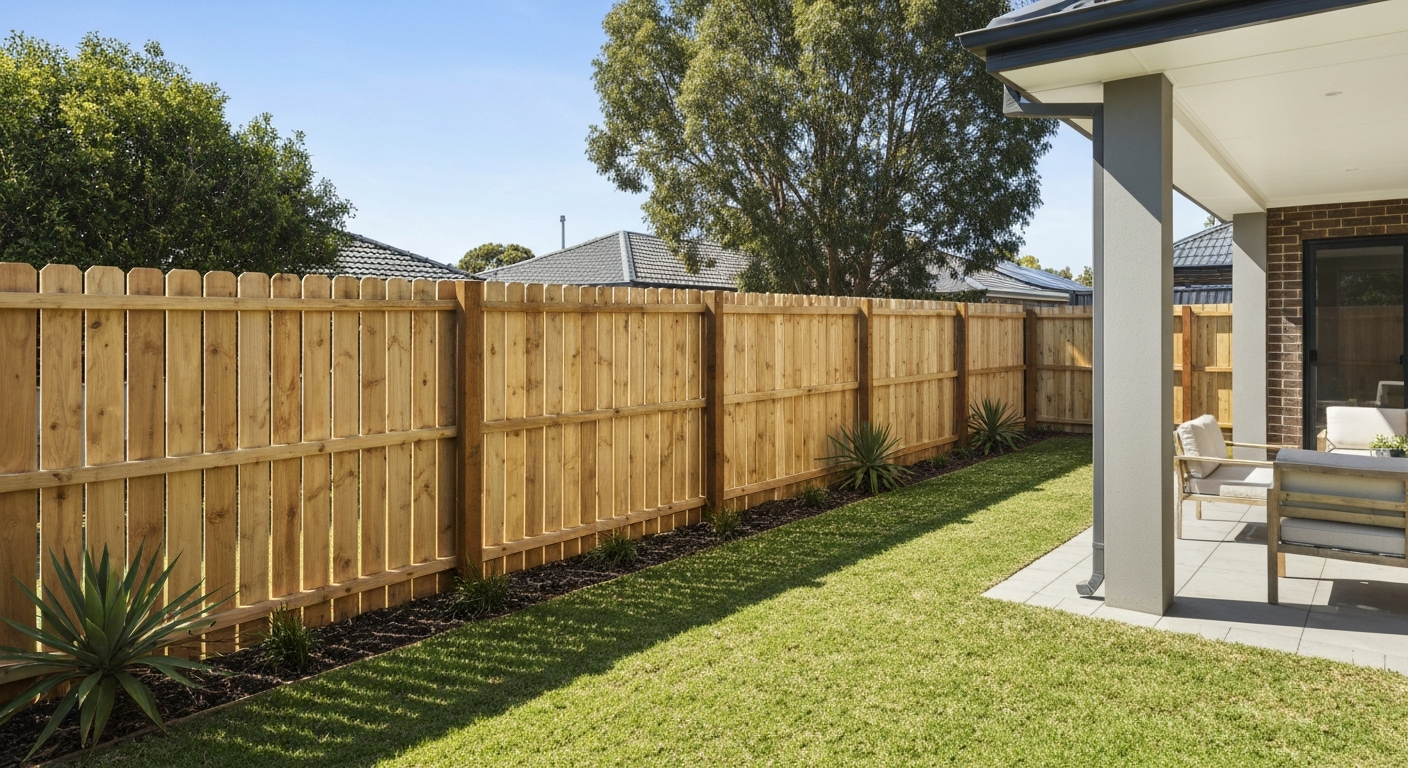
Reading the ground prior to the auger ever spins
Proper blog post installation starts with dirt reconnaissance. A fence installer who misses this action is wagering with your investment. You do not require lab reports for a yard run, however you do require to know what is underfoot.
Clay holds water, swells when damp, and diminishes when dry. If you set a slick message in a clay chimney, frost heave or summer season shrink-swell can jack it up or press it out of plumb. Sandy soils drain well, which is a true blessing for freeze-prone areas, yet they collapse while digging and can permit messages to resolve if the footing is undersized. Loam is flexible. Load dirts are a wildcard. You may have rubble down a foot, then uncompacted fines. Then there are areas that act in different ways a few feet apart: a pocket of topsoil at one hole, blue clay at the next.
Experienced Fence Contractors find out to test with a digging bar and a narrow spade. Two or 3 pilot probes across the line tell you greater than a web page of theory. You feel the crumb structure, listen to the ring of rock, and smell the wetness. If bench enters quickly for 18 inches then clangs, you plan for a shallower dig at that place and a broader bell to spread load. If the hole walls lost sand like a shapely, you dig somewhat extra-large and make use of forms or quick-set strategies so the wall surfaces do not collapse.
Laying out straight lines that endure real-world obstacles
Strings make the difference between crisp and sloppy. The design action establishes your fencing's geometry, and great geometry forgives small blemishes later. A mindful Fencing company will certainly break tight mason's lines at the building balanced out the study calls for, after that set batter boards or temporary risks past the edges so strings can be adjusted without pulling the whole line. Corner messages go initially, then line posts.
Every region has its own tangle of obstacles and easements. A professional fencing installer brings a meter for energy finds and appreciates the paint on the lawn. No one wins when an auger chews a cable television. Gauging from repaired functions issues as well. I as soon as set out a picket fence where the home owner wanted the pickets to straighten aesthetically with the front door and veranda columns, not the great deal line. We offset the line by 2 inches over 40 feet to maintain sight lines crisp. Those two inches made the fence check out right from the sidewalk.
Gate placement belongs in design, not as a second thought. Entrance posts take even more lots and need even more space. A Fence Company that installs gates weekly will establish bigger grounds, much deeper holes, and often a tie-beam under the course to withstand racking. If a driveway gate is planned, we inspect the incline with a degree and confirm the swing will clear grade.
Depth, diameter, and the frost line
There is no universal deepness. The frost line in the Dakotas could sit at 48 to 60 inches, while seaside Texas can get by with 12 to 18. I inform clients the post base need to land below seasonal motion. In most pleasant areas, 30 to 36 inches of deepness is enough for household fences, with more for gate and corner articles. In true freeze areas we go after the frost line with an extra 6 inches of crushed rock under the footing for drainage.
Diameter issues greater than the majority of people assume. A guideline I depend on is opening diameter about 3 times the article size, within reason. A 4x4 timber post gets a 10 to 12 inch hole in weaker dirts and 8 to 10 inches in company ground. Steel posts that will certainly carry personal privacy panels in the wind need charitable collars. When wind loads climb, bigger collars minimize flexing stress and anxiety at grade, which is where failures like to start.
If the site is sloped, the uphill side tends to birth even more backfill and gathers rain. We sculpt a minor uphill trench to divert water or develop the concrete with a subtle uphill lip so drainage does not rest against the post.
Digging clean, upright holes
Speed harms when you are digging in variable soils. I have actually watched an auger smear glossed clay around a hole, after that concrete bond improperly to that slick surface. When I see clay smear, I rough up the walls with an excavating bar and peel back to raw face. In sandy dirts, you do not remain. You drill a few inches broader, tidy the bottom level, and set forms if the top foot wants to cave. In rough great deals, the auger just obtains you began. A narrow spade and post-hole digger complete the job, prying stones without increasing the opening a lot you throw away concrete.
Bell bases assist in swelling clays and in windier direct exposures. That indicates you undercut the base a couple inches wider than the shaft so the ground mushrooms down low. The article has a shoulder to press versus throughout wind gusts, and frost heave needs to do even more work to raise it. You only bell as long as the soil will securely hold throughout the pour, and you never ever damage up until now that the top can break down while you establish the mix.
Choosing backfill: concrete, crushed rock, or hybrids
This is where craft ends up being opinion, and viewpoint ends up being a battle on task websites and forums. Below is the sober view from a fence installer who has actually examined all 3 methods.
Concrete locks a blog post in position and provides foreseeable stiffness. In wind zones and for privacy fences with solid panels, concrete is the default. Use it with treatment in clay. If you create a tub around the post and crown the leading towards the wood, the article will certainly reside in a moist sleeve and rot early. Address that with a crown that drops away from the blog post, or by nabbing only the top third with concrete and utilizing compacted angular gravel below for drainage.
Gravel functions magnificently in well-draining dirts and for lighter fences like split rail or cord. Load it in 4 to 6 inch lifts with a tamping pole until it calls. I like 3/4 inch angular rock with penalties, not pea gravel, due to the fact that angular edges lock and fines load spaces. The posterity examination is the shove examination on day one: if you can move the post by hand after an appropriate tamp, crushed rock alone will not hold with winter months winds.
Hybrids resolve the weaknesses of both. Angular gravel at the base for drain and to seat the message idea, then concrete approximately 2 to 3 inches listed below grade. You completed with indigenous dirt formed right into a shallow berm to lose water far from the post. On clay sites I pierce a little weep hole on the down-slope side simply over the gravel band before the concrete collections. Water that slips in has a stress relief.
Concrete that sets right, not simply fast
Sack mixes are not just the same. For blog posts I define 3,000 to 4,000 psi blends and target a 4 to 5 inch downturn if I am batching. Also wet is one of the most common blunder. Slurry makes life simple at the opening yet vulnerable around the message. Workable does not mean soupy. If I am pouring dry bag blends into the opening and adding water, I make sure the water in fact moistens the complete depth. A rod and a couple of minutes of perseverance avoid completely dry pockets that fall apart later.
Air temps issue. In hot weather the top crust can set prior to you real the post. Shield helps, and a helper with a level and supports makes the distinction between hustling and hurrying. In winter, non-chloride accelerators assist, and I protect the top with coverings at night if temperatures drop near freezing. Chloride accelerators wear away steel, so I avoid them near metal posts.
Crowns are not decorative. I complete the top of a concrete collar in a superficial dome that sits simply below final grade, sloping away from the blog post. Water ought to never pool where timber satisfies cement. If I am establishing steel, I still desire drainage, and I include a sleeve or cold-galvanized paint at the user interface to guard against gap corrosion.
Cure time is the adversary of an anxious routine. Many Fence Contractors keep rails light and avoid hefty tons on the articles for 24 to 48 hours. Gates wait longer. I tell customers 3 to 7 days before we hang a heavy entrance, relying on temperature level and humidity. That persistence pays off when the hinges stand by instead of resolving right into a tilt.
Keeping blog posts plumb and lined up when the wind chooses up
On quiet mornings, 2 dental braces per post and a tight string line suffice. On hilltops or with passing gusts, I go to 3 braces on edges and entrances. Establish the blog post, touch it flush with the string line, then brace it to withstand the means the wind wants to push. I use screws on momentary cleats so adjustments fast. The level lives on the message, out the ground. Sightlines tell their own truth. Walk ten feet back and look down the run. If one blog post looks a hair proud, it is. Repair it then, not after the concrete blemishes harden.
Laser levels and story poles aid for height. On sloped lots I decide early whether the fencing will step or rack. Privacy panels typically tip, with each bay level to itself. Cable fencings can rack to follow quality. In any case, the article tops need to lug that plan. I note cut lines with a tale post so the leading rail has a continuous rhythm, not a jitter.
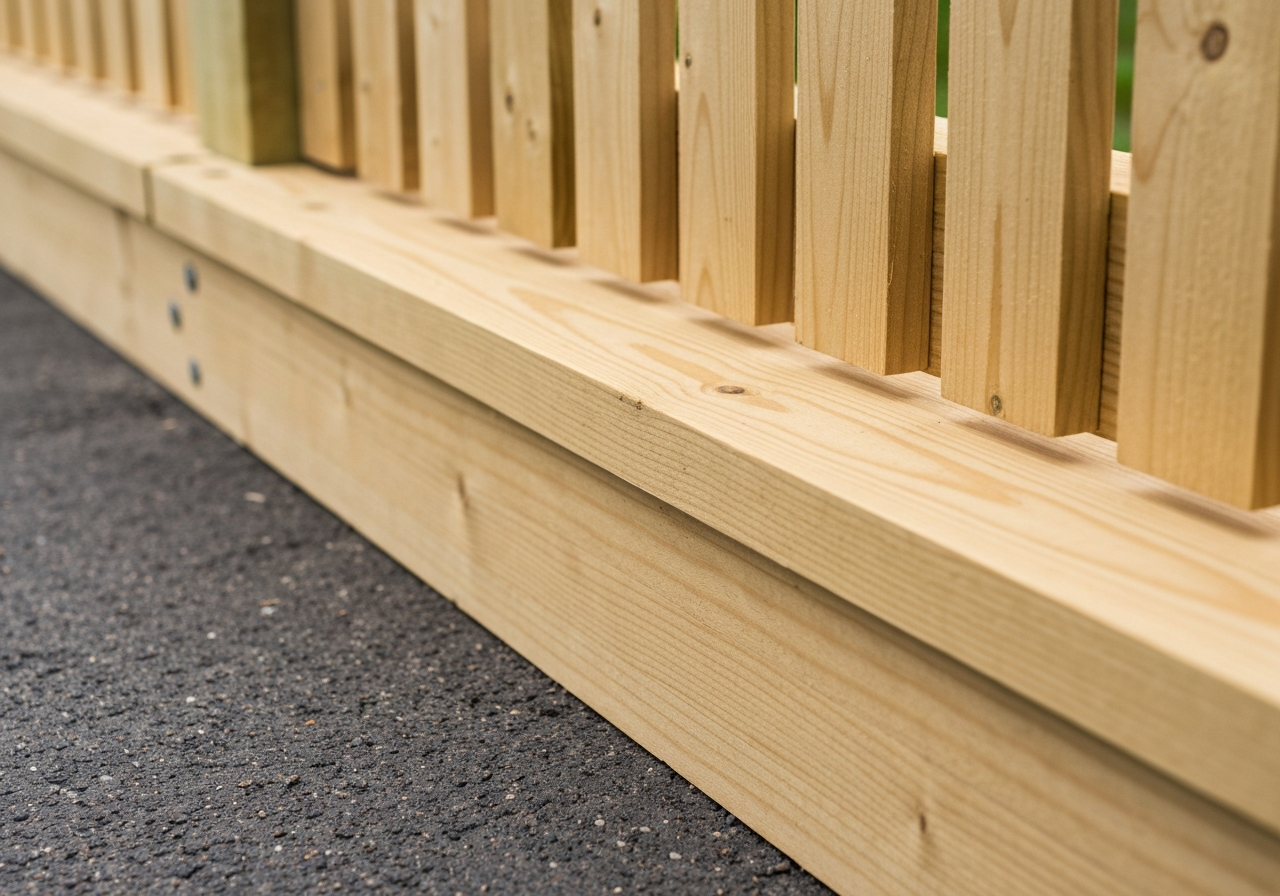
Wood, steel, and plastic articles are not all treated equal
Wood lives or passes away by 3 choices: types, therapy, and information. A real 4x4 in cedar smells terrific but does not have the compressive toughness of cured want. I define ground-contact rated stress treatment for any wood embeded in or near soil, not just basic use. On timber posts in concrete, I wrap the below-grade section in a vapor-permeable membrane layer that loses liquid water however permits drying out. I never frame the top of the message in a pond.
Steel posts carry lots beautifully if you secure them from deterioration where they go through dirt and concrete. For chain-link or composite panel fencings, a galvanized steel article with the right wall surface density beats a decorative yet lightweight tube. Where salt or fertilizers are common, I up-spec coatings or utilize sleeves. The interface between steel and concrete is a hole. Cold-galv spray before the put and a grain of polyurethane sealant at quality maintain oxygen and salts out.
Vinyl messages are sleeves over an inner structure on significant installs. A vacant plastic shell set in concrete is a sail. I go down a cured wood core or a galvanized insert to carry the load, specifically at gateways. The plastic itself does not rot, however the core does the genuine work.
Wind, gates, and the math you can feel in your hands
You do not need calculus to sense wind loads. A 6 foot privacy fence with limited boards captures wind like a billboard. On seaside websites or open plains, I expand post spacing decently and boost footing sizes. The difference in between six and 8 foot blog post spacing is the difference between tranquil and disorder in a storm. Bed rails and bolts matter, however the weakest link in high wind is usually at grade.
Gates are bars. A four foot pedestrian entrance with a cedar skin and steel frame can evaluate 60 to 100 extra pounds. The joint post wants deeper embedment, a larger collar, and often a rebar dowel drilled with the blog post and right into the footing to combat turning. I when fixed a good-looking gate that peeled off the joint blog post out of a 10 inch hole like a cork. We reset in a 16 inch bell with a two foot crushed rock base and linked the joint side to a buried deadman beam under the pavers. Five years later it still swings with 2 fingers.
Working around origins, rock, and issue soils
Roots highlight the most awful improvisations. The right way is almost always slower. If a trunk-sized origin goes across the organized opening, I do not cut it. I offset the article a few inches and change the fencing line with a minor dogleg in between bays. If the customer will decline a dogleg, I link above the root with a brief quality beam of light. Killing a live root under a healthy and balanced tree courts dieback and lawsuits.
Rock layers demand hand tools and often a rented breaker. If you hit bedrock at 20 inches in an area that wants 30, you do not keep chewing. You expand the opening, bell the base ideally, and, for heavy tons, pin the footing to rock with pierced supports. Crushed stone under the footing on rock maintains the message from skating. If you arrive at cobble, you get rid of sufficient large rocks that the concrete essential fills voids instead of bridging over marbles.
Expansive clay requires a drainage strategy. I create a pocket that allows groundwater escape. A few inches of cleaned rock at the base, absorptive sidewalls, and a top that sheds. Foam sleeves that isolate the blog post from the clay can work for signposts and deck piers. For fences, I favor a hybrid: stone and concrete with a weep path.
Seasonal timing and climate strategy
Spring mud welcomes tilted posts. If I need to construct in a sodden lawn, I plank my work paths and look for pumping at hole bottoms. We release water and lay a bed of rock so concrete does not dilute into a soup. In summer warmth, we organize shade, bring water for the team and the mix, and brace aggressively because mid-day gusts kick up. Autumn is flexible. Winter season is not, unless you recognize the tricks. Cozy water in blends, coverings for collars in the evening, and no puts onto icy dirt. Icy soil thaws, collapses, and your best plumb become a lean.
A functioning list that excellent Fence Contractors in fact use
- Verify utilities marked and problems confirmed.
- Probe three depictive openings for dirt kind and obstacles.
- Size depth and size to frost line, wind direct exposure, and load factors like gates.
- Choose backfill approach based upon soil drainage, then stage materials within arm's reach.
- Brace corners and entrances with additional remains, real to string lines, after that pour and crown for drainage.
Failure tales and the repairs they taught
The fastest way to find out is to fix what stopped working. A cyclone when wrecked a brand-new privacy fence we did not build. Half the articles leaned similarly, every one cast into a smooth, overwatered collar flush with quality. Water had actually pooled at every post, then froze and heaved. We drew out 2, found black mush at the wood-concrete line, and transformed strategies. Reset with a crushed rock drain at the base, tighter mix, broader collars, and a crown that stood proud. The rebuilt run took the next blow without flinching.
Another work taught humbleness with slopes. We racked panels to comply with a gentle hillside, yet we set two mid-run messages a touch high because the ground swelled unpredictably under foot website traffic. The top railway swung. We cut those posts down and included a concealed drop in the rails, after that feathery picket lengths by a quarter inch to fool the eye. That day emphasized why a story pole and sluggish final cuts pay off.
On a commercial chain-link near a ball park, outfielders maintained climbing the fencing and shaking the top rail. The line posts were sound, yet gateposts near the dugout took side hits and drifted. We sleeved those posts in larger diameter steel, reset with rebar cages in concrete, and added compression braces back to deadmen hidden behind the fencing. The fence stopped wriggling under teen enthusiasm.
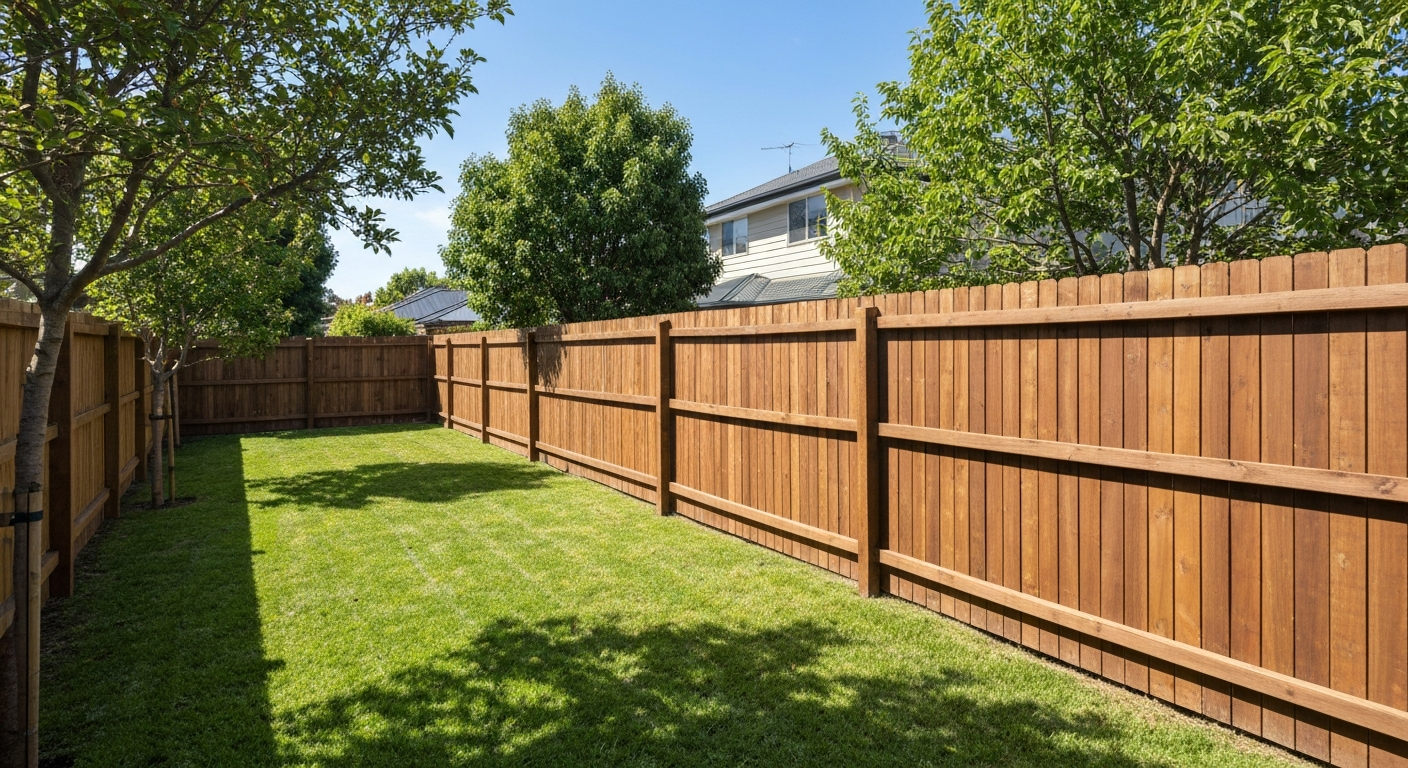
What to expect from an expert Fencing company
A reliable Fence Company will certainly not just show up with a vehicle and an auger. They will inquire about the fencing's job: personal privacy, animal control, protection, curb charm. They will check out the study, stroll the line with you, and discuss dirt. You will certainly hear the words drain and frost, not just quick and low-cost. Timelines will flex around weather, especially for pours. Supporting and healing will appear like patience, not delay.
They will certainly also connect concerning the one-offs. Possibly there is a buried stump that will certainly slow down a day. Possibly a next-door neighbor's keeping wall surface cuts across your line in a way that demands a custom-made footing. The most effective Fencing Contractors clarify options plainly and offer numbers that show the compromises. A taller fencing on a gusty whole lot welcomes bigger holes and longer remedy times, which cost more currently and much less later.
Time and price, with real numbers
For a typical six foot wood personal privacy fence on degree ground with decent loam, a staff of 2 can set 20 to 30 posts in a day if holes run tidy. Add rocks or a slope and that drops to 10 to 15. Concrete cures overnight for light handling, however heavy gates wait three to seven days. Budget plan wise, products for grounds run a few dollars per hole for crushed rock, or 1.5 to 3 bags of mix per hole for concrete in 8 to 12 inch sizes. Upsizing to 12 to 16 inch collars, including rebar cages at gates, or pinning into rock presses prices up, but those are single investments that get rid of repeating headaches.
Gate blog posts and corners frequently take two times the moment and product of mid-run posts. That is typical. If a proposal deals with every article the very same, ask concerns. Good bids reveal that corners and gates obtain unique treatment.
Working with your fence installer: tiny things you can do that help
- Mow and clear 24 inches of course along the fencing line to expose origins and hazards.
- Mark lawn sprinkler heads and low-voltage circuitry that locators will certainly miss.
- Share photos of damp places after tornados so drainage plans can target actual problems.
- Decide early on step versus rack on slopes and authorize string-line mockups.
- Give messages their remedy time before leaning ladders, rails, or entrances on them.
When repair service defeats replacement
If 2 out of thirty posts lean, you do not junk the fencing. A qualified fencing installer can draw and reset those culprits, often with foam materials or micro-piles if area is limited and you need no excavation. I beware with broadening foam items. They are fast, but they count on perfect confinement and can catch water. In the best scenario, like a limited urban side yard where concrete would certainly be impossible to bring in, they fix a trouble easily. Otherwise, a shovel, angular rock, and concrete are sincere friends.
Rot at the wood-concrete interface can often be slowed down by cutting the message an inch over quality and including a steel standoff, but that is a spot, not a remedy. If half the run reveals decay, replacement stays clear of chasing after issues article by post.
Why all this care pays off
A fence is a long line of tiny decisions. The position of each blog post records those decisions for several years. Mindful format provides straight lines that please the eye every single time you pull right into the driveway. Sound footing choices disregard freeze-thaw cycles and summertime gales. Solid supporting and client remedies allow gates swing light and lock with a click, not a push. The very best recognition is peaceful: a fence that does stagnate, buzz, or whine throughout storms, a fencing you forget about until a neighbor asks who developed it.
If you are calling about, pay attention for the concerns a Fencing Contractor asks you. Dirt, wind, frost, drain, gateway loads, energies. Those are the notes of a person who assumes listed below quality prior to talking about picket styles. Whether you employ a huge Fence Company with multiple teams or a small two-person clothing, the craft under your yard must be the same. Posts dug to the appropriate depth and size for your dirt. Backfill selected and executed for drainage and bond. True lines, company braces, and time for the set. That is exactly how messages stay put, and exactly how fencings gain their maintain for decades.