Fence Company Advice for Matching Neighboring Fences
You round an edge, walk the residential property line, and there it is: your next-door neighbor's fencing marching along like a set of train cars, tidy and regular, best to your border. You want your new fence to look like it belongs, not like a boxcar from a various railway. Matching a surrounding fence is component craft, component diplomacy, and component investigator job. Get it appropriate and the whole road really feels intentional. Obtain it incorrect and the inequality nags you each time you draw right into the driveway.
I have strolled a lot more backyards than I can count with homeowners, Fencing Contractors, and HOAs, trading tape measurements and squinting at post caps. Below's the sensible playbook I've developed on genuine jobs where budgets, qualities, weather, animals, and people all have something to say.
Why alignment matters beyond visual appeal
Continuity soothes the eye. When fencings straighten in kind, height, and rhythm, the residential or commercial property line vanishes into a quiet background. Excellent positioning likewise streamlines upkeep. Matching elevations along a gusty hallway decreases uneven lots and the threat of a weak link falling short first. When materials and coatings sync, re-staining or cleaning comes to be an area effort, which maintains longer runs looking balanced.
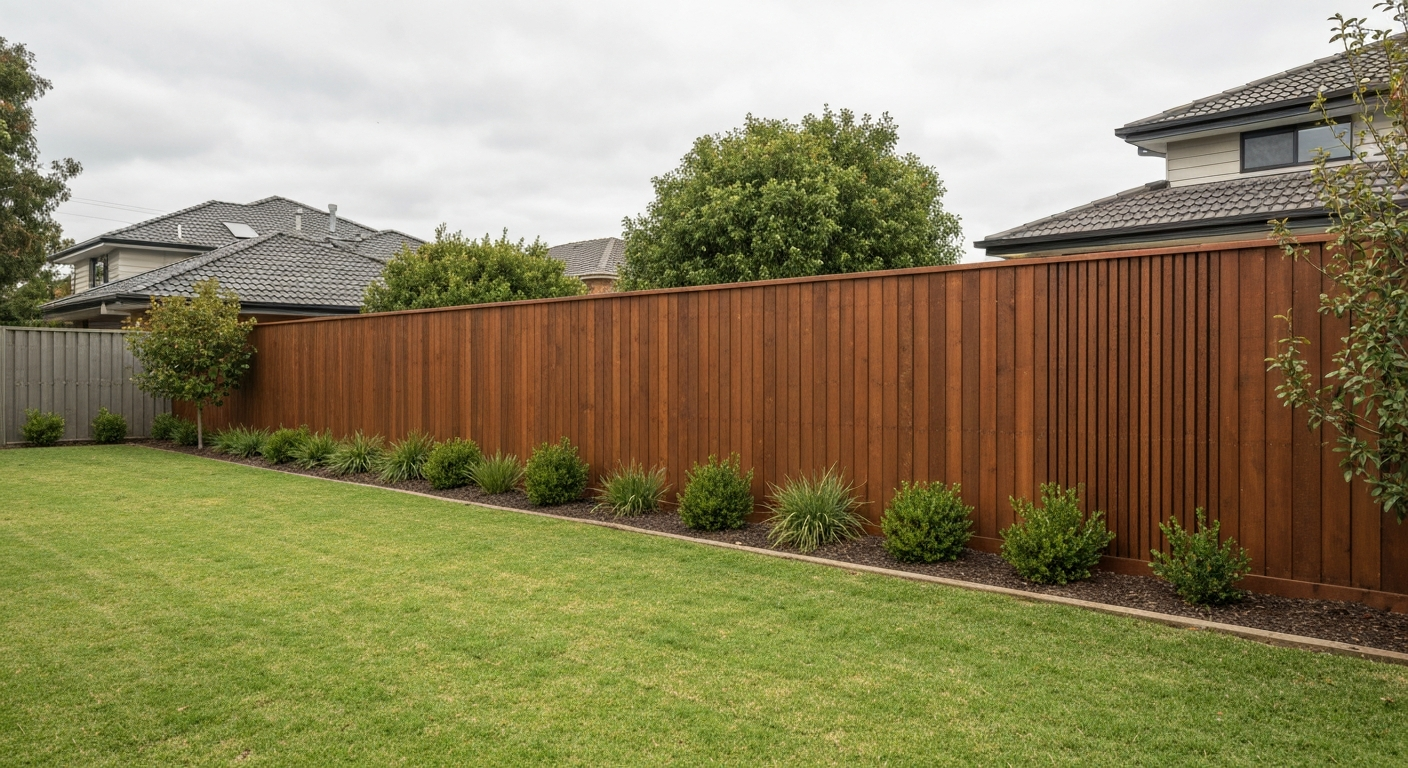
There is a lawful angle as well. Lots of towns and HOAs like uniformity, particularly along street fronts and shared back lines. I have actually seen three-foot and six-foot fences clash at a corner that violated sight triangular guidelines at a driveway. The solution entailed lowering eight panels and replanting blog posts. Much easier to straighten height and transparency correctly from the start.
Walk the line with a plan
A methodical walkthrough spends for itself. Bring a 25-foot tape, 4-foot degree, a low-cost angle finder, and your phone for photos. Keep in mind article spacing, cap style, picket size, top account, rail count, and bolt pattern. Inspect quality changes with a degree and mark high and low areas. If the next-door neighbor's fence actions with the slope, count the surge per panel. Take close-ups of knots or grain if it is wood, shine if it is vinyl, and patina if it is metal.
If you see a detail that looks strange - a mid-run message thicker than the remainder or a rail bolted differently - that might clue you to an earlier repair service or a nonstandard dimension. You might need personalized brackets or a different article to tie in confidently at that location.
The five-minute prework checklist
- Pull the plat, confirm corners, and demand energy locates.
- Confirm height, design, and product rules with the city and HOA.
- Knock on the neighbor's door to go over intent and home line assumptions.
- Photograph key information: article caps, picket account, rail spacing, and any transitions.
- Decide where to terminate and exactly how to blend at the linkup points.
Start with the study, not the fence line
Fences wander. A cedar line set twenty years ago can lean 6 inches off real. A chain link edge cut around a stump may never ever have embraced the limit to begin with. Do not think the existing fence stands for the lawful line. Pull the plat and established string on known points. Where in doubt, hire a land surveyor. It is more affordable than relocating a fencing later.
If you uncover the neighbor's fencing invades your side, tread very carefully. The majority of communities have advancement processes, and many next-door neighbors choose a practical compromise. I have resolved this by straightening the brand-new fence to real line but blending aesthetically with a one-panel "cheater" at the edge. You obtain your land without creating a noticeable jag.
Material selections and just how to really match them
Matching does not constantly imply mirror-image. Sometimes it implies equivalent appearance, similar performance, and corresponding character. Right here is how that plays out by material.
Wood: types, quality, and the art of aging
The next-door neighbor's cedar could be Western Red Cedar with a warm salmon color, or maybe Eastern White Cedar with a pale straw look. In the Midwest you will likewise see pressure-treated pine. If the run you intend to match is older, its silver-gray patina will certainly not be your beginning point. Fresh cedar runs pink to reddish-brown, and in 6 to 12 months it will certainly mellow. Pressure-treated want begins green or tan and clears up to a low-key off-white before going gray.
Match varieties if you can, then match quality. No. 2 cedar with wide, flat grain and scattered knots will certainly not review like clear vertical-grain boards from three residences down. When we have to blend new to weathered timber, we prewash and tone the older fencing to come close to the new, not vice versa. That shocked a client when, till she saw just how a light oxalic acid laundry on the next-door neighbor's panels pulled color closer to the fresh boards. The joint virtually disappeared.
Picket size matters. A 3.5-inch picket reads in a different way than a 5.5-inch, also at ten rates. Same goes for the picket leading profile. Dog-ear, level, gothic, and French Gothic actors different shadows. If the bordering fence utilizes 5.5-inch dog-ear cedar spaced at 3/8 inch with two rails, match it precisely. Rail placement likewise telegrams craftsmanship. A top rail set at 7 inches down, a mid rail at 38, and a lower rail at 6 produces a visual rhythm. Duplicate those numbers within a fifty percent inch and the eye will approve the match.
Vinyl and compound: shine, account, and color codes
Vinyl's method is shine and structure. Two whites are seldom equivalent. One may be paper-white with a gloss, one more tepid with a matte. Ask the neighbor, or a previous Fencing Contractor if you can discover one, regarding the manufacturer. If not, bring example swatches to the surround full sun and color. You are evaluating shade shift throughout the day, not just at twelve noon. Account deepness counts as well. A heavy extruded picket with sharp arrises looks crisper than a slim panel. If you can not match brand name, opt for equal panel density, embossing, and rail dimensions.
Composites come with manufacturer shade codes and frequently years of discolor assurance. If the neighbor's brand is a mystery, aim for a neutral tone that lands between theirs and your residence trim. Stay clear of dark composites alongside light ones in full sun. Thermal movement can telegraph at the joint and the mismatch shouts.
Ornamental steel: picket spacing, finials, and powder coat
Steel and light weight aluminum ornamental panels typically get here in 6- or 8-foot lengths with conventional picket spacing. If the neighbor's panels hold 15 pickets per 6 feet and your own hold 13, the difference is evident. Suit the series if possible. Finial form and post cap style also matter. Ball caps encounter acorn caps throughout a building line like two diplomats who do not talk the very same language. If brands differ, swap caps or finials so the sky line aligns.
Powder layer luster differs. Semi-gloss prevails, yet satin blends better with older steel. I lean satin at a linkup unless the bordering fencing still blinks like a brand-new car.
Chain web link: gauge, mesh dimension, and color
Chain web link can be harder than it looks. Two-inch mesh in 11.5-gauge steel looks and behaves in different ways than 2.25-inch mesh in 9-gauge. If your next-door neighbor's fencing is galvanized, adhere to galvanized in the same sparkle or lightly etched look. If theirs is black or eco-friendly vinyl-coated, match the shade and top rail style. I have matched a galvanized back line with a black front area by using a powder-coated leading rail and gateways in advance but galvanized textile out back. The visual break happened at a shed corner, and you needed to be seeking it to notice.
Height, quality, and how to tip with grace
If whole lots are level, suit height precisely. Most residential personal privacy runs are 6 feet determined from ended up grade to the top of the picket. Some communities limit street-adjacent sectors to 4 feet, stepping to 6 behind the front building line. If the next-door neighbor's fence had to step down at the driveway, copy the pattern also if your code would certainly permit otherwise. Balance with that area helps motorists back out safely and pleases inspectors.
On inclines, you are selecting in between racking and tipping. Racked panels angle so the pickets remain upright while the rails angle alongside the grade. Stepped panels keep rails degree and decrease in increments panel by panel. If the next-door neighbor tipped, you must also. If they racked, mirror that pitch via your linkup and keep the rail spacing constant when determined perpendicular to the ground, not the panel.
Gaps at the bottom invite dogs, leaves, and cold air to snake with. On a 10 percent slope, tipped panels can leave a 3 to 5 inch triangle of daylight under each end. If animals will check the boundary, add a grade board - a cured 2x6 toe board set tight to the dirt - that blends under both fencings. It maintains the line secured, and it provides a sacrificial component versus string trimmers.
Transitions that do not container the eye
A shift is where two different fences drink hands. You can do this beautifully with a common message, a reveal blog post, or a staggered overlap. A common post utilizes a beefier participant - state a 5x5 rather than a 4x4 for wood, or a 3-inch steel message instead of 2.5 - with braces for both fencing types. It reads as one article, not two stuffed together.
A disclose message rests between both runs, established slightly proud, maybe by 1 inch, and can be dressed with a cap that fits both sides. It recognizes the adjustment as opposed to concealing it. I prefer expose messages at product shifts, like timber to steel, specifically along walk gates. An overlap works when you require to hide an inequality. You run the brand-new fencing past the next-door neighbor's last post by a panel or 2 in your corner, parallel and tight, creating a brief double run that fools the eye. Plant a shrub at the overlap and the technique vanishes.
Color and surface: one of the most common area to get it wrong
Staining is where great matches go sidewards. Two gallons classified "cedar tone" from different brands heal to two different colors. Sun alignment deepens the warm notes on the south and west faces. If you desire parity, brush examples onto spare pickets and hold them alongside the next-door neighbor's boards at various times of day.
Here is a portable sequence to get the discolor match close sufficient that just you will know where the line shifts:
- Clean both sections to a comparable standard. Light laundry for grey wood, soap and wash for new.
- Sand a test picket to open grain, then apply two discolor samples side by side.
- Check shade in early morning color, noontime sunlight, and twilight, then pick the closer sample.
- Back-brush throughout application to also absorption and prevent lap marks.
- Seal both runs on the same day to equalize sheen and start the aging clock together.
If you are matching paint on steel or composite, locate the closest maker shade code and ask a fencing installer to order touch-up sets. Paint a short perform at the tie-in and allow it cure a few days prior to judging.
Hardware and small signs that signify a real match
Little options betray a mismatch faster than big ones. If the next-door neighbor's fasteners are ring-shank galvanized, do disappoint up with black screws unless both fencings get black accents. Suit joint style and lock positioning on entrances in the common view. Line up the top of entrance structures with the top railway of the fencing. Post caps inform stories also. Pyramid on one side and flat on the other looks unintended. Swap caps or standardize.
On wood, keep the nailing pattern attire. I have landed a perfect visual match by lining up nails 1.5 inches from picket sides, leading nail at 2 inches listed below the picket top, then repeating down the rails. Repeatable rhythms help the mind accept the entire run as one.
Neighbor diplomacy: the most effective tool in the truck
A five-minute chat stops five years of side-eye over the bushes. Describe your strategy, inquire about pet dogs and garden beds near the line, deal to secure growings throughout work. If your crew needs to be on their side, secure consent in composing. If both events would gain from a shared run, go over a price split and upkeep assumptions. Several states acknowledge shared fence legislations, however many end results boost when both sides consent to specifics rather than leaning on statutes.
I keep a straightforward memorandum for shared fencings: area by referral to evaluated points, height, kind, color, that preserves which encounter, and what takes place if one side intends to alter or get rid of the fencing later. Sign it, share duplicates, and everyone sleeps better.
Permits, codes, and complicated conditions
Pool fences need to hit certain height and latch needs. A 4-foot chain link with a lower rail and a spring latch at 48 inches may still fail if the mesh is climbable or the latch is on the wrong side. If your neighbor's fence predates present code, do not copy it blindly. Suit the appearance from the yard side, update the swimming pool side to current policies, and describe the adjustment. The legislation will certainly back you.
Corner great deals have sightline rules at junctions and driveways. The common triangular expands 10 to 15 feet back from the curb cuts, and anything solid inside that span have to be under 3 or 4 feet. You can switch over to an open picket or decorative area with the triangular, after that go back to personal privacy. If the neighbor already breached the triangle, do not follow them right into a ticket. Mount appropriately and keep your illustrations handy.
High-wind and heavy-snow areas penalize poor suits. If your neighbor's fence uses 4x4s at 8 feet on facility and decomposes at year ten, you can match the look yet update the structure. Usage 4x6 messages or sink much deeper, and maintain the rails and pickets the same. The wind will certainly never ever understand, and neither will certainly passersby.
Costs, proposals, and wise contracts
Matching expenses vary extensively. Expect wood privacy in between 35 and 65 bucks per direct foot in numerous markets, even more for clear cedar and hefty caps. Ornamental runs typically land in between 45 and 120 per foot depending upon material and grade, plastic between 40 and 85, chain web link in between 18 and 45. Shifts, customized caps, and discoloration include line items.
When you ask for quotes, share images and dimensions of the neighboring fence. Ask each fence installer how they will incorporate at articles and handle grade. A seasoned Fencing Contractor will certainly sketch alternatives and give you truthful cautions regarding shade variation and aging. Do not be reluctant regarding asking a Fencing company to bring an example panel to establish alongside the neighbor's line for a day. Light modifications, and so do opinions.
Spell out in the contract: precise materials by brand name and series, post depth and concrete spec, rail placement, picket width and account, cap design, equipment brand, finish and shade code, and the information of any mix at the residential or commercial property line. If the task consists of neighbor-side touch-ups or cleaning, say so.
Installation techniques that different pro from patchwork
Set string lines low and high to catch both post alignment and top line. On a match work, I prefer to set the very first 2 blog posts flanking the tie-in, then dry-fit an examination panel to see the shoulder line versus the next-door neighbor's rail. Just when the look is right do we commit to the rest of the holes. On inclines, stand out a water level or laser to transmit the action line throughout a longer run, or the step-by-step decreases will wobble.
If the next-door neighbor's fencing is strong and straight, think about utilizing their terminal blog post as your incurable if the article can take both tons. For wood, a sistered 2x bracket kissed to the neighbor's 4x4 may work, however I such as a common 5x5 much better. For steel, utilize a global brace rated for the wind load, not whatever is existing at the bottom of the truck box.
Concrete remedy times issue. In heat, provide blog posts 24-hour prior to establishing rails boldy. In chilly or wet conditions, 48 to 72 hours protects the line. I have actually viewed an excited crew torque a fresh article, modify the plumb by a quarter inch, and hand me a long-term wave I could never unsee.
Maintenance that maintains the match alive
A matched fencing becomes a shared photo frame for the area. To keep it sharp, strategy upkeep right away. For timber, schedule tarnish revitalize every 2 to 4 years relying on sunlight. Wash mildew before it flowers to black. For vinyl, wash two times a year with soap, not bleach. For metal, inspect for chips at spring and loss, and retouch prior to winter.
If you coordinated with your next-door neighbor, think about sharing a schedule welcome. The small nudge reminds everyone that the look depends upon both sides holding up their end. In one dead end, three homes divided the price of a professional laundry every various other spring. Their 200 feet of fencing still reads like a solitary install nine years on.
Edge cases and judgment calls
Sometimes the most effective suit is not to match. If your yard backs a nature protect while your neighbor hugs a swimming pool deck, it can make good sense for you to select an extra open design that welcomes the sight, also if their side is closed. The shift can occur at a hedge or a quality modification. I when used a brief stone pillar as the handoff, with a steel panel on one side and cedar on the various other. The column got us the tale we needed.
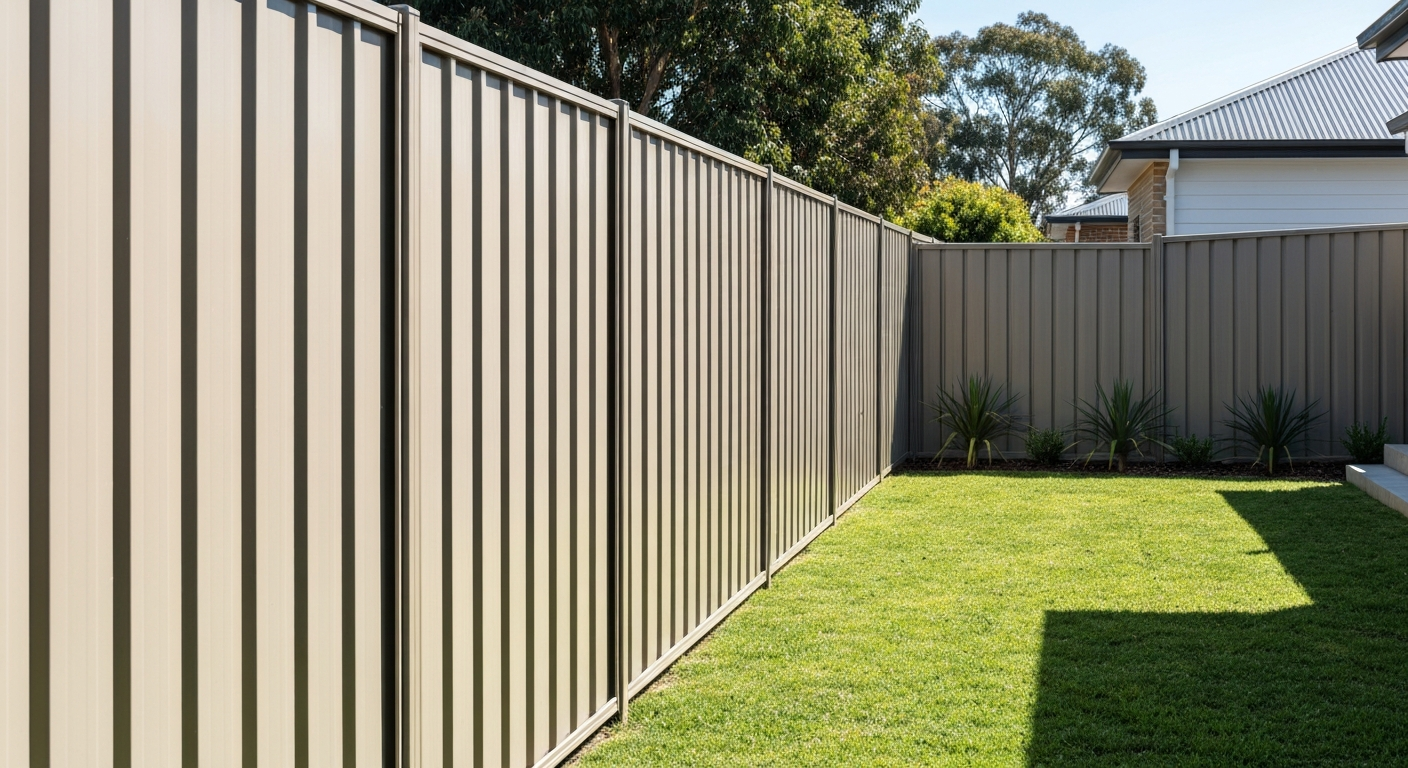
Another challenging instance: acquired junk. If the next-door neighbor's fence is crooked, falling short, or three styles patched with each other like a denim patchwork, do not marry it. Build a clean, self-contained run with its own gates and terminations. Offer to help them change theirs later on, yet do not connect your guarantee to someone else's problem.
Pets drive selections also. A dog that digs will locate that 2-inch gap at a grade adjustment. Mount a buried apron of cord mesh or a treated toe board along the match zone. If the next-door neighbor has a climber, avoid straight components their side can use as a ladder. That can alter rail format at the last panel or more. Clarify the selection so it does not look like you missed out on the suit. You made a security call.
Hiring the appropriate pro for a suit job
Not all Fence Contractors love match work. Some choose clean slates where every information is under their control. You desire a Fence Company that smiles when you state "connect right into the neighbor's fencing." They will certainly talk in specifics, not generalizations, and they will invite a site walk with you and the next-door neighbor if possible.
Ask to see two or three past jobs where they combined styles or matched existing runs. A competent fencing installer will certainly direct at tiny informs - rail disclose, top alignment, discolor timing - and discuss why they matter. That focus shows they will certainly treat your line with care.
Big box below crews can do fine job, but a local Fencing company with a track record to protect will certainly typically go the extra mile on small yet important things like cap swaps, rail shims, and tarnish examples. Price issues, but experience with match jobs matters more.
A few area stories that taught me respect for small details
We matched a 90-foot cedar line in early spring. The neighbor's fence had actually silvered, ours was new. We talked the neighbor right into letting us wash and tone their first 2 panels. Afterward, the seam disappeared. Six months later, both sides sweetened together, and even I had to count articles to find the join.
On a high whole lot, we mirrored the next-door neighbor's stepped ornamental panels. The mathematics said 3 steps. The eye stated four. We buffooned up with blocks and took 10 speeds back and sideways. Four actions reviewed cleaner versus the grade. That task educated me to trust the view, not just the calculator.
A chain web link linkup as soon as fell short every test until we swapped a top rail coupling for a sleeve with a smaller sized profile. The whole horizon ravelled, and the joint stopped screaming. Six bucks in equipment purchased the consistency we needed.
The payback for doing it right
Matching neighboring fencings is not about ego or winning an argument with a catalog. It is about reading the website, seeing what currently functions, and adding your chapter to the tale with regard. When the posts plumb true, the rails bring a tidy line, the color sits simple across both sides, and evictions turn with the exact same confidence, you feel it in your breast a little. The backyard takes a breath deeper. The next-door neighbors nod. And every time you step outside, you know you built something that belongs.
If you want help analyzing the challenge at your home line, lean on a seasoned Fencing Contractor who has seen the side cases and solved them with craft. Matching is a little adventure. Walk the line, take good notes, choose with treatment, and appreciate the silent contentment of a fencing that appears like it grew there.